- 0
- 1.948 word
Small, consistent changes to the way you eat after 40 can dramatically reduce your risk of chronic disease, boost your energy, and help you feel your best for decades to come.
When David turned 44, he noticed something frustrating: he was eating roughly the same foods he had in his 30s, but his waistline kept creeping up, his energy crashed every afternoon, and his doctor had just flagged his cholesterol as “borderline high.” He hadn’t changed much — but his body had.
This is a story many adults recognize. After 40, your metabolism, hormone levels, digestive efficiency, and nutritional needs all shift in ways that make yesterday’s eating habits less effective — or even quietly harmful. According to the National Institutes of Health, adults over 40 face a measurably higher risk of developing type 2 diabetes, cardiovascular disease, and obesity-related conditions, with diet playing a central role in prevention.
The good news? You don’t need a dramatic overhaul. Research consistently shows that targeted, sustainable changes to your daily eating habits can make a profound difference in your long-term health. In this guide, you’ll learn exactly what shifts to make, why they matter after 40, and how to build them into your real life — without giving up the foods you love.
Why Nutrition Needs Change After 40
If you feel like your body is playing by a different set of rules than it did at 30, you’re not imagining it. Several biological changes converge around midlife that directly affect how your body processes food.
First, your metabolism slows. Research published through the NIH found that metabolic rate begins declining more noticeably around the mid-40s, partly because most adults naturally lose muscle mass — a process called sarcopenia — at a rate of about 3–5% per decade after 30. Since muscle burns more calories than fat at rest, less muscle means fewer calories burned throughout the day.
Second, hormonal shifts change how your body stores fat and regulates blood sugar. For women approaching perimenopause and menopause, declining estrogen levels often redirect fat storage toward the abdomen. For men, gradually falling testosterone can contribute to similar changes. Both patterns are linked to increased cardiovascular and metabolic risk, according to the American Heart Association.
Third, your gut changes. Digestive enzyme production may slow, and the diversity of your gut microbiome — the ecosystem of bacteria that supports digestion, immunity, and even mood — tends to decline with age unless actively supported through diet.
Understanding these changes isn’t about accepting decline. It’s about eating smarter to stay ahead of them.
Key Nutrients You Need More Of After 40
Not all nutrients age the same way. After 40, your body may need more of certain key nutrients — and less of others. Knowing which is which helps you prioritize without overthinking every meal.
Protein: Many adults over 40 don’t eat enough protein to offset the muscle loss that comes with aging. The Mayo Clinic recommends that older adults aim for 1.0 to 1.2 grams of protein per kilogram of body weight daily — higher than the general recommendation of 0.8 grams. Good sources include eggs, lean poultry, fish, Greek yogurt, legumes, and tofu.
Calcium and Vitamin D: After 40, bone density begins declining. The NIH recommends 1,000 mg of calcium daily for men aged 40–70 and 1,200 mg for women over 50. Vitamin D is essential for calcium absorption, and many Americans — particularly those over 40 — are deficient. Fatty fish, fortified dairy or plant milks, and eggs are helpful dietary sources.
Fiber: Most American adults consume only about 15 grams of fiber per day, well below the recommended 25–38 grams, according to the CDC. After 40, adequate fiber becomes even more important for blood sugar regulation, cholesterol management, and gut health. Vegetables, beans, lentils, oats, and berries are excellent sources.
Omega-3 Fatty Acids: Research from Harvard Health Publishing links higher omega-3 intake to reduced cardiovascular inflammation — a growing concern after 40. Fatty fish like salmon, sardines, and mackerel are the most bioavailable sources; walnuts and flaxseed offer plant-based options.
B12: Absorption of vitamin B12 often declines with age due to reduced stomach acid production. B12 is critical for nerve function and energy metabolism. Adults over 50 are particularly encouraged to consume fortified foods or consider supplementation after discussing it with their doctor.
Eating Patterns That Support Healthy Aging
Beyond specific nutrients, the overall pattern of how and what you eat matters enormously. Research consistently points to a few dietary approaches as especially effective for midlife and older adults.
The Mediterranean-style diet is among the most studied eating patterns for adults over 40. It emphasizes vegetables, fruits, whole grains, legumes, healthy fats (especially olive oil), and moderate amounts of fish and poultry, while limiting red meat, ultra-processed foods, and added sugars. The American Heart Association reports that following a Mediterranean-style diet is associated with a significantly lower risk of cardiovascular events, including heart attack and stroke.
Reducing ultra-processed foods is one of the most impactful steps you can take. A large observational study referenced by NIH found that adults who consumed the most ultra-processed foods had a notably higher risk of type 2 diabetes, depression, and cardiovascular disease. These foods — think packaged snacks, fast food, sugary drinks, and processed deli meats — tend to be calorie-dense and nutrient-poor.
Meal timing and portion awareness also matter more after 40. Many physicians recommend eating your largest meals earlier in the day when your insulin sensitivity is higher, and avoiding heavy meals within two to three hours of bedtime. Slowing down during meals — eating without screens, chewing thoroughly — supports better satiety signals and digestion.
If you’re also managing blood sugar or weight, you may want to explore strategies covered in our guide on Type 2 Diabetes Management: What You Can Do Today, which complements many of the eating strategies discussed here.
Practical Daily Habits You Can Start This Week
Knowing what to eat is one thing. Building it into your actual day is another. Here are evidence-informed habits that work in the real world:
- Start meals with vegetables or protein. Eating fiber and protein first helps blunt blood sugar spikes and keeps you fuller longer. A simple swap: begin dinner with a salad or a few bites of chicken before reaching for bread or starchy sides.
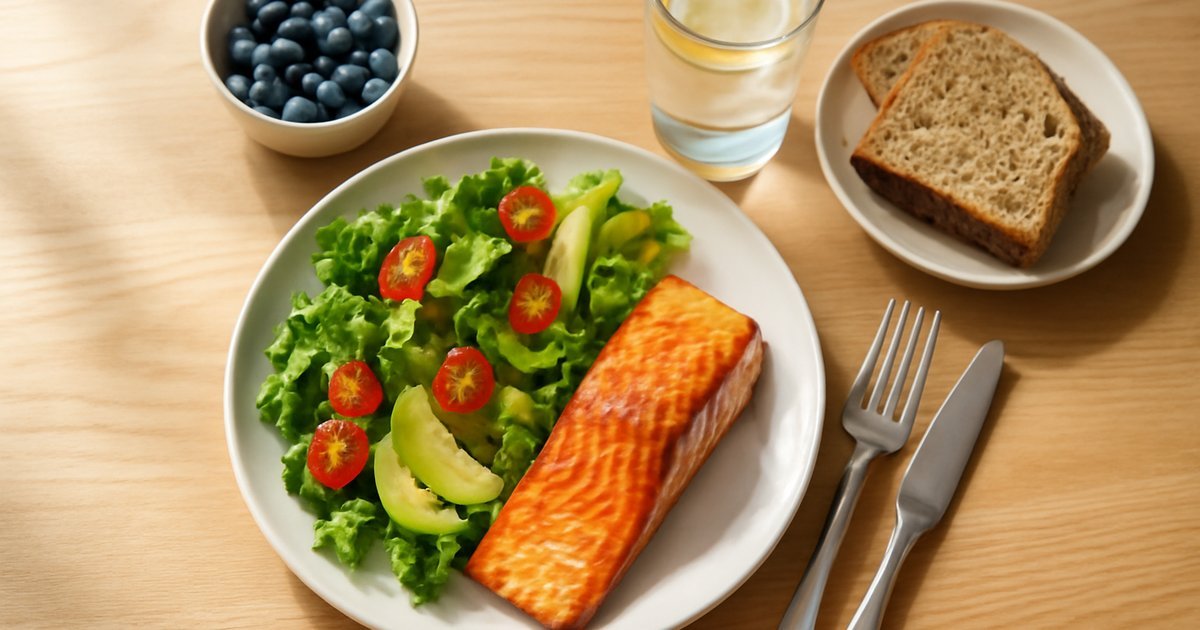
- Eat at least two servings of fatty fish per week. The American Heart Association recommends this as a baseline for cardiovascular protection. If fish isn’t appealing, talk to your doctor about omega-3 supplementation.
- Drink water before meals. Research suggests drinking 16 ounces of water before meals may reduce calorie intake and support digestive function. Many adults also confuse mild dehydration with hunger.
- Swap refined grains for whole grains. Brown rice instead of white, whole-grain bread instead of white, oats instead of boxed cereal. This single change can meaningfully improve blood sugar control and cholesterol over time.
- Include a protein source at every meal. This supports muscle maintenance, stabilizes blood sugar, and reduces cravings throughout the day.
- Limit added sugar to under 25–36 grams daily. The American Heart Association recommends no more than 25 grams for women and 36 grams for men. Read nutrition labels carefully — added sugar hides in sauces, yogurt, granola bars, and even bread.
- Cook at home more often. Studies referenced by Harvard Health Publishing consistently show that people who cook at home consume fewer calories and less sodium and saturated fat than those who eat out frequently. Even two or three additional home-cooked meals per week makes a measurable difference.
Pairing good nutrition with consistent movement enhances all of these benefits. Our article on Healthy Weight Management: Daily Habits That Actually Work offers practical strategies for combining diet and activity effectively.
When to See a Doctor or Registered Dietitian
Healthy eating habits are powerful — but they work best when combined with professional guidance, especially if you have existing health conditions or a family history of chronic disease.
Consider scheduling a conversation with your doctor or a registered dietitian (RD) if you notice any of the following:
- Unexplained weight gain or loss despite no major dietary changes
- Persistent fatigue, brain fog, or mood changes that may signal nutritional deficiencies
- Elevated cholesterol, blood pressure, or blood sugar at your annual checkup
- Digestive symptoms that worsen after eating certain foods
- A new diagnosis of prediabetes, cardiovascular disease, or an autoimmune condition
At your appointment, ask about having your vitamin D, B12, iron, and fasting glucose levels checked. These are standard blood tests that can reveal gaps in your nutrition before they become serious problems.
A registered dietitian can create a personalized eating plan that accounts for your specific health history, medications, and goals — something that generic advice simply cannot do. Many insurance plans and Medicare Advantage plans now cover medical nutrition therapy with an RD for qualifying conditions, so it’s worth checking your benefits.
It’s also worth reviewing your morning routine for opportunities to support your nutrition goals. Our guide on Healthy Morning Routines That Transform Your Day After 40 includes practical tips for starting your day with energy and intention.
Frequently Asked Questions
Is it too late to change my eating habits after 40?
Absolutely not. Research consistently shows that dietary improvements at any age yield meaningful health benefits. Adults who adopt healthier eating patterns in their 40s and 50s show measurable reductions in cardiovascular disease risk, blood sugar, and inflammation within months. It’s never too late to start.
Do I need to take supplements if I eat well after 40?
Not necessarily, but certain nutrients become harder to get from food alone as you age. Vitamin D, B12, and calcium are the most common gaps for adults over 40. Always discuss supplementation with your doctor before starting, since some supplements interact with medications or are unnecessary if your levels are normal.
Should I eat less as I get older to manage my weight?
Not exactly. The goal is to eat smarter, not necessarily less. Prioritizing protein, fiber, and nutrient-dense whole foods while reducing ultra-processed foods typically helps with weight management without severe calorie restriction, which can accelerate muscle loss and nutrient deficiencies.
How does alcohol affect nutrition after 40?
Alcohol becomes harder for the body to metabolize with age. It adds empty calories, disrupts sleep quality, interferes with B vitamin absorption, and raises triglycerides. The CDC recommends that adults who drink do so in moderation — up to one drink per day for women and up to two for men — and many physicians suggest reducing intake further as you age.
What’s the single most impactful dietary change for adults over 40?
Most nutrition experts point to reducing ultra-processed food intake as the highest-leverage change. These foods drive inflammation, blood sugar instability, and weight gain. Replacing even a portion of them with whole, minimally processed foods can produce noticeable improvements in energy, weight, and metabolic markers.
Key Takeaways
Your nutritional needs genuinely change after 40 — and recognizing that early is an advantage, not a limitation. By prioritizing protein, fiber, healthy fats, and key micronutrients like vitamin D and B12, while reducing ultra-processed foods and added sugars, you give your body the tools it needs to stay strong, energized, and resilient.
You don’t need a perfect diet. You need a consistent one — built on small, evidence-based habits you can maintain for life. Start with one or two changes this week, build from there, and don’t hesitate to bring your doctor or a registered dietitian into the conversation. The investment you make in your nutrition now is one of the most powerful things you can do for your health in the decades ahead.
This article is for informational and educational purposes only and does not constitute medical advice, diagnosis, or treatment. Always consult a qualified healthcare professional before making any health-related decisions or changing your treatment plan.
Reviewed by the Healthy Care Today Editorial Team — a group of health writers committed to evidence-based wellness content for everyday Americans.
Autor

negociosnanet001@gmail.com
Posts relacionados

Healthy Morning Routines That Transform Your Day After 40
- 0
- 2.291 words
Small morning habits can have a powerful ripple effect on your energy, mood, and long-term health — here’s what the science says...

Social Health After 40: Habits That Boost Well-Being
- 0
- 2.103 words
Your social life isn’t just good for your mood — it may be one of the most powerful things you can do...

Healthy Weight Management: Daily Habits That Actually Work
- 0
- 2.046 words
Small, consistent daily habits — not extreme diets — are what research consistently shows leads to lasting, healthy weight management. When David,...

Healthy Skin After 40: Daily Habits for a Glowing Complexion
- 0
- 2.186 words
Your skin changes as you age — but with the right daily habits, you can keep it healthy, resilient, and genuinely glowing...

Natural Ways to Keep Blood Sugar Balanced Daily
- 0
- 2.359 words
Simple, evidence-based lifestyle habits that help you maintain healthy blood sugar levels — and why starting now matters more than you think....

Stay Active Without the Gym: Daily Movement for Healthy Aging
- 0
- 2.006 words
You don’t need a gym membership, expensive equipment, or an hour of free time to stay active — and science backs that...