- 0
- 1.533 word
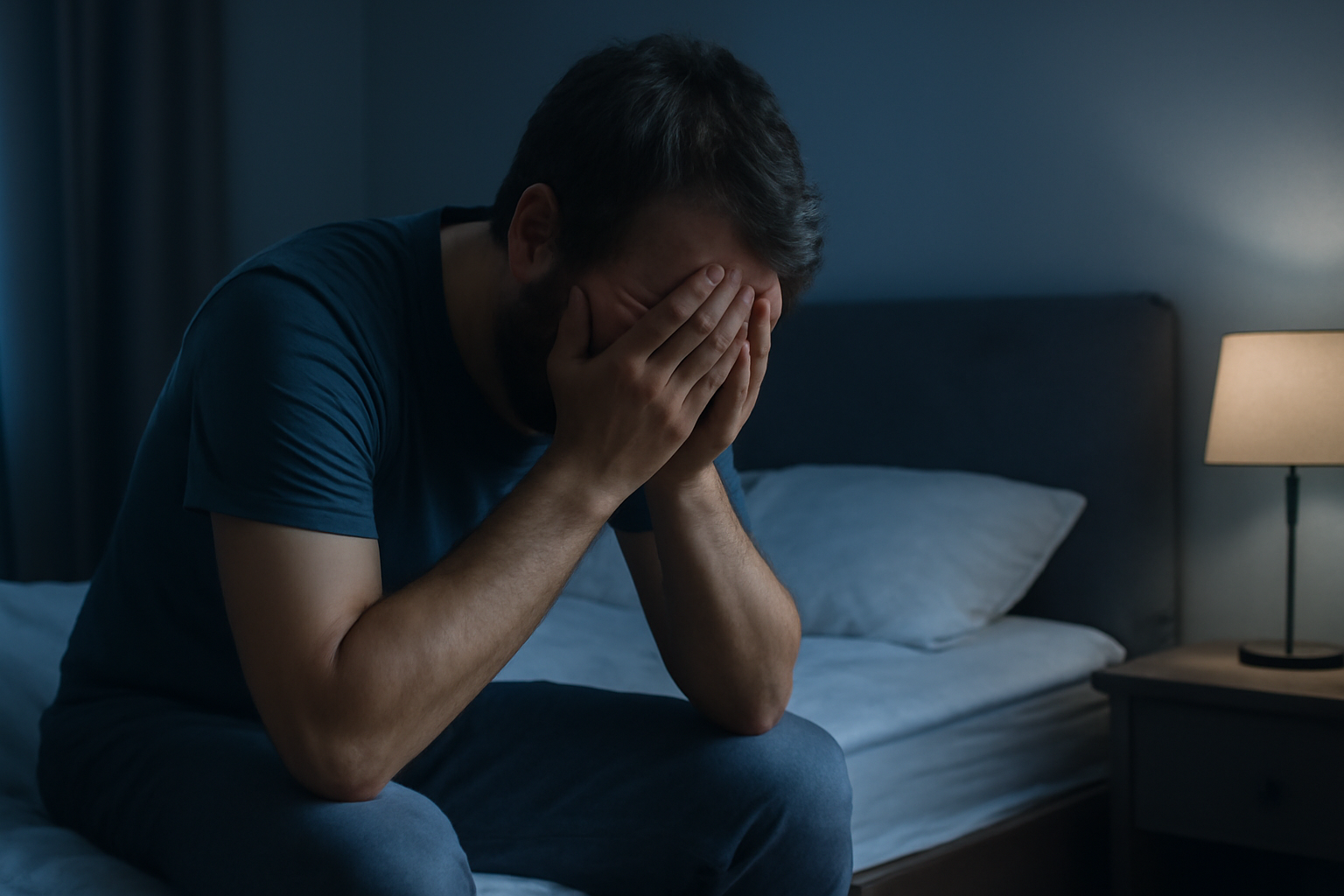
You already know that a bad night’s sleep leaves you feeling groggy and irritable. But if poor sleep is happening night after night, the effects go far deeper than just feeling tired. Research consistently shows that chronic sleep deprivation is one of the most underestimated threats to your mental health — and millions of American adults are living proof of that connection every single day.
According to the CDC, more than one in three American adults regularly don’t get enough sleep. That’s not just a minor inconvenience. Sleep is when your brain processes emotions, consolidates memories, and essentially resets itself. When that process is cut short, your mental and emotional health pays the price.
The Brain-Sleep Connection: Why Rest Is Non-Negotiable
Your brain doesn’t simply “turn off” when you sleep. During those hours, it’s actively doing critical maintenance work. The glymphatic system — a kind of brain-cleaning mechanism — flushes out waste products, including proteins linked to neurological disorders. Emotional memories get processed, and stress hormones like cortisol are regulated.
When you don’t sleep enough, these processes are interrupted. Studies from the NIH indicate that even one night of significant sleep loss can increase emotional reactivity by up to 60%, making you more likely to overreact to minor stressors. Imagine running that deficit for weeks or months.
The relationship between sleep and mental health is also bidirectional — meaning poor sleep can worsen mental health conditions, and mental health struggles can make it harder to sleep. Understanding this cycle is the first step toward breaking it.
How Sleep Deprivation Triggers Anxiety and Depression
If you’ve noticed your anxiety seems worse after several poor nights of sleep, you’re not imagining it. Research published by Harvard Health suggests that sleep deprivation significantly amplifies activity in the brain’s amygdala — the region responsible for processing fear and threat responses — while weakening the prefrontal cortex’s ability to regulate those responses rationally.
In simple terms: your brain becomes more reactive and less capable of calming itself down. This is a recipe for heightened anxiety, panic, and emotional instability.
Depression and Disrupted Sleep Cycles
The link between sleep deprivation and depression is equally well-documented. People with insomnia are estimated to be ten times more likely to develop clinical depression than those who sleep well, according to research summarized by the Mayo Clinic. Disrupted REM sleep — the dream stage critical for emotional processing — appears to be particularly harmful.
Low serotonin and dopamine levels, both of which influence mood, are directly impacted by insufficient sleep. Many people don’t realize that their persistent low mood or emotional flatness might partly be driven by years of inadequate rest, not just life circumstances or brain chemistry alone.
Signs That Sleep Deprivation Is Hurting Your Mental Health
You may be dealing with sleep-related mental health impacts if you regularly notice the following:
- Mood swings and irritability — snapping at people over minor issues or feeling emotionally volatile
- Brain fog and poor concentration — struggling to focus, make decisions, or remember things
- Increased anxiety or worry — especially in the evening or upon waking
- Feeling emotionally numb or detached — losing interest in things that normally bring you joy
- Heightened stress sensitivity — small problems feel overwhelming
- Intrusive or racing thoughts at bedtime — your brain won’t “switch off” when you lie down
If several of these sound familiar, it’s worth taking your sleep quality seriously as a mental health issue — not just a lifestyle inconvenience.
Chronic Sleep Deprivation and Serious Mental Health Conditions
For most people, occasional poor sleep is a nuisance. But when sleep deprivation becomes chronic — lasting weeks, months, or years — the risk of developing or worsening serious psychiatric conditions increases meaningfully.
Bipolar Disorder and Sleep
Research suggests that disrupted sleep is both a symptom and a trigger of bipolar episodes. Many individuals with bipolar disorder report that sleep disturbances often precede manic or depressive episodes by days. Maintaining consistent sleep patterns is now considered a cornerstone of bipolar disorder management by many psychiatrists.
PTSD and Nighttime Disruption
Post-traumatic stress disorder frequently involves sleep disruption through nightmares, hypervigilance, and insomnia. Poor sleep in PTSD doesn’t just reduce rest — it actively prevents emotional processing of traumatic memories that normally occurs during REM sleep, which can perpetuate the disorder’s symptoms over time.
Cognitive Decline Risk
Emerging research from the NIH points to a connection between long-term sleep deprivation and an increased risk of cognitive decline later in life. While more research is ongoing, many neurologists now emphasize consistent, quality sleep as a meaningful component of brain health and dementia prevention strategies.
What’s Disrupting Your Sleep? Common Culprits to Know
Before you can fix your sleep, it helps to understand what’s getting in the way. Some of the most common sleep disruptors for adults include:
- Stress and unresolved anxiety — a racing mind at bedtime is one of the most reported sleep barriers (see our guide on Anxiety and Sleep: Why You Can’t Rest and How to Fix It)
- Inconsistent sleep schedules — going to bed and waking at different times throws off your circadian rhythm
- Screen exposure before bed — blue light from phones and televisions suppresses melatonin production
- Caffeine and alcohol — both interfere with sleep architecture, especially in the second half of the night
- Undiagnosed sleep disorders — sleep apnea, restless leg syndrome, and insomnia disorder are often untreated
- Medications — certain antidepressants, blood pressure medications, and corticosteroids can interfere with sleep
Evidence-Based Strategies to Improve Sleep and Protect Your Mental Health
The good news is that sleep quality is something you can meaningfully improve with consistent effort. Many of the most effective strategies are behavioral — meaning no prescription required.
1. Anchor Your Sleep Schedule
Going to bed and waking up at the same time every day — yes, including weekends — is one of the single most effective things you can do for sleep quality. Your circadian rhythm thrives on consistency. Even one or two hours of variation on weekends (called “social jet lag”) can undermine sleep quality during the week.
2. Create a Wind-Down Ritual
Your brain needs a transition period between the demands of the day and sleep. A 30-to-60-minute wind-down routine might include dim lighting, gentle stretching, reading a physical book, or a warm shower. Consistent pre-sleep rituals signal your nervous system that it’s safe to relax. You can find more ideas in our article on Healthy Morning Routines That Transform Your Day, which includes habits that reinforce your sleep-wake cycle from the other end.
3. Address Anxiety Directly
If anxiety is keeping you awake, relaxation techniques like diaphragmatic breathing, progressive muscle relaxation, or mindfulness meditation have solid research support. Cognitive Behavioral Therapy for Insomnia (CBT-I) is considered the gold-standard treatment for chronic insomnia by sleep specialists — often more effective than sleep medications for long-term results.
4. Limit Stimulants and Screen Time
Many doctors recommend cutting off caffeine by early afternoon and avoiding screens for at least 30-60 minutes before bed. If you must use screens, blue light filtering glasses or app-based night modes can help reduce melatonin suppression.
5. Evaluate Your Sleep Environment
Research suggests that a cool, dark, and quiet room significantly improves sleep quality. A room temperature around 65-68°F is commonly cited as optimal for most adults. Blackout curtains, white noise machines, and removing electronics from the bedroom can all make a meaningful difference.
6. Consider Whether Lifestyle Habits Support Sleep
Regular physical activity, a diet that isn’t too heavy in the evenings, and consistent stress management practices all contribute to better sleep architecture. Building these habits gradually is key — read more about sustainable approaches in How to Build Healthy Habits That Actually Stick.
When to Talk to a Doctor About Sleep and Mental Health
If your sleep problems have persisted for more than a few weeks, or if you’re experiencing significant mood changes, persistent anxiety, or depressive symptoms alongside poor sleep, it’s time to speak with your healthcare provider. Don’t wait until you’re in crisis.
Your doctor can help rule out underlying conditions like sleep apnea or thyroid disorders, review medications that might be disrupting sleep, and refer you to a sleep specialist or mental health professional if needed. CBT-I therapists and psychiatrists can work together on cases where sleep and mental health issues are closely intertwined.
There’s no need to white-knuckle your way through exhaustion. Sleep is a legitimate medical concern, and seeking help for it is one of the most proactive things you can do for your overall health.
The Bottom Line
Sleep deprivation and mental health are deeply connected in ways that most people underestimate. Chronic poor sleep doesn’t just make you tired — it reshapes how your brain regulates emotion, responds to stress, and maintains psychological stability. The encouraging truth is that improving your sleep is one of the most powerful levers you have for supporting your mental well-being.
Start with one or two changes this week. Consistency over time — not perfection overnight — is what makes the difference.
This article is for informational purposes only and does not constitute medical advice. Always consult a qualified healthcare professional before making health decisions.
Reviewed by a licensed health and wellness content specialist with a focus on sleep medicine and mental health education.
Autor

negociosnanet001@gmail.com
Posts relacionados

Anxiety and Sleep: Why Worry Keeps You Awake at Night
- 0
- 2.361 words
If racing thoughts and a pounding heart have ever kept you staring at the ceiling past midnight, you already know the exhausting...

Sleep and Grief: How Loss Disrupts Rest and How to Heal
- 0
- 2.579 words
Losing someone you love changes everything — including how you sleep. Here’s what grief does to your body at night, and what...
PTSD and Sleep: How Trauma Disrupts Rest and Recovery
- 0
- 2.231 words
Trauma doesn’t stay in the past — for millions of Americans, it follows them to bed every night, stealing the rest their...

Mindfulness for Sleep: How It Works and What to Try
- 0
- 2.171 words
A practical, evidence-based guide to using mindfulness to quiet your mind, reduce nighttime anxiety, and finally get the rest your body needs....

Sleep After 40: Why It Changes and How to Sleep Better
- 0
- 2.316 words
Sleep used to come easily — now it takes longer to fall asleep, you wake at 3 a.m. for no clear reason,...
Sleep and Emotional Regulation: How Rest Builds Resilience
- 0
- 2.045 words
Your ability to manage stress, stay calm under pressure, and bounce back from setbacks may have more to do with your sleep...