- 0
- 2.193 words
If you feel too tired to sleep, too wired to relax, and too overwhelmed to function — burnout may be quietly wrecking your mental health and your nights.
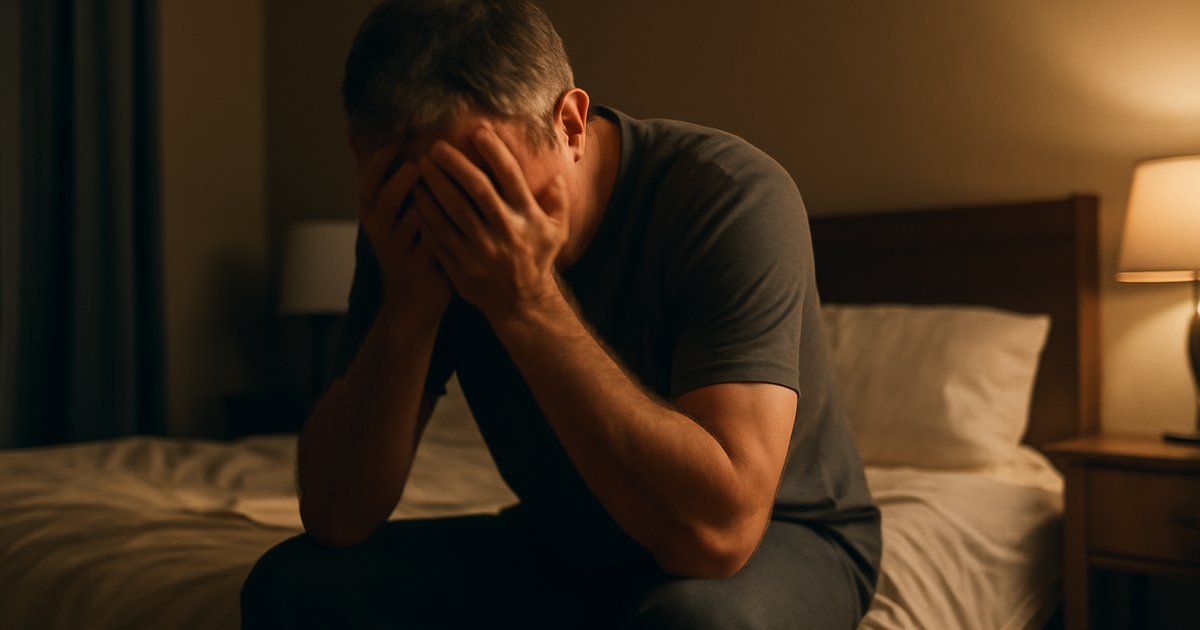
James, 47, had been pushing hard for years. A demanding job, a busy household, and the constant hum of notifications left him running on fumes. Then one night, despite being utterly exhausted, he lay in bed staring at the ceiling for three hours. His body was depleted, but his mind would not stop. Sleep, which used to come easily, had become a battleground.
Sound familiar? You are not alone — and you are not imagining it.
Burnout affects millions of American adults, and one of its most damaging — yet least discussed — consequences is its brutal impact on sleep quality and mental health. According to the American Institute of Stress, chronic workplace stress affects roughly 83% of US workers, and adults aged 35 to 65 are among the hardest hit.
In this article, you will learn exactly what burnout does to your brain and body at night, why it creates a vicious cycle with your mental health, and what evidence-based steps you can take to start breaking free.
What Is Burnout — and Why Is It Different from Ordinary Stress?
Burnout is not just "having a bad week." The World Health Organization officially classifies it as an occupational phenomenon characterized by three core dimensions: overwhelming exhaustion, growing cynicism or mental distance from your responsibilities, and a reduced sense of personal effectiveness.
Unlike everyday stress, which tends to ease when the stressor goes away, burnout is cumulative. It builds silently over months or even years of chronic overload without enough recovery time. By the time most people recognize it, burnout has already embedded itself into their nervous system.
According to the National Institute of Mental Health, burnout significantly overlaps with anxiety and depression, making it a serious mental health concern — not just a career problem. Research suggests that between 40% and 67% of physicians experience burnout symptoms, but the condition is equally prevalent among teachers, caregivers, parents, and professionals in virtually every sector.
Here is what makes burnout particularly insidious for sleep: it keeps your stress response system — the hypothalamic-pituitary-adrenal (HPA) axis, which controls your cortisol levels — stuck in overdrive. That means even when you are bone-tired, your body may not be able to shift into the calm, low-cortisol state it needs to fall and stay asleep.
How Burnout Disrupts Sleep: The Biology Behind the Sleeplessness
When you experience burnout, your brain and body undergo a series of physiological changes that directly sabotage sleep. Understanding this process can help you stop blaming yourself for not "just relaxing."
- Elevated cortisol at night: Normally, cortisol — your primary stress hormone — peaks in the morning and drops low by bedtime. Burnout disrupts this rhythm. Research published through the NIH suggests that individuals with chronic stress show flattened cortisol patterns, meaning cortisol stays inappropriately high in the evening, making it nearly impossible to wind down.
- Hyperarousal of the nervous system: Burnout activates the sympathetic nervous system (the "fight or flight" branch) chronically. This state is incompatible with sleep, which requires the parasympathetic nervous system (the "rest and digest" branch) to take over.
- Reduced slow-wave and REM sleep: Studies indicate that chronic stress suppresses the deepest, most restorative stages of sleep. You may spend eight hours in bed but feel completely unrefreshed because you are not reaching the sleep stages where physical repair and emotional processing actually happen.
- Racing thoughts and hypervigilance: The burned-out brain often cannot stop analyzing, worrying, or rehearsing problems — even at midnight. This cognitive hyperarousal is one of the most common complaints among people with burnout-related sleep disruption.
- Disrupted melatonin production: Chronic stress and irregular schedules — common in burnout — can suppress melatonin secretion, further throwing off the body's internal clock (circadian rhythm).
A study cited by Harvard Health Publishing found that individuals reporting high job demands and low control — a classic burnout setup — were significantly more likely to develop insomnia symptoms than their less-stressed peers.
For more on how this interplay works at a hormonal level, see our in-depth article on Sleep and Hormone Health: How Poor Sleep Disrupts Balance.
The Mental Health Consequences of Burnout-Related Sleep Loss
Here is where the cycle becomes especially dangerous: poor sleep does not just result from burnout — it actively makes burnout worse, and it destabilizes your mental health in measurable ways.
According to the CDC, adults who sleep fewer than seven hours a night are significantly more likely to report symptoms of anxiety, depression, and psychological distress. For someone already experiencing burnout, this creates a compounding feedback loop that is very difficult to escape without intentional intervention.
Specific mental health consequences of burnout-disrupted sleep include:
- Emotional dysregulation: Sleep deprivation amplifies the brain's emotional reactivity. The amygdala — the brain's alarm center — becomes up to 60% more reactive when you are sleep-deprived, according to research highlighted by the NIH. This means minor frustrations feel catastrophic and patience evaporates.
- Cognitive impairment: Decision-making, memory consolidation, and problem-solving all suffer. For adults in demanding professional or caregiving roles, this can seriously affect performance and self-confidence — feeding the burnout further.
- Increased risk of clinical depression: The American Psychological Association notes that chronic sleep disruption is both a symptom and a cause of major depressive disorder. Burnout that goes unaddressed can transition into clinical depression, particularly if sleep loss persists for months.
- Social withdrawal: Exhausted and emotionally raw, many burned-out adults pull back from relationships — the very social connections that research consistently identifies as protective for mental health.
- Loss of identity and purpose: Burnout strips away your sense of meaning and accomplishment. Combined with the cognitive fog of poor sleep, it can leave you feeling disconnected from who you are.
This is the cruel irony of burnout: the harder you push, the less effective your brain becomes, and the worse your sleep gets — which makes everything harder still.
Evidence-Based Strategies to Break the Burnout-Sleep Cycle
The good news is that both burnout and its effects on sleep respond well to targeted, consistent intervention. You do not have to overhaul your entire life overnight — but you do need to be deliberate.
1. Protect and Ritualize Your Wind-Down Window
Many physicians recommend creating a 30-to-60-minute wind-down buffer before bed that is completely free of work, news, and screens. Research suggests that blue light from devices suppresses melatonin production, and the mental stimulation of emails or social media keeps your nervous system activated. Replace that time with dim lighting, light reading, gentle stretching, or a warm shower.
2. Practice Cognitive Behavioral Therapy Techniques for Insomnia (CBT-I)
CBT-I is the gold-standard, non-medication treatment for chronic insomnia endorsed by the American Academy of Sleep Medicine. It works by challenging the negative thought patterns and behaviors that perpetuate sleeplessness. Techniques include stimulus control (using your bed only for sleep), sleep restriction therapy, and cognitive restructuring of anxiety-driven thoughts about sleep. Many CBT-I programs are now available digitally, making them accessible without a clinic visit.
3. Set Hard Boundaries Around Work Hours
Burnout recovery requires structural change, not just better coping. According to the Mayo Clinic, identifying the stressors you can control — and establishing clear work-life boundaries — is a foundational step in burnout recovery. This might mean no work email after 6 p.m., designating specific days as screen-free, or talking with a supervisor about workload redistribution.
4. Move Your Body — But Time It Right
Regular physical activity is one of the most consistently supported interventions for both burnout and sleep quality. The American Heart Association recommends at least 150 minutes of moderate-intensity exercise per week for adults. Studies indicate that morning or early afternoon exercise tends to improve sleep the most, while vigorous activity within two to three hours of bedtime can delay sleep onset in some individuals.
5. Address the Mental Health Component Directly
If burnout has progressed into anxiety or depression, lifestyle changes alone may not be sufficient. Therapy — particularly Cognitive Behavioral Therapy and Acceptance and Commitment Therapy — has strong evidence behind it for burnout-related mental health challenges. According to the American Psychological Association, therapy combined with lifestyle modification produces better outcomes than either approach alone.
You might also find it helpful to explore our article on Anxiety and Sleep: Why Worry Keeps You Awake at Night for additional strategies that address the mental loop that keeps many burned-out adults awake.
6. Reclaim Morning Structure as a Recovery Tool
Burnout often blurs the lines between rest and activity. Rebuilding a consistent morning routine — getting up at the same time daily, eating a nutritious breakfast, and spending even 10 minutes outside in natural light — helps reset your circadian rhythm and signals to your body that recovery is underway. Our guide on Healthy Morning Routines That Transform Your Day After 40 offers practical starting points.
When to See a Doctor or Mental Health Professional
Burnout is not a diagnosis you can self-treat indefinitely. There are clear signals that it is time to seek professional help — and reaching out is a sign of strength, not weakness.
See your primary care provider if:
- You have had difficulty falling or staying asleep for more than three weeks despite lifestyle changes
- You are relying on alcohol or sleep aids nightly to get rest
- You are experiencing physical symptoms such as chest tightness, persistent headaches, or gastrointestinal issues you cannot explain
- Your fatigue is so severe it interferes with daily functioning
Seek mental health support urgently if:
- You are experiencing thoughts of hopelessness, worthlessness, or self-harm
- You have lost interest in things you once cared deeply about for more than two weeks
- Anxiety or panic attacks are occurring regularly
When you see your doctor, be specific. Mention how long you have been sleeping poorly, what your work and stress situation looks like, and any mood changes you have noticed. Ask about a referral to a sleep specialist or licensed therapist who works with burnout and occupational stress. You may also ask about sleep studies if your doctor suspects a disorder such as sleep apnea, which commonly co-occurs with chronic stress.
Remember: burnout that crosses into clinical depression or anxiety disorder typically requires professional treatment — and the earlier you get support, the better the outcomes, according to Johns Hopkins Medicine.
Frequently Asked Questions About Sleep and Burnout
Can burnout cause insomnia even when I am completely exhausted?
Yes — and this is one of its most confusing features. Burnout keeps your stress response activated even when your body is depleted, making it biologically difficult to fall or stay asleep despite extreme fatigue. This is sometimes called "tired but wired" syndrome, and it reflects genuine dysregulation of your cortisol and nervous system patterns.
How long does it take to recover from burnout-related sleep disruption?
Recovery timelines vary widely depending on how severe the burnout is, how early you intervene, and whether you address both the sleep and the stress components. Research suggests that mild-to-moderate burnout with targeted intervention can show meaningful improvement in sleep quality within four to eight weeks, while severe burnout may require several months of consistent effort and professional support.
Are sleep supplements like melatonin helpful for burnout-related sleep problems?
Melatonin may help reset a disrupted sleep schedule, but it is not a treatment for the underlying burnout. Many physicians note that melatonin works best for circadian rhythm issues (like shift work or jet lag) rather than for hyperarousal-driven insomnia. Always consult your doctor before starting any supplement, especially if you take other medications.
Is it possible to have burnout without a high-stress job?
Absolutely. Caregivers, parents of young children, people managing chronic illness, and those experiencing prolonged life stressors can all develop burnout. The common thread is chronic overextension without sufficient recovery — regardless of the source.
Does poor sleep cause burnout, or does burnout cause poor sleep?
Both are true, and that is what makes the cycle so difficult to interrupt. Research suggests they are bidirectional: sleep deprivation reduces your resilience to stress and lowers your emotional regulation capacity, which accelerates burnout progression — while burnout simultaneously wrecks your ability to sleep restorative hours.
Conclusion: Rest Is Not a Reward — It Is a Requirement
Burnout is not a badge of dedication. It is a signal that your system has been running on empty for too long — and your sleep is often the first casualty and the most powerful lever for recovery.
Understanding the biological connection between burnout and disrupted sleep helps you stop fighting yourself and start working with your body. Whether that means building a real wind-down routine, setting firmer work boundaries, exploring CBT-I, or reaching out to a mental health professional, every step you take matters.
You deserve rest that is genuinely restorative. And the road back to that kind of sleep — and that quality of mental health — begins with taking the connection between burnout and sleep seriously.
Always work with a qualified healthcare provider to find the approach that is right for your specific situation.
This article is for informational and educational purposes only and does not constitute medical advice, diagnosis, or treatment. Always consult a qualified healthcare professional before making any health-related decisions or changing your treatment plan.
Reviewed by the Healthy Care Today Editorial Team — a group of health writers committed to evidence-based wellness content for everyday Americans.
Autor

negociosnanet001@gmail.com
Posts relacionados

Sleep and ADHD: Why You Can’t Sleep and How to Fix It
- 0
- 2.131 words
If you lie awake for hours with a racing mind, then drag yourself through the day exhausted — ADHD and sleep may...
Leia tudo
Sleep and Depression: How Poor Sleep Fuels Low Mood
- 0
- 2.007 words
Understanding the two-way relationship between sleep and depression — and the evidence-based steps that can help you break the cycle. When James,...

Sleep and Stress: How Chronic Stress Steals Your Rest
- 0
- 2.314 words
When stress follows you to bed, real sleep becomes nearly impossible — but understanding why can help you finally break the cycle....
Leia tudo
Sleep and Loneliness: How Isolation Disrupts Your Rest
- 0
- 2.193 words
When social disconnection keeps you staring at the ceiling, your body — and your sleep — pay a real price. The Night...

Sleep and Hormone Health: How Poor Sleep Disrupts Balance
- 0
- 2.262 words
Poor sleep doesn’t just leave you tired — it quietly throws your hormones into chaos, affecting everything from your weight and mood...

Anxiety and Sleep: Why Worry Keeps You Awake at Night
- 0
- 2.361 words
If racing thoughts and a pounding heart have ever kept you staring at the ceiling past midnight, you already know the exhausting...