- 0
- 1.364 word
Why Chronic Inflammation Is Worth Taking Seriously
You may not feel it happening, but chronic low-grade inflammation is quietly linked to some of the most common health conditions affecting Americans today — including heart disease, type 2 diabetes, arthritis, and even depression. Unlike the redness and swelling you notice after a cut or injury, this kind of inflammation lingers in the background and can do real damage over time.
The good news? What you eat every single day has a powerful influence on your body’s inflammatory response. Research from institutions like the National Institutes of Health (NIH) consistently shows that dietary patterns play a major role in either promoting or reducing inflammation throughout the body.
This guide breaks down what an anti-inflammatory diet actually looks like in practice — no extreme cleanses, no expensive supplements required. Just practical, evidence-based eating habits you can start building today.
What Causes Chronic Inflammation in the First Place?
Your immune system triggers inflammation as a protective response. When you get sick or injured, inflammation helps your body heal. But when the immune system stays on high alert without a real threat, it begins to damage healthy tissue over time.
Several everyday factors can contribute to chronic inflammation:
- A diet high in ultra-processed foods, refined sugars, and trans fats
- Excess body weight, especially around the abdomen
- Chronic stress and poor sleep
- Sedentary lifestyle habits
- Smoking and excessive alcohol consumption
According to the CDC, six out of ten American adults live with at least one chronic disease, many of which are closely tied to lifestyle-driven inflammation. That’s why what you put on your plate three times a day genuinely matters.
Foods That Fight Inflammation Naturally
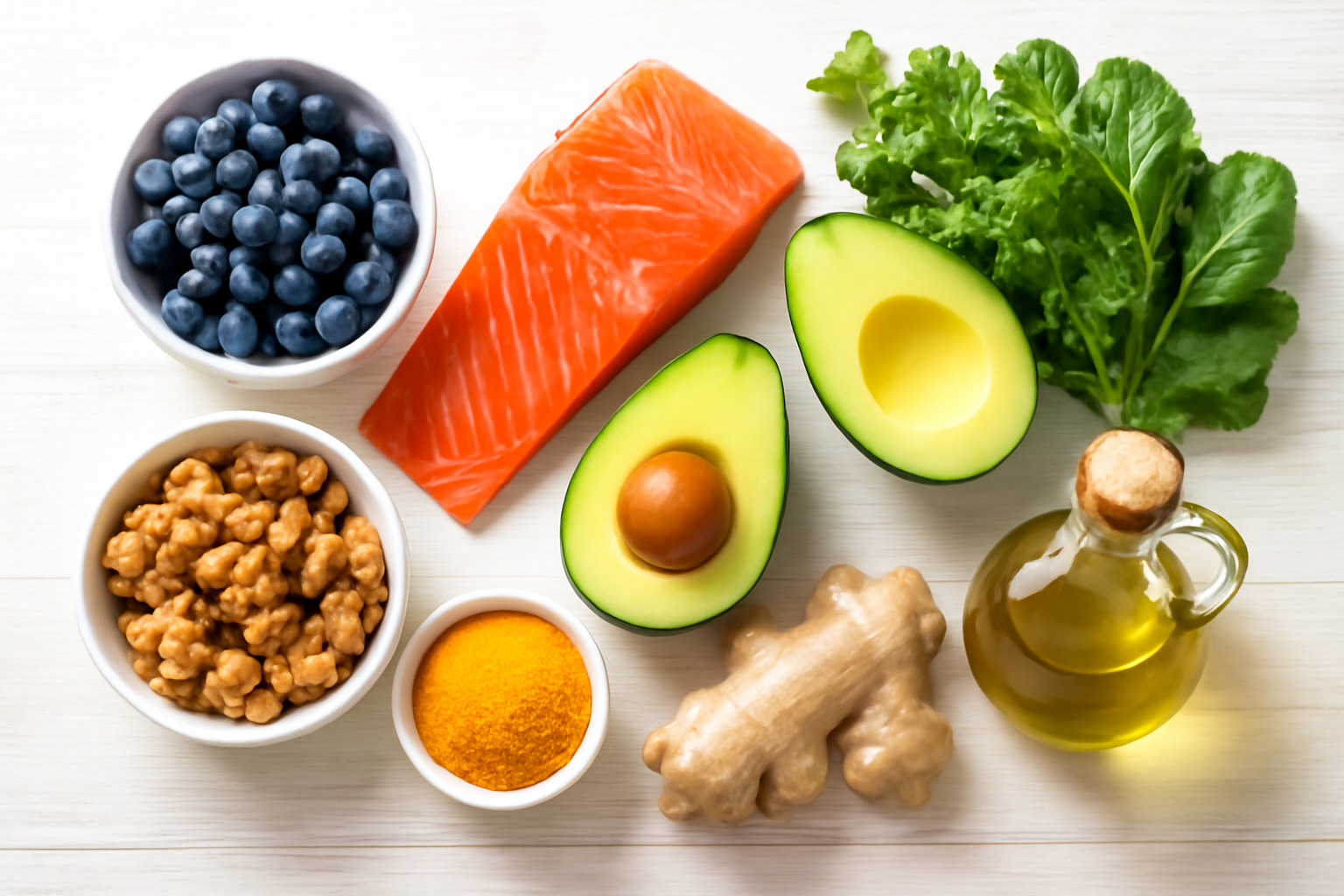
An anti-inflammatory diet isn’t a rigid meal plan — it’s a pattern of eating that emphasizes whole, nutrient-dense foods that support your body’s natural balance. Here are the key food groups worth focusing on.
Colorful Fruits and Vegetables
Plant foods are rich in antioxidants and phytonutrients — compounds that neutralize free radicals and calm inflammatory pathways in the body. The more variety and color on your plate, the better.
Top choices include:
- Berries (blueberries, strawberries, raspberries) — high in anthocyanins, which studies indicate reduce markers of inflammation
- Leafy greens (spinach, kale, Swiss chard) — packed with vitamins C, E, and K
- Cruciferous vegetables (broccoli, Brussels sprouts, cauliflower) — contain sulforaphane, a compound with anti-inflammatory properties
- Tomatoes — rich in lycopene, especially when cooked
- Cherries and pomegranates — linked in research to reduced joint inflammation
Healthy Fats and Omega-3 Fatty Acids
Not all fats are created equal. Omega-3 fatty acids — found in fatty fish, flaxseeds, and walnuts — are among the most well-studied nutrients for reducing inflammatory activity in the body.
Research published in journals reviewed by Harvard Health suggests that people who regularly eat fatty fish like salmon, sardines, or mackerel have lower levels of key inflammation markers like C-reactive protein (CRP).
Other beneficial fat sources include:
- Extra-virgin olive oil (a cornerstone of the Mediterranean diet)
- Avocados
- Walnuts and almonds
- Chia seeds and flaxseeds
If you find it hard to eat enough fatty fish each week, building consistent healthy habits around meal planning can help you stay on track with your omega-3 intake.
Whole Grains Over Refined Carbs
White bread, white rice, and sugary cereals spike blood sugar quickly — and that spike triggers an inflammatory response. Whole grains digest more slowly, providing steady energy and fiber that feeds the beneficial bacteria in your gut.
Many doctors recommend swapping refined grains for options like:
- Oats and oatmeal
- Brown rice and wild rice
- Quinoa
- Whole wheat bread (with minimal added sugars)
- Barley and farro
Legumes and Plant-Based Proteins
Beans, lentils, and chickpeas are excellent sources of fiber, plant protein, and polyphenols. Studies indicate that regular legume consumption is associated with lower levels of inflammation and a reduced risk of cardiovascular disease.
Aim for at least three to four servings per week. They’re budget-friendly, versatile, and easy to add to soups, salads, and grain bowls.
Herbs and Spices That Pack a Punch
Some of the most potent anti-inflammatory compounds come from your spice cabinet:
- Turmeric — contains curcumin, which has been widely studied for its anti-inflammatory effects. Note that it’s best absorbed with black pepper and a fat source
- Ginger — research suggests it can reduce inflammation and muscle soreness
- Garlic — contains allicin, a compound with antimicrobial and anti-inflammatory properties
- Cinnamon — may help reduce blood sugar spikes and oxidative stress
Foods That Promote Inflammation — Limit These
Equally important is knowing what to reduce. You don’t need to eliminate these foods entirely, but eating them frequently and in large amounts consistently raises inflammation markers.
- Ultra-processed foods: chips, fast food, packaged snacks with long ingredient lists
- Refined sugars and high-fructose corn syrup: sodas, candy, most commercial baked goods
- Trans fats and partially hydrogenated oils: still found in some packaged products
- Excessive alcohol: more than one drink per day for women, two for men, according to CDC guidelines
- Processed meats: hot dogs, deli meats, sausage — linked to higher CRP levels in multiple studies
- Refined vegetable oils: corn oil, soybean oil used in excess
The Mediterranean Diet Connection
You’ll notice that an anti-inflammatory eating pattern closely resembles the Mediterranean diet — widely regarded as one of the healthiest dietary patterns in the world. This approach emphasizes olive oil, fish, vegetables, legumes, and whole grains while limiting red meat and sweets.
According to Mayo Clinic, the Mediterranean diet is associated with reduced risk of heart disease, cognitive decline, and type 2 diabetes — conditions all linked to chronic inflammation. It’s one of the few dietary patterns backed by decades of large-scale research.
If you’re also managing blood sugar levels, you may find it helpful to read about lifestyle changes that support type 2 diabetes management, as they overlap significantly with an anti-inflammatory approach.
Hydration, Gut Health, and Inflammation
What you drink matters too. Staying well-hydrated supports your kidneys in filtering out inflammatory waste products, and it keeps every system in your body running more efficiently. Unsweetened green tea is particularly notable — it contains EGCG (epigallocatechin gallate), a powerful antioxidant compound with documented anti-inflammatory effects.
Your gut microbiome also plays a critical role. A diverse, fiber-rich diet feeds the beneficial bacteria that help regulate your immune response. Fermented foods like plain yogurt, kefir, kimchi, and sauerkraut can support microbial diversity in the gut. Research from Stanford University published in 2021 found that a high-fiber, fermented-food diet significantly increased microbiome diversity and decreased inflammatory markers.
For a deeper look at how hydration fits into your overall wellness picture, see our guide on how much water you really need each day.
Practical Tips for Getting Started
Making a complete dietary overhaul overnight rarely works. Instead, try making one or two small, sustainable shifts at a time:
- Start with breakfast: Swap sugary cereal for oatmeal topped with berries and walnuts
- Add a vegetable to every meal: Even a handful of spinach in a smoothie counts
- Cook with olive oil instead of butter or vegetable shortening
- Eat fish twice a week: Canned salmon and sardines are affordable options
- Replace soda with sparkling water or green tea
- Read labels: Avoid products with partially hydrogenated oils or added sugars in the top five ingredients
- Meal prep legumes in bulk: A pot of lentils on Sunday can go into meals all week
Small changes compound over weeks and months. The goal isn’t perfection — it’s consistent progress toward a pattern of eating that supports your long-term health.
When Diet Alone Isn’t Enough
An anti-inflammatory diet is a powerful foundation, but it works best as part of a broader healthy lifestyle. Regular physical activity, quality sleep, stress management, and avoiding smoking all work synergistically with food choices to reduce systemic inflammation.
If you’re dealing with a chronic condition like rheumatoid arthritis or cardiovascular disease, dietary changes can complement — but not replace — your medical treatment plan. Always work with your doctor or a registered dietitian to tailor recommendations to your specific health needs and medications.
This article is for informational purposes only and does not constitute medical advice. Always consult a qualified healthcare professional before making health decisions.
Reviewed by the HealthyCareToday Editorial Team, in consultation with registered nutrition and wellness professionals committed to evidence-based health content.
Autor

negociosnanet001@gmail.com
Posts relacionados

Healthy Morning Routines That Transform Your Day After 40
- 0
- 2.291 words
Small morning habits can have a powerful ripple effect on your energy, mood, and long-term health — here’s what the science says...

Social Health After 40: Habits That Boost Well-Being
- 0
- 2.103 words
Your social life isn’t just good for your mood — it may be one of the most powerful things you can do...

Healthy Weight Management: Daily Habits That Actually Work
- 0
- 2.046 words
Small, consistent daily habits — not extreme diets — are what research consistently shows leads to lasting, healthy weight management. When David,...

Healthy Skin After 40: Daily Habits for a Glowing Complexion
- 0
- 2.186 words
Your skin changes as you age — but with the right daily habits, you can keep it healthy, resilient, and genuinely glowing...

Natural Ways to Keep Blood Sugar Balanced Daily
- 0
- 2.359 words
Simple, evidence-based lifestyle habits that help you maintain healthy blood sugar levels — and why starting now matters more than you think....

Stay Active Without the Gym: Daily Movement for Healthy Aging
- 0
- 2.006 words
You don’t need a gym membership, expensive equipment, or an hour of free time to stay active — and science backs that...