- 0
- 2.051 words
A practical, evidence-based guide to understanding and managing hypertension — one of the most common and controllable chronic conditions in America.
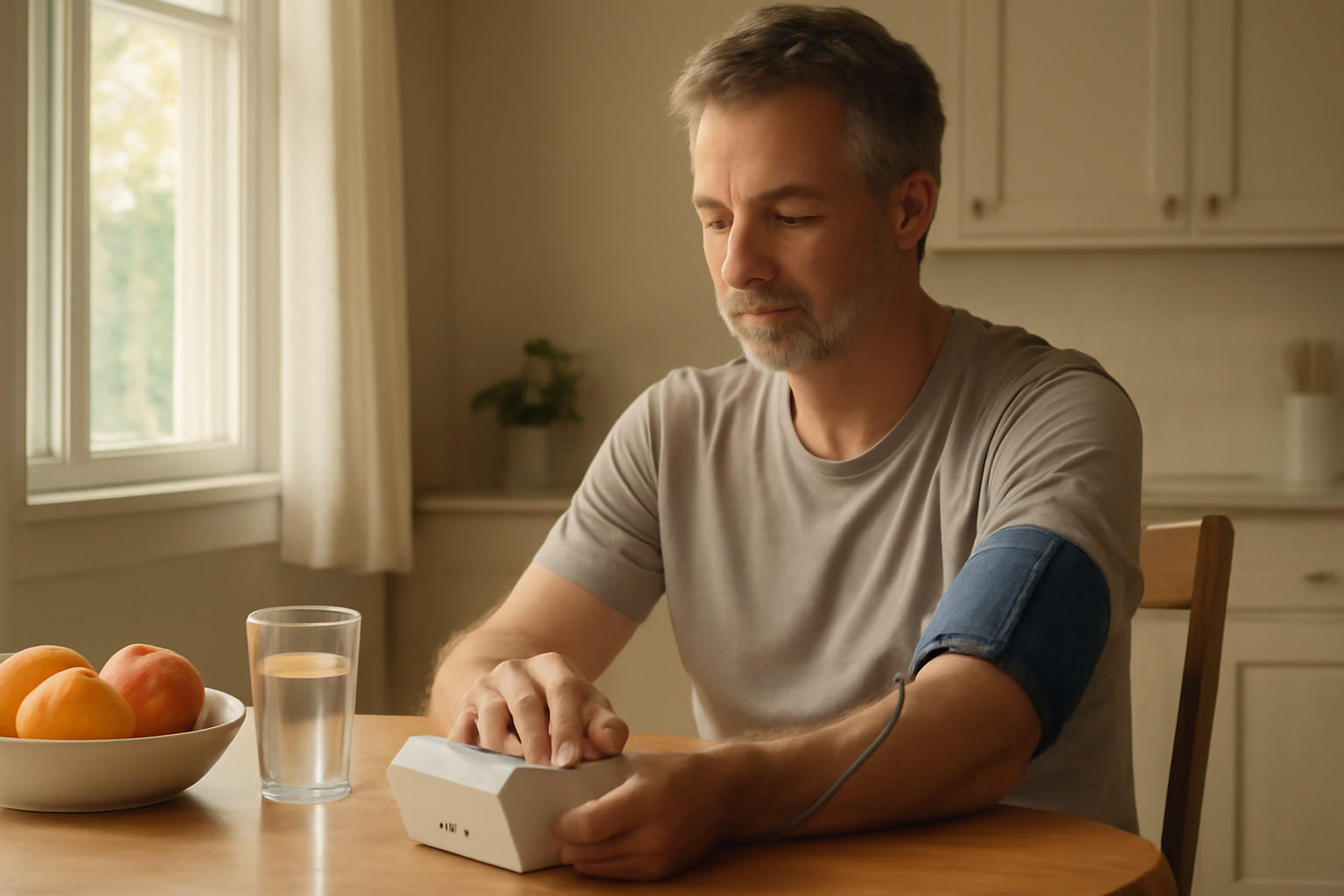
When David, 54, went in for a routine checkup, he felt completely fine. No headaches, no dizziness, no warning signs. But when the nurse wrapped the blood pressure cuff around his arm, the reading came back: 158/96 mmHg. His doctor told him he had stage 2 hypertension — and had probably had it for years without knowing.
David’s story isn’t unusual. According to the Centers for Disease Control and Prevention (CDC), nearly 1 in 2 American adults — that’s about 116 million people — has high blood pressure. And roughly 1 in 4 of those people don’t even know it.
High blood pressure, or hypertension, is often called the "silent killer" because it rarely causes symptoms until serious damage has already been done. But here’s the reassuring part: it’s also one of the most manageable chronic conditions when you know what to do.
In this guide, you’ll learn exactly what hypertension is, what causes it, what evidence-based steps you can take to control it, and when you need to involve your doctor. Whether you’ve just been diagnosed or you’ve been managing this condition for years, this article is for you.
What Is High Blood Pressure? Understanding the Basics
Blood pressure measures the force of blood pushing against the walls of your arteries as your heart pumps. It’s recorded as two numbers: systolic pressure (the top number, when your heart beats) over diastolic pressure (the bottom number, when your heart rests between beats).
A normal reading is below 120/80 mmHg. The American Heart Association (AHA) defines high blood pressure in the following stages:
- Elevated: 120–129 systolic / less than 80 diastolic
- Stage 1 Hypertension: 130–139 / 80–89
- Stage 2 Hypertension: 140 or higher / 90 or higher
- Hypertensive Crisis: above 180 / above 120 — requires immediate medical attention
Over time, uncontrolled high blood pressure damages arteries and puts enormous strain on your heart, kidneys, brain, and eyes. The NIH (National Institutes of Health) links hypertension to increased risk of heart attack, stroke, kidney failure, and even cognitive decline.
The good news? Hypertension is highly treatable — and in many cases, manageable without medication if caught early enough.
Recognizing the Signs: What High Blood Pressure Actually Feels Like
Here’s the tricky part: most people with hypertension feel perfectly normal. That’s what makes it so dangerous. However, when blood pressure climbs to very high levels, some people do experience warning signs:
- Severe headaches, especially at the back of the head
- Blurry or double vision
- Shortness of breath at rest
- Chest pain or tightness
- Nosebleeds (less common, but possible during spikes)
- Pounding or irregular heartbeat
- Difficulty concentrating or sudden confusion
It’s important to note that these symptoms typically appear only during hypertensive crises or when blood pressure has been dangerously elevated for a prolonged period. According to Mayo Clinic, most people discover they have hypertension only during a routine medical visit — which is exactly why regular monitoring matters so much.
A key clinical finding worth knowing: research published through the NIH’s National Heart, Lung, and Blood Institute shows that even moderately elevated blood pressure — maintained over years — significantly raises the risk of cardiovascular events, even without any noticeable symptoms.
Causes and Risk Factors: Why Does This Happen?
Hypertension develops from a combination of lifestyle, genetic, and environmental factors. Understanding which ones apply to you is the first step in taking back control.
Modifiable Risk Factors (things you can change):
- Diet high in sodium: The average American consumes about 3,400 mg of sodium daily — well above the AHA’s recommended 2,300 mg, and far exceeding the ideal 1,500 mg for those already at risk.
- Physical inactivity: A sedentary lifestyle can raise blood pressure by up to 5–10 mmHg, according to Harvard Health Publishing.
- Excess body weight: Obesity — particularly abdominal fat — dramatically increases blood pressure.
- Heavy alcohol use: Drinking more than one drink per day for women or two for men can raise systolic pressure significantly.
- Smoking and tobacco use: Nicotine constricts blood vessels and spikes blood pressure acutely with every use.
- Chronic stress: While the long-term relationship is complex, chronic stress contributes to habits and hormonal changes that elevate blood pressure. You can read more about how stress and sleep interact in our article on Anxiety and Sleep: Why You Can’t Rest and How to Fix It.
- Poor sleep quality: Sleep apnea, in particular, is strongly linked to resistant hypertension.
Non-Modifiable Risk Factors (things you cannot change):
- Age: Blood pressure naturally rises with age. By 65, more than 70% of Americans have hypertension, according to the CDC.
- Family history: Genetics play a significant role — if your parents had hypertension, your risk is considerably higher.
- Race and ethnicity: Black Americans develop hypertension earlier in life and at higher rates than other groups, with more severe outcomes on average.
- Chronic kidney disease or diabetes: Both are closely linked to elevated blood pressure and can make it harder to control.
The more risk factors you identify, the more proactive you’ll need to be — both in lifestyle changes and regular monitoring.
Evidence-Based Ways to Lower Your Blood Pressure
Managing hypertension doesn’t always mean a lifetime on medication — though for many people, medication plays an essential role. The most effective approach usually combines lifestyle changes with medical guidance tailored to your individual situation.
1. Follow a Heart-Healthy Diet
The DASH diet (Dietary Approaches to Stop Hypertension) is the gold standard for managing blood pressure through food. Developed with support from the NIH, the DASH diet emphasizes fruits, vegetables, whole grains, lean proteins, and low-fat dairy while limiting saturated fats, sodium, and added sugars.
Studies show the DASH diet can lower systolic blood pressure by 8–14 mmHg — a meaningful reduction that, for some people with stage 1 hypertension, can eliminate the need for medication.
2. Get Regular Physical Activity
The American Heart Association recommends at least 150 minutes of moderate-intensity aerobic activity per week — think brisk walking, swimming, or cycling. Regular aerobic exercise can lower systolic blood pressure by an average of 5–8 mmHg.
If you’re just starting out, even short 10-minute walks throughout the day add up. Strength training two days per week also provides additional cardiovascular benefits. Pairing exercise with a structured morning routine can make consistency easier — see our guide on Healthy Morning Routines That Transform Your Day for practical ideas.
3. Reduce Sodium Intake
Cutting sodium is one of the most directly impactful dietary changes you can make. The AHA recommends aiming for no more than 2,300 mg per day — and closer to 1,500 mg if you already have hypertension.
Practical ways to do this: cook at home more often, read nutrition labels carefully, avoid processed and packaged foods, and use herbs and spices instead of salt for flavor.
4. Limit Alcohol and Quit Smoking
Both of these lifestyle factors have clear, direct effects on blood pressure. Reducing alcohol to moderate levels and quitting smoking can produce meaningful improvements in cardiovascular health within weeks to months, according to Johns Hopkins Medicine.
5. Manage Stress Actively
Chronic psychological stress doesn’t just feel bad — it triggers hormonal responses that keep blood pressure elevated. Mindfulness-based stress reduction (MBSR), deep breathing exercises, yoga, and adequate sleep are all supported by clinical evidence as complementary strategies for blood pressure management.
6. Take Medications as Prescribed
For many people, lifestyle changes alone aren’t enough to bring blood pressure into a healthy range — and that’s okay. Several well-established classes of medications are available, including ACE inhibitors, ARBs, calcium channel blockers, and diuretics. The American College of Cardiology notes that most people with stage 2 hypertension will need medication in addition to lifestyle modifications.
Never stop or adjust your blood pressure medication without consulting your doctor, even if you feel fine. Consistency is key.
Managing hypertension often goes hand-in-hand with controlling blood sugar. If you’re also managing diabetes, our article on Type 2 Diabetes: Lifestyle Changes That Actually Work shares strategies that benefit both conditions.
When to See a Doctor About High Blood Pressure
You should schedule an appointment with your primary care provider if:
- Your home blood pressure readings consistently exceed 130/80 mmHg
- You’ve recently been diagnosed and haven’t had a follow-up visit
- You’re experiencing new symptoms like headaches, vision changes, or chest discomfort
- Your current medication doesn’t seem to be controlling your numbers
- You have other conditions like diabetes, kidney disease, or heart disease
Go to the emergency room immediately if your blood pressure reads above 180/120 mmHg, especially if accompanied by chest pain, severe headache, vision changes, or difficulty breathing. This is a hypertensive crisis and requires urgent care.
When you see your doctor, come prepared. Bring a log of your home readings (morning and evening, if possible), a list of all medications and supplements you take, and any questions about side effects or lifestyle adjustments. Ask about getting an ambulatory blood pressure monitor if your readings seem inconsistent, and discuss whether a referral to a cardiologist or nephrologist might be appropriate for your case.
Relevant screenings to ask about include basic metabolic panels, kidney function tests, an EKG, and cholesterol levels — all of which help your doctor build a fuller picture of your cardiovascular health.
Frequently Asked Questions About High Blood Pressure
Can high blood pressure go away on its own?
In some cases — particularly when hypertension is closely linked to a specific lifestyle factor like excess weight or high sodium intake — blood pressure can return to normal ranges with meaningful lifestyle changes. However, this isn’t guaranteed, and it doesn’t apply to everyone. Most people with hypertension require ongoing management, whether through lifestyle, medication, or both. Regular monitoring is essential.
Is it safe to check my blood pressure at home?
Yes, and many doctors actively encourage it. Home monitoring helps you track trends over time and avoids "white coat hypertension" — the spike some people experience in clinical settings. Use a validated upper-arm cuff monitor, take readings at the same time each day (morning before eating or taking medications, and evening), and sit quietly for five minutes before measuring. Share your log with your healthcare provider at each visit.
What’s the best diet for high blood pressure?
The DASH diet is the most clinically supported dietary pattern for hypertension. It focuses on vegetables, fruits, whole grains, legumes, nuts, and lean proteins while minimizing sodium, saturated fats, and added sugars. Research published through the NIH shows it can reduce systolic blood pressure by up to 14 mmHg in some individuals — comparable to a single medication dose.
Can stress cause high blood pressure?
Stress can cause acute spikes in blood pressure, and chronic stress contributes to sustained elevation over time — partly through hormonal pathways involving cortisol and adrenaline, and partly through stress-related behaviors like poor diet, reduced sleep, and increased alcohol use. While stress alone may not be the sole cause of chronic hypertension, it’s a significant contributing factor that deserves attention in any management plan.
Do I need to take blood pressure medication for life?
Not necessarily, but many people do. If significant lifestyle changes bring your blood pressure into a healthy range and you maintain those changes consistently, your doctor may discuss reducing or stopping medication under close supervision. However, this decision is highly individual and must always be made with your healthcare provider — never on your own.
The Bottom Line: You Have More Control Than You Think
High blood pressure is serious — but it’s also one of the most manageable chronic conditions you can face. The evidence is clear: combining a heart-healthy diet, regular physical activity, stress management, and appropriate medical care can make a profound difference in your numbers and your long-term health.
You don’t have to change everything overnight. Small, consistent steps — reducing sodium, adding a daily walk, monitoring your readings at home — add up to meaningful results over time.
Remember that your healthcare provider is your most important partner in this process. Regular checkups, honest conversations, and staying informed are the foundation of effective hypertension management. The goal isn’t just lower numbers on a cuff — it’s a longer, healthier life.
This article is for informational and educational purposes only and does not constitute medical advice, diagnosis, or treatment. Always consult a qualified healthcare professional before making any health-related decisions or changing your treatment plan.
Reviewed by the Healthy Care Today Editorial Team — a group of health writers committed to evidence-based wellness content for everyday Americans.
Autor

negociosnanet001@gmail.com
Posts relacionados
Hypertension: What You Can Do to Lower Your Blood Pressure
- 0
- 2.096 words
Managing high blood pressure doesn’t have to feel overwhelming — here’s what the evidence says and what you can start doing today....

Type 2 Diabetes Management: What You Can Do Today
- 0
- 2.208 words
A practical, evidence-based guide to understanding and managing type 2 diabetes — so you can live well, feel better, and take real...

Living with Multiple Sclerosis: Symptoms and Management
- 0
- 2.136 words
Managing multiple sclerosis can feel overwhelming — but with the right strategies, many people live full, active lives for decades after diagnosis....

Living with Gout: Symptoms, Causes, and How to Manage It
- 0
- 2.186 words
Gout is one of the most painful forms of arthritis — but with the right approach, most people can prevent flares and...
Leia tudo
Living with Lupus: Symptoms, Causes, and How to Manage It
- 0
- 2.050 words
Lupus is one of the most misunderstood chronic conditions in America — but with the right approach, you can live well with...

Psoriatic Arthritis: Symptoms, Causes & How to Manage It
- 0
- 2.180 words
If you’re living with psoriatic arthritis, understanding your condition is the first step toward reclaiming your quality of life. When David, 47,...