
- 0
- 2.045 words
Your ability to manage stress, stay calm under pressure, and bounce back from setbacks may have more to do with your sleep than you realize.
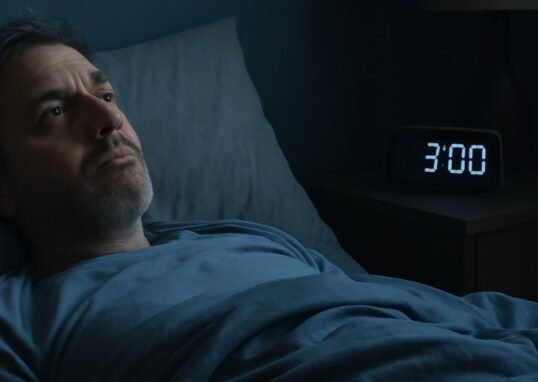
James, 47, had always considered himself an even-keeled person. But after months of sleeping only five to six hours a night due to work deadlines, he noticed something unsettling: minor frustrations were sending him over the edge. A slow driver, a missed email, a disagreement with his teenager — things that once barely registered were now triggering real anger. His wife noticed it. His coworkers noticed it. He was starting to notice it too.
What James was experiencing wasn’t a personality change. It was the predictable result of chronic sleep deprivation disrupting one of the brain’s most essential functions: emotional regulation.
In this article, you’ll learn exactly how sleep shapes your emotional resilience, what the science says about the brain mechanisms involved, and what practical steps you can take to protect your mental health through better rest.
What Is Emotional Regulation — and Why Does Sleep Matter?
Emotional regulation is your brain’s ability to manage, modulate, and respond to emotional experiences in a healthy, proportionate way. It’s what allows you to feel frustration without exploding, process grief without shutting down, and face uncertainty without spiraling into panic.
This capacity isn’t fixed — it fluctuates daily, and sleep is one of its most powerful drivers.
According to the National Institutes of Health, the brain during sleep — particularly during REM (rapid eye movement) sleep — actively processes emotional memories and experiences. Think of it as overnight emotional first aid. Your brain essentially strips the emotional charge from difficult memories, allowing you to recall what happened without reliving the full intensity of how it felt.
Research suggests that adults who consistently get fewer than seven hours of sleep per night show measurably reduced activity in the prefrontal cortex — the part of the brain responsible for rational thinking, impulse control, and emotional judgment — and increased reactivity in the amygdala, the brain’s threat-detection center.
In plain terms: poor sleep makes your brain’s alarm system louder while turning down the volume on the rational voice that keeps it in check.
How Sleep Deprivation Hijacks Your Emotions
The effects of poor sleep on emotional health are not subtle, and they don’t require total sleep deprivation to take hold. Even a few nights of shortened or disrupted sleep can create measurable shifts in how you experience and respond to the world.
Here’s what research tells us happens when you’re consistently under-slept:
- Heightened emotional reactivity: A study published through the NIH found that sleep-deprived participants showed up to 60% more amygdala reactivity to negative images compared to well-rested individuals.
- Reduced empathy: Sleep loss impairs your ability to read social cues accurately, making you more likely to misinterpret neutral facial expressions as threatening or hostile.
- Increased irritability and mood instability: The threshold for emotional triggers drops significantly, meaning smaller stressors feel disproportionately large.
- Difficulty recovering from stress: Well-rested people return to emotional baseline faster after a stressful event. Sleep-deprived people stay activated longer.
- Negative bias amplification: Your brain becomes more attuned to threats and negative experiences — and less responsive to positive ones — creating a skewed emotional lens.
According to Harvard Health Publishing, this emotional dysregulation doesn’t just affect mood — it compounds over time, contributing to increased risk of anxiety disorders, depression, and relationship difficulties.
It’s also worth noting that this relationship runs in both directions. Poor emotional regulation makes it harder to fall asleep, and poor sleep worsens emotional regulation — a cycle that can be genuinely difficult to break without intentional intervention.
The Brain Mechanisms Behind Sleep and Emotional Resilience
Understanding what’s happening in your brain during sleep helps explain why quality rest is so protective for mental health — and why cutting it short has such real consequences.
REM Sleep and Emotional Memory Processing
REM sleep, which accounts for roughly 20–25% of total sleep time in healthy adults, plays a central role in emotional memory consolidation. During REM, your brain replays emotional experiences in a neurochemical environment notably low in norepinephrine — the stress chemical. This allows the brain to essentially re-file emotional memories with less charge attached to them.
When REM sleep is disrupted or cut short — which happens with alcohol, certain medications, and irregular sleep schedules — this processing doesn’t complete. The emotional weight of experiences stays heavier, longer.
Deep Sleep and Stress Hormone Regulation
Slow-wave sleep (deep sleep) is critical for regulating cortisol, the body’s primary stress hormone. The Mayo Clinic notes that chronic sleep disruption keeps cortisol levels elevated, which has downstream effects on mood, anxiety levels, and the body’s ability to return to a calm, regulated state.
The Prefrontal-Amygdala Connection
In a well-rested brain, the prefrontal cortex maintains strong regulatory control over the amygdala — essentially acting as a brake on emotional reactivity. Sleep deprivation weakens this connection. Johns Hopkins Medicine researchers have described it as the brain losing its top-down control, leaving you more vulnerable to emotional flooding from situations that wouldn’t normally trigger such a strong response.
Evidence-Based Strategies to Protect Emotional Regulation Through Sleep
The good news is that the brain’s emotional regulation systems respond relatively quickly to improved sleep. Many people report noticeable improvements in mood, patience, and stress tolerance within just a few nights of better rest. Here are evidence-backed approaches to help you get there.
1. Prioritize Sleep Duration — Not Just Sleep Quality
The CDC recommends that adults aged 18–60 get at least seven hours of sleep per night. Adults over 60 often need seven to nine hours. If you’re consistently sleeping less, even by 30–60 minutes per night, you’re accumulating a cognitive and emotional debt. Set a consistent bedtime that allows for a full sleep window — not just the time you spend lying in bed.
2. Protect Your REM Sleep
Avoid alcohol within three to four hours of bedtime. While alcohol may help you fall asleep faster, research consistently shows it suppresses REM sleep in the second half of the night — exactly when emotional processing is most active. Similarly, irregular sleep schedules reduce REM sleep, so maintaining a consistent wake time (even on weekends) is especially important.
3. Practice a Wind-Down Routine That Signals Safety to Your Brain
Your nervous system needs transitional time between the demands of the day and the stillness of sleep. A 20–30 minute wind-down routine — dim lighting, light stretching, reading, or a warm shower — activates the parasympathetic nervous system and helps lower cortisol before bed. Consistency matters more than perfection here. You can explore more strategies in our guide on Sleep and Brain Health: How Poor Sleep Hurts Your Memory.
4. Address Rumination at Bedtime
For many adults, the biggest obstacle to restorative sleep isn’t the bedroom environment — it’s an overactive mind. Research suggests that writing down tomorrow’s to-do list or journaling about the day’s emotional events before bed can significantly reduce sleep onset time and nighttime rumination. The act of externalizing thoughts reduces the brain’s felt need to keep rehearsing them.
5. Consider Cognitive Behavioral Strategies
Cognitive Behavioral Therapy for Insomnia (CBT-I) is considered the gold-standard first-line treatment for chronic sleep difficulties, according to the American Academy of Sleep Medicine. It targets the thought patterns and behaviors that perpetuate poor sleep — and unlike sleep medications, its benefits tend to last. Many evidence-based CBT-I programs are now available digitally through apps and telehealth platforms.
6. Manage Stress During the Day — Not Just at Night
Daytime stress management directly influences nighttime sleep quality. Regular physical activity, particularly moderate aerobic exercise, has been shown to improve both sleep duration and emotional regulation. Even a 20-minute daily walk can make a measurable difference. For more on how movement supports mental wellness, see our article on Daily Movement for Healthy Aging.
When to See a Doctor
While lifestyle changes can significantly improve sleep and emotional regulation, some situations call for professional evaluation. Consider reaching out to your doctor or a mental health professional if:
- You’ve been struggling with poor sleep for more than three months despite consistent effort
- You’re experiencing persistent mood changes, emotional numbness, or difficulty functioning at work or in relationships
- You notice symptoms of depression or anxiety that aren’t responding to self-care
- Your sleep is disrupted by snoring, gasping, or frequent nighttime awakenings — which may indicate sleep apnea, a treatable condition that significantly impacts emotional regulation
- You find yourself relying on alcohol, over-the-counter sleep aids, or sedatives to fall asleep regularly
When you see your doctor, be specific: describe how long you’ve been having sleep difficulties, how many hours you’re typically sleeping, and how your emotional state has changed. Ask about a sleep study if apnea is suspected, and ask for a referral to a licensed therapist trained in CBT-I or sleep medicine if appropriate.
It’s also worth noting that for some adults — particularly women in perimenopause or postmenopause — hormonal shifts can significantly disrupt sleep and emotional regulation simultaneously. If you suspect this is a factor, a conversation with your physician about hormonal health may be relevant. Similarly, if you’re taking medications that affect sleep architecture, discussing alternatives may be worth exploring.
Frequently Asked Questions
How many hours of sleep do adults need for healthy emotional regulation?
Most adults need between seven and nine hours per night, according to the CDC. Research suggests that emotional regulation begins to decline measurably below seven hours, and that consistently sleeping less than six hours is associated with significantly elevated risk of mood disorders and anxiety.
Can catching up on sleep over the weekend restore emotional balance?
Partially — but not fully. Studies suggest that “sleep debt” can be partially recovered with extended sleep on weekends, and some emotional and cognitive function does improve. However, research from the NIH indicates that the emotional and neurological effects of chronic sleep deprivation don’t completely resolve with short-term recovery sleep. Consistency is more restorative than occasional catch-up nights.
Does napping help emotional regulation?
Short naps of 10–30 minutes can improve alertness, mood, and emotional reactivity. A nap that includes REM sleep (which typically requires at least 60–90 minutes) may offer additional emotional processing benefits. However, long or late-day naps can interfere with nighttime sleep, so use them strategically.
Is there a link between nightmares and emotional regulation?
Yes. Frequent nightmares — which often involve disrupted REM sleep — are associated with poorer emotional regulation, higher levels of anxiety, and greater difficulty processing stressful experiences. If nightmares are frequent and distressing, this is worth discussing with a mental health professional, as treatments like Image Rehearsal Therapy have shown real effectiveness.
Can poor emotional regulation actually cause sleep problems?
Absolutely. This is one of the clearest bidirectional relationships in sleep science. High emotional arousal, worry, and rumination at bedtime are among the most common contributors to insomnia. Managing emotional stress during the day — through therapy, physical activity, or relaxation practices — can directly improve sleep onset and quality. For more on this, see our article on Sleep and Chronic Pain: Breaking the Vicious Cycle.
The Bottom Line
Sleep is not a passive state — it’s when your brain does some of its most important emotional work. Every night of quality rest is an investment in your capacity to handle stress, maintain relationships, and show up as the person you want to be.
If you’ve been telling yourself that sacrificing sleep is a reasonable trade-off for productivity or a busy schedule, the science is clear: the emotional costs are real, measurable, and cumulative. The encouraging news is that the brain responds well to improved sleep — often faster than you’d expect.
Small, consistent changes to your sleep habits can begin to restore your emotional resilience. And if you’ve been struggling for a while, know that effective, evidence-based help exists — from CBT-I to medical evaluation to mental health support. You don’t have to navigate this alone, and you don’t have to accept emotional dysregulation as your new normal.
This article is for informational and educational purposes only and does not constitute medical advice, diagnosis, or treatment. Always consult a qualified healthcare professional before making any health-related decisions or changing your treatment plan.
Reviewed by the Healthy Care Today Editorial Team — a group of health writers committed to evidence-based wellness content for everyday Americans.
Autor

negociosnanet001@gmail.com
Posts relacionados

Anxiety and Sleep: Why Worry Keeps You Awake at Night
- 0
- 2.361 words
If racing thoughts and a pounding heart have ever kept you staring at the ceiling past midnight, you already know the exhausting...

Sleep and Grief: How Loss Disrupts Rest and How to Heal
- 0
- 2.579 words
Losing someone you love changes everything — including how you sleep. Here’s what grief does to your body at night, and what...
PTSD and Sleep: How Trauma Disrupts Rest and Recovery
- 0
- 2.231 words
Trauma doesn’t stay in the past — for millions of Americans, it follows them to bed every night, stealing the rest their...

Mindfulness for Sleep: How It Works and What to Try
- 0
- 2.171 words
A practical, evidence-based guide to using mindfulness to quiet your mind, reduce nighttime anxiety, and finally get the rest your body needs....

Sleep After 40: Why It Changes and How to Sleep Better
- 0
- 2.316 words
Sleep used to come easily — now it takes longer to fall asleep, you wake at 3 a.m. for no clear reason,...

Sleep and Chronic Pain: Breaking the Vicious Cycle
- 0
- 2.375 words
Understanding why pain keeps you awake — and how poor sleep makes pain worse — is the first step toward feeling better....