- 0
- 2.375 words
Understanding why pain keeps you awake — and how poor sleep makes pain worse — is the first step toward feeling better.
When Every Night Becomes a Battle
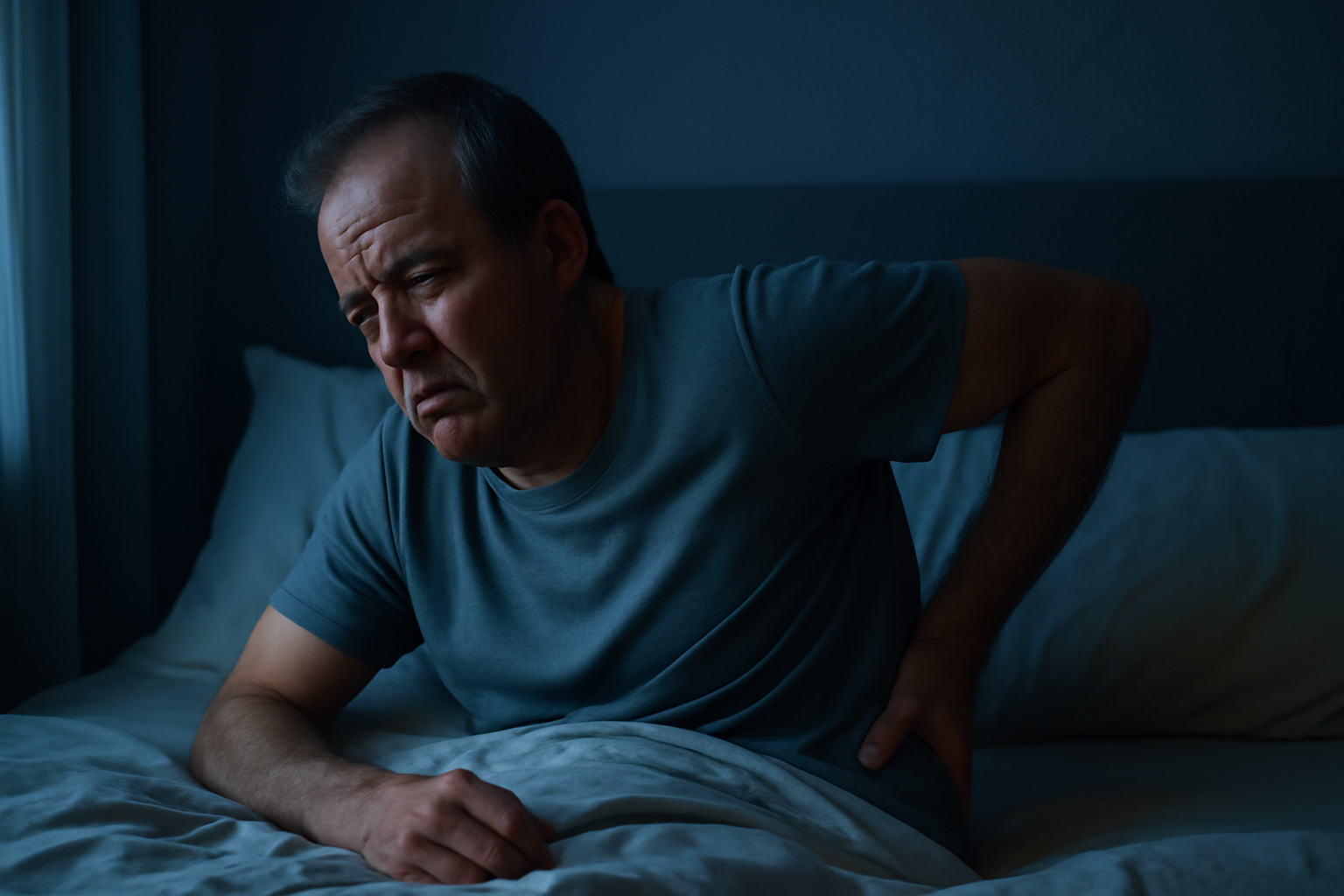
James, 58, had been living with lower back pain for three years. He would fall asleep exhausted, only to wake up at 2 a.m., unable to find a comfortable position. By morning, he felt worse than when he went to bed — and his pain seemed sharper, more relentless. His doctor confirmed what research has long suggested: James wasn’t just sleep-deprived. His poor sleep was actively making his pain harder to bear.
If this sounds familiar, you are not alone. According to the National Institutes of Health, more than 50 million American adults live with chronic pain, and the vast majority of them also report significant sleep problems. The relationship between sleep and chronic pain isn’t a coincidence — it’s a deeply interconnected cycle that affects your nervous system, your mood, and your quality of life.
In this article, you will learn exactly how sleep and chronic pain influence each other, what the science says about breaking that cycle, and which evidence-based strategies can help you sleep better — and hurt less.
Understanding Chronic Pain and Sleep: What’s Really Happening
Chronic pain is defined as pain lasting longer than three months, whether from conditions like arthritis, fibromyalgia, neuropathy, lower back problems, or migraines. It affects not just your body — it rewires how your brain processes sensation, emotion, and rest.
Sleep, on the other hand, is when your body does most of its repair work. During deep, slow-wave sleep, your brain clears inflammatory compounds, your muscles recover, and your nervous system recalibrates pain sensitivity. When sleep is disrupted — whether by pain or by poor sleep habits — that recovery process breaks down.
According to the CDC, adults with chronic pain are nearly twice as likely to report insufficient sleep compared to those without pain. And here’s the critical piece that many people miss: the relationship runs in both directions. Pain disrupts sleep. And poor sleep lowers your pain threshold, making you more sensitive to the pain you already have.
Researchers refer to this as “pain catastrophizing amplified by sleep loss” — a state where your nervous system becomes hypersensitive, interpreting ordinary sensations as more painful than they would otherwise be.
How Poor Sleep Makes Chronic Pain Worse
Most people assume that pain causes sleep problems and leave it there. But the science tells a more complicated story — one where sleep deprivation is itself a driver of increased pain.
Here’s what happens inside your body when you don’t sleep well:
- Inflammation increases. Poor sleep raises levels of pro-inflammatory cytokines, molecules that are already elevated in many chronic pain conditions. According to Harvard Health Publishing, even a single night of poor sleep can trigger measurable increases in systemic inflammation.
- Pain sensitivity rises. Sleep loss lowers your pain threshold — the point at which a stimulus starts to feel painful. A study published in the journal Sleep found that sleep-deprived adults reported significantly higher pain ratings in response to identical stimuli compared to well-rested individuals.
- Opioid receptors become less effective. Research from the NIH suggests that sleep deprivation may reduce the effectiveness of your body’s natural pain-management system, meaning the same level of pain feels more intense when you’re tired.
- Mood and coping capacity decline. Sleep loss increases anxiety, irritability, and feelings of helplessness — all of which are known to amplify the perception of pain and reduce your ability to manage it.
- Muscle tension rises. Poor sleep often leads to increased muscle tension, particularly in the neck, shoulders, and lower back — areas already vulnerable in many chronic pain conditions.
The Cleveland Clinic notes that patients with fibromyalgia — a condition defined by widespread musculoskeletal pain — often show abnormalities in slow-wave (deep) sleep, and that improving sleep quality in these patients frequently leads to measurable reductions in pain intensity.
Common Sleep Problems Linked to Chronic Pain
Chronic pain doesn’t disrupt sleep in just one way. It tends to cause several overlapping sleep problems, each of which makes the overall situation harder to manage.
Difficulty falling asleep (sleep onset insomnia) is extremely common when pain flares in the evening or when anxiety about pain the next day keeps your mind racing at bedtime.
Frequent nighttime awakenings occur when pain breaks through during lighter sleep stages, preventing you from getting the deep, restorative sleep your body needs.
Non-restorative sleep means you spend enough hours in bed but wake up feeling unrefreshed. Research suggests that disruptions to slow-wave sleep — which pain commonly causes — are a primary driver of this experience.
Sleep apnea is more prevalent among people with chronic pain, partly because conditions like obesity, neck pain, and certain medications used to treat pain (including opioids) can worsen airway obstruction during sleep.
According to Johns Hopkins Medicine, people with untreated sleep apnea report significantly higher pain levels, and treating the apnea often leads to improved pain outcomes — even without changing other parts of the treatment plan. For a deeper look at how sleep disorders and mental health intersect, see our article on Sleep Disorders and Mental Health: What You Need to Know.
Evidence-Based Strategies to Break the Sleep-Pain Cycle
The good news is that the sleep-pain relationship works both ways — which means improving your sleep can genuinely reduce your experience of pain. Here are the most well-supported approaches:
1. Cognitive Behavioral Therapy for Insomnia (CBT-I)
CBT-I is consistently recommended by the American Academy of Sleep Medicine as the first-line treatment for chronic insomnia — and it has shown particular promise for people with co-occurring chronic pain. Unlike sleep medications, CBT-I addresses the thought patterns and behaviors that perpetuate poor sleep.
In a clinical trial published in JAMA Internal Medicine, participants with chronic pain who completed a CBT-I program reported not only better sleep but also lower pain intensity and improved daily functioning compared to a control group. CBT-I includes techniques such as sleep restriction therapy, stimulus control, and cognitive restructuring around pain-related worry at bedtime.
2. Sleep Hygiene Tailored to Pain
Standard sleep hygiene advice — consistent bedtime, cool dark room, no screens before bed — still applies. But when you have chronic pain, a few additional adaptations can make a significant difference:
- Time your pain medications strategically. Talk with your doctor about whether adjusting the timing of anti-inflammatory medications or other pain treatments could reduce nighttime flares. Never change your medication schedule without medical guidance.
- Use positioning aids. Body pillows, wedge pillows, or mattress toppers can reduce pressure on painful joints and areas. The Mayo Clinic recommends that people with lower back pain experiment with sleeping on their side with a pillow between the knees.
- Create a wind-down ritual that addresses pain. Gentle stretching, a warm bath, or topical heat applied to painful areas before bed can reduce muscle tension and signal your nervous system to shift into rest mode.
3. Mind-Body Techniques
Research suggests that mindfulness-based stress reduction (MBSR) and progressive muscle relaxation can reduce both pain intensity and sleep disturbance in people with chronic pain conditions. A study supported by the NIH found that MBSR participants reported significant improvements in sleep quality and pain-related interference with daily activities after an eight-week program.
These approaches work partly by reducing the hypervigilance and anxiety that amplify both pain and sleeplessness. Even ten minutes of guided breathing before bed can help shift your nervous system away from a state of heightened alertness.
4. Physical Activity (Within Your Limits)
It may feel counterintuitive when you’re in pain, but regular, appropriate physical activity is one of the most effective ways to improve both sleep quality and chronic pain outcomes. The American College of Rheumatology recommends low-impact aerobic exercise — swimming, walking, cycling — for most chronic pain conditions, noting that it reduces inflammation, improves mood, and promotes deeper sleep.
Even a daily 20-minute walk has been shown to improve sleep quality in middle-aged and older adults, according to research cited by Harvard Health Publishing. If you’re unsure what’s safe for your specific condition, a physical therapist can help you develop a plan. You can also explore our guide on Walking for Health: Daily Benefits You Should Know for practical starting tips.
5. Addressing the Mental Health Component
Depression and anxiety are far more common among people with chronic pain than in the general population, and both conditions severely worsen sleep. According to the American Psychological Association, roughly 35 to 45 percent of people with chronic pain also meet criteria for a depressive or anxiety disorder.
Treating these conditions — through therapy, medication, or a combination — often produces meaningful improvements in both sleep quality and pain tolerance. If you notice that low mood or persistent worry is making your nights harder, that’s an important piece of information to share with your healthcare provider. You may also find it useful to read about how poor sleep affects brain health and memory, since cognitive changes from sleep loss can compound the emotional burden of living with pain.
A Note on Medication and Individual Variation
It’s worth acknowledging something many articles skip over: there’s no single solution that works for everyone. Chronic pain varies enormously in its causes, severity, and how it interacts with sleep in each individual.
Some people find that low-dose tricyclic antidepressants, prescribed off-label for sleep and pain management, offer meaningful relief. Others respond better to behavioral interventions alone. Opioid medications, while sometimes necessary for severe pain, can suppress REM sleep and worsen sleep architecture over time — a tradeoff that should be discussed openly with your physician.
The key is working with a healthcare team that understands both dimensions of your experience: the pain and the sleep. Increasingly, integrated pain clinics and sleep medicine specialists are collaborating to treat these conditions together — and this combined approach tends to produce better outcomes than treating each problem in isolation.
When to See a Doctor
Some sleep and pain situations call for prompt medical attention. Reach out to your healthcare provider if:
- Your sleep problems have lasted more than three months, regardless of what you’ve tried at home
- Your pain is new, suddenly worsening, or accompanied by other unexplained symptoms
- You wake up gasping, snoring loudly, or your partner notices you stop breathing during sleep (possible signs of sleep apnea)
- You feel so fatigued or depressed that daily functioning is significantly impaired
- Your pain medications no longer seem to be working as well as they used to
When you speak with your doctor, be specific. Tell them how many nights per week your sleep is disrupted, what wakes you up, how pain feels in the morning compared to the evening, and how your mood has been affected. This level of detail helps your provider identify the most effective treatment direction.
Ask about a referral to a sleep specialist if you haven’t had a formal sleep evaluation. A sleep study (polysomnography) can identify underlying disorders — like sleep apnea or periodic limb movement disorder — that may be contributing to your pain-sleep cycle without your awareness.
Frequently Asked Questions
Can improving my sleep actually reduce my chronic pain?
Research suggests yes — for many people, improving sleep quality leads to measurable reductions in pain sensitivity and daily pain ratings. It’s not a cure, but better sleep supports your body’s natural pain-regulation systems and reduces inflammation, which can make a real difference over time.
Is it safe to use sleep aids when I have chronic pain?
Some sleep aids are safer than others, and the right choice depends on your specific condition and other medications you take. Many pain specialists caution against relying on sedative sleep medications long-term, as they don’t improve sleep architecture and can interact with pain medications. CBT-I is generally considered a safer and more effective long-term solution. Always discuss sleep aids with your doctor before using them.
What sleeping position is best when you have chronic pain?
It depends on where your pain is located. For lower back pain, sleeping on your side with a pillow between the knees is often recommended. For hip pain, a firm mattress with a body pillow for support can help. For neck pain, a cervical pillow that maintains spinal alignment during sleep may reduce morning stiffness. A physical therapist or orthopedic specialist can offer personalized guidance.
Can fibromyalgia cause insomnia?
Yes. Fibromyalgia is strongly associated with disrupted slow-wave sleep, which leaves people feeling unrefreshed even after a full night in bed. Many fibromyalgia patients describe this as "waking up more tired than when I went to sleep." Treating sleep disturbances — through CBT-I, medications, or lifestyle changes — is considered an important part of managing fibromyalgia symptoms.
Does stress make both pain and sleep problems worse at the same time?
Absolutely. Chronic stress activates your body’s fight-or-flight response, raising cortisol levels and keeping your nervous system in a heightened state of alertness. This increases inflammation, amplifies pain perception, and makes it harder to fall and stay asleep. Managing stress — through exercise, therapy, mindfulness, or social connection — is one of the most effective things you can do for both conditions simultaneously.
Key Takeaways
The connection between sleep and chronic pain is real, bidirectional, and well-documented. Pain disrupts your sleep. Poor sleep amplifies your pain. And left unaddressed, this cycle can wear down your mood, your functioning, and your overall quality of life.
The encouraging truth is that this cycle can be interrupted. CBT-I, mindful movement, strategic sleep hygiene, mind-body practices, and addressing co-occurring mental health conditions all offer genuine, evidence-backed paths forward.
You don’t have to accept that pain means poor sleep forever. But you do deserve a treatment plan that takes both seriously — and a healthcare team that treats the whole picture, not just one piece at a time.
Start by tracking your sleep and pain together for one week, then bring those notes to your next appointment. Small, consistent steps — guided by your provider — can shift the trajectory meaningfully over time.
Medical Disclaimer: This article is for informational and educational purposes only and does not constitute medical advice, diagnosis, or treatment. Always consult a qualified healthcare professional before making any health-related decisions or changing your treatment plan.
Reviewed by the Healthy Care Today Editorial Team — a group of health writers committed to evidence-based wellness content for everyday Americans.
Autor

negociosnanet001@gmail.com
Posts relacionados
Anxiety and Sleep: Why Worry Keeps You Awake at Night
- 0
- 2.361 words
If racing thoughts and a pounding heart have ever kept you staring at the ceiling past midnight, you already know the exhausting...

Sleep and Grief: How Loss Disrupts Rest and How to Heal
- 0
- 2.579 words
Losing someone you love changes everything — including how you sleep. Here’s what grief does to your body at night, and what...
PTSD and Sleep: How Trauma Disrupts Rest and Recovery
- 0
- 2.231 words
Trauma doesn’t stay in the past — for millions of Americans, it follows them to bed every night, stealing the rest their...

Mindfulness for Sleep: How It Works and What to Try
- 0
- 2.171 words
A practical, evidence-based guide to using mindfulness to quiet your mind, reduce nighttime anxiety, and finally get the rest your body needs....

Sleep After 40: Why It Changes and How to Sleep Better
- 0
- 2.316 words
Sleep used to come easily — now it takes longer to fall asleep, you wake at 3 a.m. for no clear reason,...
Sleep and Emotional Regulation: How Rest Builds Resilience
- 0
- 2.045 words
Your ability to manage stress, stay calm under pressure, and bounce back from setbacks may have more to do with your sleep...