- 0
- 2.231 words
Trauma doesn’t stay in the past — for millions of Americans, it follows them to bed every night, stealing the rest their minds and bodies desperately need.
When Nighttime Becomes the Hardest Part of the Day
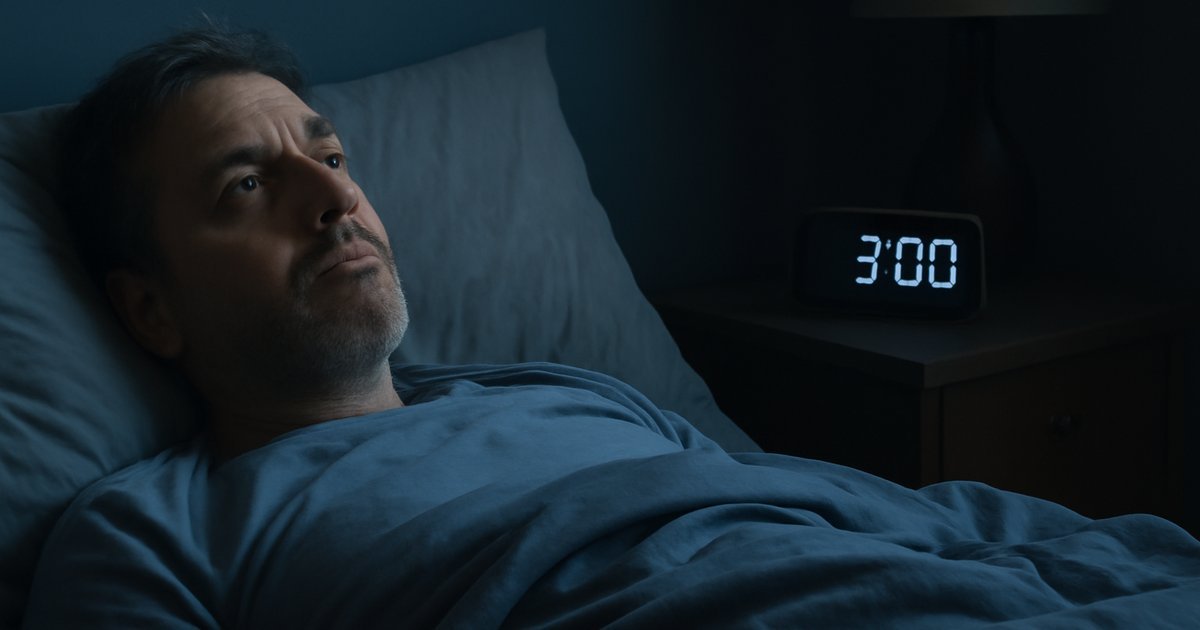
Sandra, 47, survived a serious car accident three years ago. Her physical injuries healed within months — but sleep never came back the same way. Every night, she’d lie in the dark, heart racing, replaying the moment of impact. When she finally drifted off, nightmares jolted her awake. By morning, she felt more exhausted than when she’d gone to bed.
Sandra’s experience isn’t unusual. According to the National Center for PTSD, approximately 70% of adults in the United States will experience at least one traumatic event in their lifetime, and roughly 20% of those individuals will go on to develop Post-Traumatic Stress Disorder — commonly known as PTSD. Sleep disturbance is one of its most persistent and debilitating symptoms.
In this article, you’ll learn why PTSD and sleep problems are so deeply connected, what the science says about how trauma rewires your brain’s relationship with rest, and what evidence-based strategies — from therapy to lifestyle changes — may help you reclaim the sleep your body needs to heal.
What Is PTSD — and Why Does It Target Sleep?
Post-Traumatic Stress Disorder is a mental health condition that can develop after a person experiences or witnesses a life-threatening or deeply distressing event. This includes combat, sexual assault, natural disasters, serious accidents, childhood abuse, or the sudden loss of a loved one.
PTSD isn’t a sign of weakness — it’s a sign that your nervous system has been fundamentally changed by an overwhelming experience. According to the NIH’s National Institute of Mental Health, PTSD affects about 3.6% of U.S. adults each year, with women nearly twice as likely as men to develop the condition.
Sleep is particularly vulnerable to PTSD because the brain structures most affected by trauma — the amygdala, hippocampus, and prefrontal cortex — are the same ones that regulate your sleep-wake cycle, memory consolidation, and emotional processing. When trauma disrupts these systems, it doesn’t just affect your waking hours. It reaches directly into the night.
The hypervigilance that defines PTSD — that constant sense of being on guard — doesn’t switch off when you close your eyes. Your nervous system remains in a state of high alert, making deep, restorative sleep feel physiologically impossible.
How PTSD Disrupts Sleep: Signs and Mechanisms
Sleep disturbance is so central to PTSD that it appears as a diagnostic criterion in the DSM-5, the standard clinical guide used by mental health professionals. Research published in the journal Sleep Medicine Reviews found that between 70% and 91% of people with PTSD report significant sleep problems — making it one of the most common and treatment-resistant symptoms of the condition.
Here’s how PTSD typically disrupts sleep:
- Nightmares and trauma-related dreams: Vivid, distressing replays of traumatic events that wake you from sleep — often repeatedly throughout the night.
- Insomnia: Difficulty falling asleep or staying asleep, even when exhausted, due to a hyperactivated nervous system.
- Hyperarousal at bedtime: Racing thoughts, physical tension, and a persistent sense of danger that intensifies when the environment becomes quiet and dark.
- Sleep avoidance: Consciously or unconsciously staying awake to prevent nightmares, which only deepens fatigue over time.
- Night sweats and elevated heart rate: Physiological stress responses that occur during sleep, disrupting REM cycles.
- Fragmented sleep architecture: Studies using polysomnography — overnight sleep monitoring — show that people with PTSD often have reduced slow-wave sleep and disrupted REM sleep, the stages most critical for emotional regulation and memory processing.
This creates a painful cycle: poor sleep worsens PTSD symptoms during the day, and heightened PTSD symptoms make sleep worse at night. Without intervention, many people find themselves trapped in this loop for years.
Causes, Risk Factors, and Who Is Most Vulnerable
While any traumatic experience can trigger PTSD and its associated sleep problems, certain factors appear to increase a person’s risk. Understanding these can help you make sense of your own experience — or that of someone you love.
Non-modifiable risk factors include:
- Biological sex — women are at higher risk, possibly due to hormonal and neurological differences
- Prior history of trauma, especially in childhood
- A personal or family history of anxiety, depression, or other mental health conditions
- Genetic factors affecting stress hormone regulation
Modifiable or situational risk factors include:
- Lack of social support after a traumatic event
- Ongoing stress or exposure to additional trauma
- Alcohol or substance use as a coping mechanism — which significantly worsens sleep quality
- Untreated depression or anxiety running alongside PTSD
- Irregular sleep schedules that further destabilize the circadian system
According to the U.S. Department of Veterans Affairs, combat veterans are among the highest-risk groups, with some studies suggesting that up to 50% of veterans with PTSD also meet criteria for a clinical sleep disorder, such as obstructive sleep apnea. First responders, healthcare workers, and survivors of domestic violence are also disproportionately affected.
It’s worth noting that PTSD can develop immediately after a trauma — or it can emerge months or even years later, which is why sleep problems in midlife sometimes trace back to experiences that happened long ago.
Evidence-Based Treatment Options for PTSD-Related Sleep Problems
The good news is that PTSD-related sleep disturbance is treatable — and several approaches have strong clinical evidence behind them. The most effective strategies tend to address both the trauma itself and the sleep problems simultaneously.
1. Trauma-Focused Psychotherapy
The American Psychological Association identifies Cognitive Processing Therapy (CPT) and Prolonged Exposure (PE) as first-line treatments for PTSD. Both therapies work by helping your brain reprocess traumatic memories in a way that gradually reduces their emotional charge — and clinical trials show they also significantly improve sleep quality as a secondary benefit.
If you haven’t yet worked with a trauma-informed therapist, this is the most important step you can take. Many telehealth platforms now offer these therapies, making access easier than ever before.
2. Image Rehearsal Therapy (IRT) for Nightmares
Image Rehearsal Therapy is a specific, highly effective treatment for trauma-related nightmares. During IRT, you work with a therapist to rewrite the script of your recurring nightmare while you’re awake — giving it a new, less distressing ending — and then mentally rehearse the new version daily. Research published in the Journal of Clinical Sleep Medicine found that IRT reduced nightmare frequency and improved overall sleep in PTSD patients within just a few weeks of treatment.
3. Cognitive Behavioral Therapy for Insomnia (CBT-I)
CBT-I is the gold-standard, non-medication treatment for chronic insomnia and is recommended by the American Academy of Sleep Medicine even when insomnia is secondary to PTSD. It addresses the thoughts and behaviors — like lying awake in bed for hours or sleeping in to compensate — that keep insomnia going long after the initial trauma response. Many people see meaningful improvement within 6 to 8 sessions. You can explore more about this approach in our detailed guide on Mindfulness for Sleep: How It Works and What to Try.
4. Medication Options
Medication is not a cure for PTSD-related sleep problems, but it can provide meaningful relief while you work on underlying causes. Prazosin, a blood pressure medication, has shown promise specifically for trauma-related nightmares in several clinical trials. SSRIs such as sertraline and paroxetine are FDA-approved for PTSD overall and may improve sleep as part of broader symptom reduction. Always discuss medication options with your psychiatrist or primary care physician — what works varies significantly from person to person.
5. Lifestyle Strategies That Support Sleep Healing
While lifestyle changes alone won’t resolve PTSD, they create conditions where your nervous system has a better chance to settle at night. Research consistently supports:
- Consistent sleep and wake times: Anchoring your circadian rhythm reduces nighttime hyperarousal over time.
- Limiting alcohol and caffeine: Alcohol fragments REM sleep and worsens nightmare intensity; caffeine after noon keeps an already-alert nervous system from downshifting.
- Physical exercise: A meta-analysis in Mental Health and Physical Activity found that regular aerobic exercise significantly reduced PTSD symptom severity, including sleep disturbance.
- Creating a safe sleep environment: This may mean keeping a light on, sleeping with a trusted pet, or using a white noise machine — whatever genuinely helps your nervous system feel less threatened.
- Grounding techniques before bed: Practices like deep breathing, progressive muscle relaxation, or the 5-4-3-2-1 sensory grounding method help signal safety to an overactivated amygdala.
If you’ve noticed that emotional volatility gets worse when you’re sleep-deprived, our article on Sleep and Emotional Regulation: How Rest Builds Resilience explains the neuroscience behind that connection in detail.
When to See a Doctor or Mental Health Professional
Many people with PTSD spend years managing alone — normalizing their sleep struggles or not connecting them to their trauma history. If any of the following apply to you, it’s time to reach out to a healthcare provider.
Seek professional help if you experience:
- Nightmares that recur several times a week or leave you afraid to sleep
- Sleep problems that have persisted for more than a month after a traumatic event
- Daytime functioning significantly impaired by fatigue, mood changes, or concentration problems
- Thoughts of self-harm or feeling that life is not worth living
- Using alcohol, sleep aids, or substances regularly to manage bedtime anxiety
- Physical symptoms during sleep — like acting out dreams, screaming, or falling out of bed — which may indicate REM Sleep Behavior Disorder, a condition that requires medical evaluation
What to tell your doctor: Be specific. Instead of saying “I don’t sleep well,” describe your nightmares, how often you wake up, what bedtime anxiety feels like for you, and how long this has been happening. Ask about a referral to a trauma-specialized therapist, a sleep study if physical symptoms are present, and whether medication might be appropriate as a bridge during therapy.
The VA’s PTSD Treatment Program and SAMHSA’s National Helpline (1-800-662-4357) are also valuable resources for veterans and civilians alike seeking access to trauma-informed care.
And if you’re curious about how sleep changes more broadly as you age — which can layer onto PTSD symptoms — our guide on Sleep After 40: Why It Changes and How to Sleep Better covers the physiological shifts worth understanding.
Frequently Asked Questions About PTSD and Sleep
Can PTSD cause sleep apnea?
Research suggests that PTSD and obstructive sleep apnea frequently co-occur, particularly in veterans and trauma survivors. While PTSD does not directly cause sleep apnea, the hyperarousal and disrupted sleep architecture associated with PTSD may worsen apnea symptoms and make them harder to treat. If you snore heavily, wake gasping, or feel unrefreshed despite adequate time in bed, ask your doctor about a sleep study.
Is it normal to develop sleep problems years after a trauma?
Yes. PTSD and its symptoms — including sleep disturbance — can emerge or worsen months or even years after the original event, especially during periods of stress or major life transitions. Delayed-onset PTSD is clinically recognized and fully treatable with appropriate support.
Are sleep medications safe for PTSD?
Certain medications may be helpful in the short term, but sedative-hypnotics like benzodiazepines are generally not recommended for PTSD because they can worsen REM suppression and increase dependence. Prazosin and certain antidepressants have a stronger evidence base for PTSD-specific sleep symptoms. Always work with a physician to find the right approach for your situation.
How long does it take for sleep to improve with PTSD treatment?
This varies significantly by individual and treatment type. Many people working with a trauma therapist begin to notice sleep improvements within 4 to 8 weeks, though full resolution may take longer. CBT-I tends to show sleep-specific improvements relatively quickly — often within 6 to 8 sessions. Healing is rarely linear, and setbacks are a normal part of the process.
Can mindfulness help with PTSD-related sleep problems?
Mindfulness-based approaches can be a useful complement to trauma-focused therapy, helping to reduce bedtime hyperarousal and improve emotional regulation. However, mindfulness alone is not a first-line treatment for PTSD itself. For some trauma survivors, certain mindfulness practices — particularly those involving body scans — may initially feel distressing. Working with a trauma-informed practitioner to adapt these techniques is strongly recommended.
Conclusion: Your Rest — and Your Recovery — Are Worth Fighting For
PTSD and sleep problems feed each other in ways that can feel impossible to escape — but escape is possible, and the path is clearer than it’s ever been. Decades of research now support specific therapies, lifestyle changes, and, when appropriate, medications that can meaningfully restore your ability to rest.
The most important step is the first one: acknowledging that what you’re experiencing is real, that it has a name, and that you don’t have to manage it alone. Whether your trauma is recent or decades old, your nervous system has the capacity to heal — and sleep is one of the most powerful vehicles for that healing.
You deserve nights that restore you instead of re-traumatize you. With the right support, that’s not just possible — for many people, it becomes their reality.
Always work with a qualified mental health professional or physician to develop a treatment plan tailored to your specific history and needs.
Medical Disclaimer: This article is for informational and educational purposes only and does not constitute medical advice, diagnosis, or treatment. Always consult a qualified healthcare professional before making any health-related decisions or changing your treatment plan.
Reviewed by the Healthy Care Today Editorial Team — a group of health writers committed to evidence-based wellness content for everyday Americans.
Autor

negociosnanet001@gmail.com
Posts relacionados
Anxiety and Sleep: Why Worry Keeps You Awake at Night
- 0
- 2.361 words
If racing thoughts and a pounding heart have ever kept you staring at the ceiling past midnight, you already know the exhausting...

Sleep and Grief: How Loss Disrupts Rest and How to Heal
- 0
- 2.579 words
Losing someone you love changes everything — including how you sleep. Here’s what grief does to your body at night, and what...
Mindfulness for Sleep: How It Works and What to Try
- 0
- 2.171 words
A practical, evidence-based guide to using mindfulness to quiet your mind, reduce nighttime anxiety, and finally get the rest your body needs....

Sleep After 40: Why It Changes and How to Sleep Better
- 0
- 2.316 words
Sleep used to come easily — now it takes longer to fall asleep, you wake at 3 a.m. for no clear reason,...
Sleep and Emotional Regulation: How Rest Builds Resilience
- 0
- 2.045 words
Your ability to manage stress, stay calm under pressure, and bounce back from setbacks may have more to do with your sleep...
Sleep and Chronic Pain: Breaking the Vicious Cycle
- 0
- 2.375 words
Understanding why pain keeps you awake — and how poor sleep makes pain worse — is the first step toward feeling better....