- 0
- 2.316 words
Sleep used to come easily — now it takes longer to fall asleep, you wake at 3 a.m. for no clear reason, and mornings feel foggy. If this sounds familiar, you’re far from alone.
When David, 54, started complaining to his doctor about waking up multiple times a night and feeling exhausted by early afternoon, his physician told him something surprising: “Your sleep didn’t break. It changed.” That distinction matters more than most people realize.
Sleep changes are among the most overlooked shifts that come with aging — and they affect nearly every aspect of health, from mood and memory to heart function and immune response. According to the National Institutes of Health, older adults experience significant changes in sleep architecture starting as early as their late thirties and forties, yet many assume these changes are simply inevitable and untreatable.
They’re not. In this guide, you’ll learn exactly what happens to your sleep as you age, why it happens, what the research says about consequences, and — most importantly — what you can do to sleep better starting tonight. Evidence-based strategies, practical tools, and clear guidance on when to talk to your doctor are all ahead.
What Happens to Sleep as You Age?
Sleep isn’t a single state — it’s a carefully orchestrated cycle of stages your body moves through multiple times each night. Understanding what those stages are, and how aging shifts them, is the first step toward sleeping better.
A healthy sleep cycle includes light sleep (Stages 1 and 2), deep slow-wave sleep (Stage 3), and REM (rapid eye movement) sleep. Deep sleep is where your body repairs tissue and strengthens the immune system. REM sleep is where emotional processing and memory consolidation happen. Both are essential.
According to research published through the NIH’s National Institute on Aging, adults over 40 experience a measurable reduction in slow-wave (deep) sleep — sometimes by as much as 50% compared to younger adults. REM sleep also decreases with age. What fills that gap? Lighter, more fragmented sleep that’s easier to interrupt.
Additional changes that commonly occur after 40 include:
- Earlier circadian rhythm shifts — your internal clock may push bedtime and wake time progressively earlier
- Reduced melatonin production — the pineal gland produces less of this sleep-triggering hormone as you age
- Increased nighttime awakenings — lighter sleep means noise, light, or even minor discomfort wakes you more easily
- Decreased sleep efficiency — you may spend more time in bed but get fewer hours of actual restorative sleep
- More time needed to fall asleep — sleep onset latency tends to increase gradually after midlife
It’s worth noting that these changes are normal — but “normal” doesn’t mean you have to accept poor sleep as your new reality. Many of these patterns are modifiable.
Signs Your Sleep Quality May Be Declining
How do you know if your sleep has genuinely changed, or if something else is going on? There’s a meaningful difference between natural age-related sleep shifts and a diagnosable sleep disorder — and recognizing the signs helps you respond appropriately.
According to the CDC, about 1 in 3 American adults reports not getting enough sleep on a regular basis. Among adults over 45, rates of sleep complaints are even higher, with surveys showing that up to 40% report frequent difficulty falling or staying asleep.
Common signs that your sleep quality is declining include:
- Waking up one or more times per night and struggling to fall back asleep
- Feeling unrefreshed even after 7–8 hours in bed
- Daytime drowsiness, especially in the early afternoon
- Difficulty concentrating or remembering things after poor sleep
- Irritability, low mood, or heightened anxiety tied to sleep disruption
- Falling asleep much earlier in the evening than you used to
- Relying on naps to function through the day
- Loud snoring, gasping, or pauses in breathing reported by a partner
That last point is particularly important. Symptoms like loud snoring or gasping during sleep may indicate obstructive sleep apnea — a condition that becomes more common with age and carries significant cardiovascular risks if left untreated. This is not something to manage with lifestyle changes alone; it requires medical evaluation.
If you’ve noticed your sleep affecting your emotional wellbeing, you may also find it helpful to read about how rest builds emotional resilience — a closely related piece of the sleep-health puzzle.
Why Sleep Declines with Age: Root Causes and Risk Factors
Age-related sleep changes don’t happen in a vacuum. Several biological, hormonal, and lifestyle factors drive them — and understanding the difference between what you can and can’t control helps you focus your efforts wisely.
Non-Modifiable Factors
- Hormonal shifts — declining estrogen and progesterone in women going through perimenopause and menopause directly disrupt sleep, causing night sweats, hot flashes, and fragmented rest. The North American Menopause Society estimates that up to 61% of perimenopausal women report sleep difficulties.
- Reduced melatonin secretion — production drops naturally after age 40, making it harder for the body to initiate sleep on cue
- Changes in circadian biology — the suprachiasmatic nucleus, the brain’s internal clock, becomes less precise with age
- Chronic conditions — arthritis, chronic pain, heart disease, GERD, and enlarged prostate (in men) all disrupt sleep through discomfort or frequent nighttime urination
Modifiable Risk Factors
- Sedentary lifestyle — physical inactivity is strongly linked to poorer sleep quality, according to research cited by the American Heart Association
- High stress and anxiety — cortisol, the stress hormone, is a natural enemy of deep sleep
- Poor sleep hygiene — irregular sleep schedules, blue-light exposure at night, and late-day caffeine all compound age-related changes
- Alcohol use — many adults use alcohol to “wind down,” but research from Johns Hopkins Medicine confirms it suppresses REM sleep and increases nighttime awakenings
- Medications — beta-blockers, diuretics, some antidepressants, and corticosteroids can all interfere with sleep architecture
- Untreated mental health conditions — depression and anxiety are among the leading causes of chronic insomnia in midlife adults
It’s also worth understanding how interconnected sleep and chronic pain can be — disrupted sleep worsens pain sensitivity, and pain disrupts sleep in return. If that cycle sounds familiar, this overview of sleep and chronic pain covers it in depth.
Evidence-Based Strategies to Sleep Better After 40
The good news: research clearly supports several approaches that can meaningfully improve sleep quality in midlife and beyond. These aren’t generic tips — they’re strategies with clinical backing.
1. Prioritize Sleep Schedule Consistency
Going to bed and waking up at the same time every day — including weekends — is one of the most consistently supported sleep interventions in the scientific literature. The Mayo Clinic lists consistent sleep timing as a foundational pillar of good sleep hygiene. It reinforces your circadian rhythm, which naturally weakens with age.
2. Use Cognitive Behavioral Therapy for Insomnia (CBT-I)
CBT-I is considered the gold-standard first-line treatment for chronic insomnia by the American Academy of Sleep Medicine — above and before sleep medications. It works by identifying and changing the thought patterns and behaviors that interfere with sleep. Studies show CBT-I improves sleep quality in 70–80% of people with chronic insomnia, with effects that last long after treatment ends. Ask your doctor for a referral, or look for accredited CBT-I digital programs.
3. Optimize Light Exposure
Since melatonin production declines with age, you can support it by managing light strategically. Get bright natural light in the morning — even 15–20 minutes of outdoor exposure within an hour of waking helps calibrate your circadian rhythm. In the evening, dim overhead lights, use warm-toned bulbs, and avoid screens for at least 60 minutes before bed. Harvard Health Publishing notes that blue light from devices suppresses melatonin by up to three hours.
4. Exercise Regularly — But Time It Right
Regular physical activity is one of the most powerful natural sleep aids available. A meta-analysis published through the NIH found that moderate aerobic exercise improved sleep quality, reduced time to fall asleep, and decreased nighttime awakenings. Aim for at least 150 minutes of moderate activity per week. One caveat: vigorous exercise within 2–3 hours of bedtime may delay sleep onset for some people, so morning or early afternoon workouts tend to work best.
5. Address Stress Before It Hits the Pillow
Elevated cortisol at night — driven by unresolved stress — keeps the brain in a light, alert state that fights restorative sleep. Evidence-based stress-reduction approaches like mindfulness meditation, progressive muscle relaxation, and diaphragmatic breathing have been shown in clinical trials to reduce pre-sleep arousal. Even 10 minutes of a structured relaxation practice before bed can shift your nervous system toward rest.
6. Review Your Medications and Supplements With Your Doctor
Several common medications disrupt sleep architecture without the person realizing it. A pharmacist or physician can review your current medications and flag any that may be contributing to your sleep problems. On the supplement side, low-dose melatonin (0.5–1 mg) taken 30–60 minutes before bed may help some people, especially those experiencing circadian phase shifts. Magnesium glycinate has also been studied for its role in relaxation and sleep quality. Always discuss supplements with your healthcare provider before starting them.
7. Manage Your Sleep Environment Deliberately
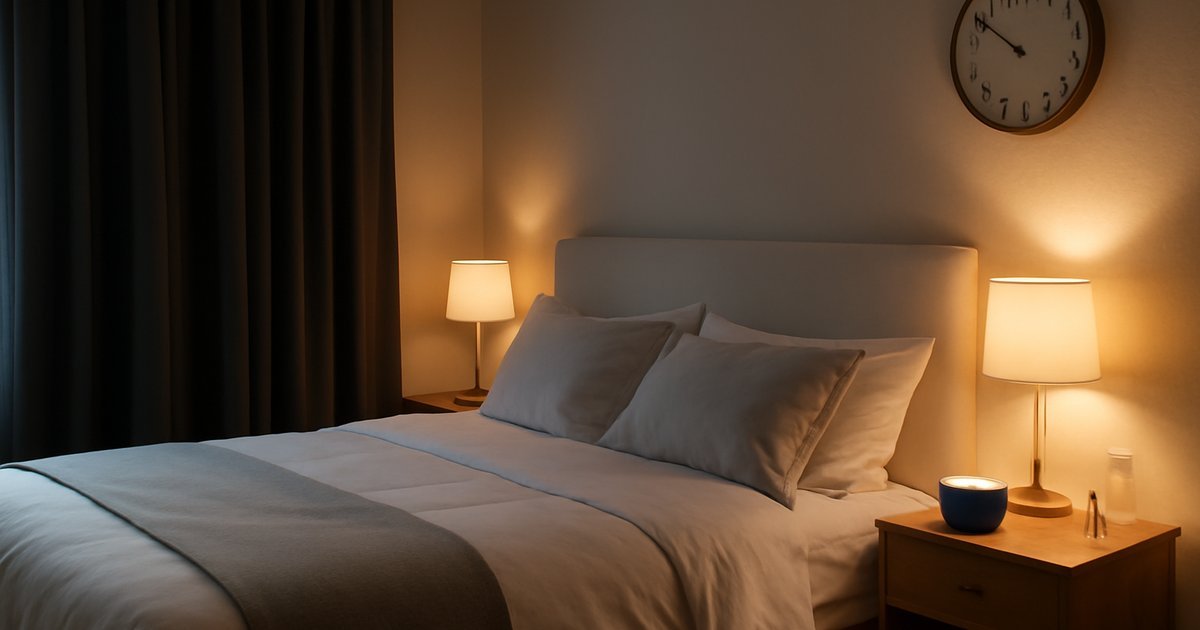
As sleep becomes lighter with age, your environment matters more. The Cleveland Clinic recommends keeping your bedroom cool (between 65–68°F), dark, and quiet. Blackout curtains, white noise machines, and a consistent, cool temperature can all support deeper sleep when your natural deep-sleep capacity has decreased.
When to See a Doctor About Sleep Problems
Not all sleep changes after 40 are manageable through lifestyle adjustments alone. Some require medical evaluation and treatment. Knowing when to escalate is critical — particularly because undiagnosed conditions like sleep apnea carry serious long-term health consequences.
See your doctor promptly if you experience:
- Loud snoring, choking, or gasping during sleep (reported by yourself or a partner)
- Waking up with a headache most mornings
- Extreme daytime sleepiness that interferes with daily functioning
- Restless legs — an uncomfortable crawling sensation in your legs that worsens at night
- Sleep problems that persist for more than 3 months despite lifestyle changes
- Signs of depression or anxiety alongside sleep difficulties
- Nocturnal panic attacks or racing heart at night
What to tell your doctor: Track your sleep for 1–2 weeks before your appointment. Note what time you go to bed, how long it takes to fall asleep, how many times you wake up, what time you rise, and how you feel in the morning. Many physicians and sleep specialists use the Pittsburgh Sleep Quality Index (PSQI) as a standardized screening tool — you can ask about it.
Tests or screenings to ask about:
- Sleep study (polysomnography or home sleep apnea test) if apnea is suspected
- Thyroid panel — hypothyroidism can cause fatigue and disrupt sleep
- Hormonal evaluation if you’re in perimenopause or menopause
- Mental health screening for anxiety or depression
Frequently Asked Questions
Is it normal to sleep less as you get older?
Many people sleep slightly fewer hours as they age, and sleep becomes lighter and more fragmented — but the total sleep need doesn’t drop dramatically. Most adults over 40 still need 7–9 hours per night, according to the National Sleep Foundation. If you’re consistently getting less, it’s worth investigating why, rather than assuming it’s just aging.
Can melatonin supplements help with age-related sleep changes?
Research suggests low-dose melatonin (0.5–1 mg) may help some older adults, particularly those experiencing circadian rhythm shifts or jet lag. However, the evidence is mixed for general insomnia, and melatonin is not a long-term solution for most sleep problems. Always consult your doctor before starting a supplement, especially if you take other medications.
Does menopause permanently affect sleep?
Menopause-related sleep disruptions — driven by hot flashes, night sweats, and hormonal fluctuations — are real and common, but they are not necessarily permanent. Many women see improvement once they move through the transition. In the meantime, hormone therapy, CBT-I, and targeted sleep hygiene practices can provide significant relief. Your OB-GYN or a menopause specialist can help create a personalized plan.
Is napping okay when you’re sleeping poorly at night?
Short naps of 20–30 minutes in the early afternoon can reduce daytime sleepiness without significantly disrupting nighttime sleep for most people. However, napping after 3 p.m. or for longer than 45 minutes tends to interfere with your ability to fall asleep at night — which can worsen a chronic sleep problem. Use naps strategically, not as a substitute for addressing the root cause.
Can poor sleep increase my risk of serious health problems?
Yes, and the research on this is well-established. Chronic poor sleep is associated with increased risk of cardiovascular disease, type 2 diabetes, obesity, depression, and cognitive decline, according to multiple large-scale studies cited by the CDC and the American Heart Association. This is exactly why sleep deserves the same attention as diet and exercise — it’s not a luxury, it’s a biological necessity.
Taking Control of Your Sleep After 40
Sleep doesn’t have to be a casualty of getting older. Yes, your sleep architecture changes — but many of those changes are either modifiable or manageable with the right approach. From locking in a consistent sleep schedule and reducing stress before bed, to pursuing CBT-I or getting evaluated for sleep apnea, there are real, evidence-backed steps you can take.
The most important thing is not to normalize suffering. Feeling exhausted, foggy, and emotionally drained because of poor sleep is not an inevitable part of aging. It’s a signal worth listening to — and responding to.
Start with one or two changes this week. Talk to your doctor if your sleep problems have lasted more than a few months or come with the warning signs listed above. And remember: better sleep at 45 or 55 or 65 is absolutely within reach — with the right information and the right support.
If you’re also curious about how daily movement supports both sleep and overall wellbeing, this guide on staying active for healthy aging is a natural next read.
Medical Disclaimer: This article is for informational and educational purposes only and does not constitute medical advice, diagnosis, or treatment. Always consult a qualified healthcare professional before making any health-related decisions or changing your treatment plan.
Reviewed by the Healthy Care Today Editorial Team — a group of health writers committed to evidence-based wellness content for everyday Americans.
Autor

negociosnanet001@gmail.com
Posts relacionados
Anxiety and Sleep: Why Worry Keeps You Awake at Night
- 0
- 2.361 words
If racing thoughts and a pounding heart have ever kept you staring at the ceiling past midnight, you already know the exhausting...

Sleep and Grief: How Loss Disrupts Rest and How to Heal
- 0
- 2.579 words
Losing someone you love changes everything — including how you sleep. Here’s what grief does to your body at night, and what...
PTSD and Sleep: How Trauma Disrupts Rest and Recovery
- 0
- 2.231 words
Trauma doesn’t stay in the past — for millions of Americans, it follows them to bed every night, stealing the rest their...
Mindfulness for Sleep: How It Works and What to Try
- 0
- 2.171 words
A practical, evidence-based guide to using mindfulness to quiet your mind, reduce nighttime anxiety, and finally get the rest your body needs....
Sleep and Emotional Regulation: How Rest Builds Resilience
- 0
- 2.045 words
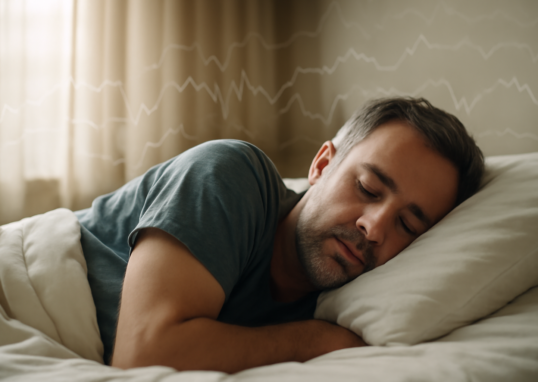
Your ability to manage stress, stay calm under pressure, and bounce back from setbacks may have more to do with your sleep...
Sleep and Chronic Pain: Breaking the Vicious Cycle
- 0
- 2.375 words
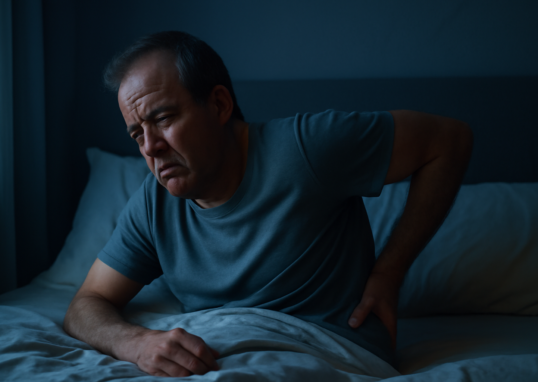
Understanding why pain keeps you awake — and how poor sleep makes pain worse — is the first step toward feeling better....