- 0
- 1.460 word
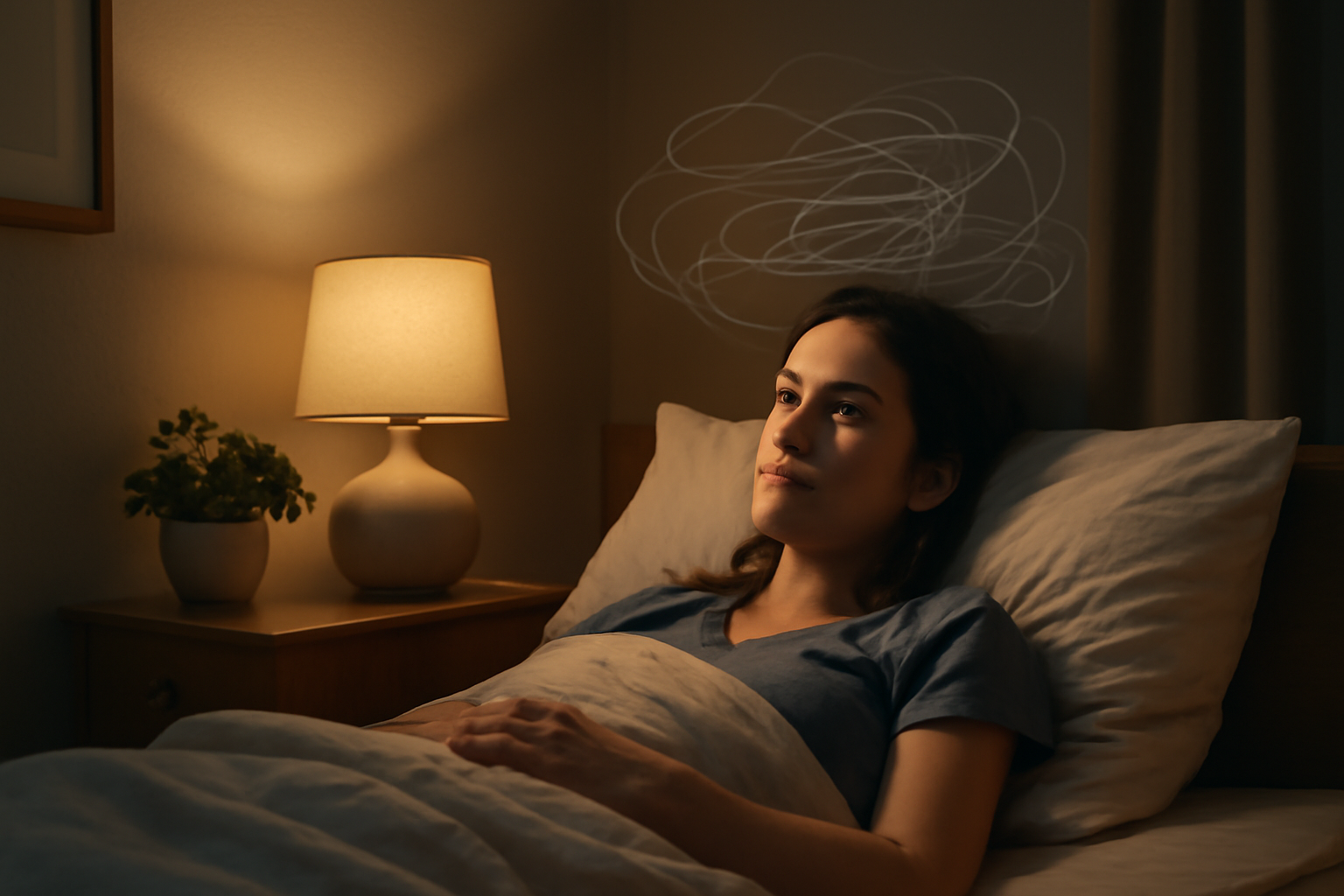
If you’ve ever lain awake at night with your mind racing through tomorrow’s worries, you’re not alone. Anxiety and poor sleep are two of the most common health complaints among American adults — and research suggests they feed each other in a frustrating cycle that can feel almost impossible to break. Understanding why anxiety disrupts sleep and what practical steps you can take is the first move toward actually getting rest again.
The Anxiety-Sleep Connection: Why One Makes the Other Worse
Anxiety triggers your body’s stress response — a biological alarm system that releases cortisol and adrenaline to prepare you for a perceived threat. The problem is that your nervous system doesn’t distinguish between a real emergency and a worried thought at 2 a.m. about a work deadline.
When cortisol levels rise at night, they suppress melatonin — the hormone your brain produces to signal that it’s time to sleep. According to the National Institute of Mental Health (NIMH), anxiety disorders affect more than 40 million adults in the United States, and sleep disturbance is one of the most consistently reported symptoms.
What makes this cycle especially difficult is that sleep deprivation itself increases anxiety. A 2019 study from UC Berkeley found that even a single sleepless night can trigger a 30% spike in anxiety levels the following day. Less sleep means less emotional regulation, which means more anxiety, which means less sleep. Breaking this loop requires a deliberate, multi-pronged approach.
Signs Your Anxiety Is Stealing Your Sleep
Not everyone recognizes anxiety as the root cause of their sleep troubles. Many people attribute their sleeplessness to caffeine, a bad mattress, or just “being a worrier.” Here are some signs that anxiety is a significant factor:
- You fall asleep fine but wake up between 2–4 a.m. and can’t get back to sleep
- Your mind starts racing the moment you turn off the lights
- You feel physically tense — tight jaw, clenched stomach, stiff shoulders — at bedtime
- You dread going to bed because you know you won’t sleep well
- You feel exhausted all day but become mentally alert late at night
- Worry thoughts are repetitive and hard to redirect
If several of these sound familiar, anxiety is likely playing a central role in your sleep struggles — and that’s actually good news, because anxiety is treatable.
How Poor Sleep Amplifies Anxiety Symptoms
Sleep isn’t just rest — it’s when your brain does critical maintenance. During deep sleep stages, your brain processes emotional memories and “files” them in a way that reduces their emotional charge. The prefrontal cortex — the part of your brain responsible for rational thinking — is particularly sensitive to sleep deprivation.
When you’re under-slept, your amygdala (the brain’s threat detector) becomes hyperactive. Research published in the journal Nature Human Behaviour found that sleep-deprived individuals had significantly exaggerated emotional responses to mildly negative stimuli. In plain terms: everything feels more threatening when you’re tired.
This is why people with chronic insomnia often notice that their anxiety worsens over time — it’s not just in their heads. Sleep loss is neurologically changing how they process fear and stress.
Evidence-Based Strategies to Break the Cycle
1. Cognitive Behavioral Therapy for Insomnia (CBT-I)
CBT-I is considered the gold standard treatment for chronic insomnia by both the Mayo Clinic and the American Academy of Sleep Medicine. Unlike sleeping pills, CBT-I addresses the underlying thought patterns and behaviors that perpetuate poor sleep.
It typically involves sleep restriction therapy, stimulus control, cognitive restructuring of worry thoughts, and relaxation training. Studies consistently show that CBT-I outperforms medication for long-term results — and improvements tend to last for years after treatment ends. Ask your doctor for a referral or explore digital CBT-I programs like Sleepio or Somryst.
2. Scheduled “Worry Time”
One surprisingly effective technique recommended by many therapists is to schedule a specific 15–20 minute window earlier in the day — not at night — dedicated to thinking through your worries. Write them down, brainstorm possible solutions, then consciously close the notebook.
When anxious thoughts arise at bedtime, you can tell yourself: “I’ve already dealt with that today. My worry time is done.” Research published in the journal Behavior Therapy found that this technique significantly reduced nighttime cognitive arousal in adults with generalized anxiety disorder.
3. Diaphragmatic Breathing and Progressive Muscle Relaxation
Slow, deep breathing activates the parasympathetic nervous system — your body’s “rest and digest” mode — which directly counters the fight-or-flight response keeping you awake. Try the 4-7-8 breathing method: inhale for 4 counts, hold for 7, exhale slowly for 8.
Progressive muscle relaxation (PMR) pairs well with breathing exercises. You systematically tense and release muscle groups from your feet upward, releasing physical tension that anxiety stores in your body. According to Harvard Health Publishing, both techniques have solid evidence behind them for reducing pre-sleep arousal.
4. Limit the “Sleep Effort” Trap
One of the most counterproductive things anxious sleepers do is try too hard to fall asleep. Watching the clock, calculating how many hours you’ll get, and mentally pressuring yourself to sleep actually increases arousal and makes sleep harder to reach.
Sleep specialists call this “sleep effort” or hyperarousal. A key CBT-I technique called paradoxical intention — where you actually try to stay awake passively in a dark room — can break this pattern by removing the pressure and allowing sleep to arrive naturally.
5. Create a Consistent Sleep Window
Your circadian rhythm — your internal clock — thrives on consistency. Going to bed and waking up at the same time every day, including weekends, stabilizes your sleep-wake cycle and reduces nighttime wakefulness over time.
Many sleep-anxious people try to compensate for a bad night by sleeping in or napping, which further disrupts their rhythm and makes the next night harder. Keeping a firm wake time is one of the most powerful and underused tools for improving sleep quality.
Lifestyle Factors That Quietly Worsen the Cycle
Beyond direct interventions, several everyday habits can significantly amplify anxiety-related sleep problems without people realizing it:
- Caffeine after noon: Caffeine has a half-life of 5–7 hours. An afternoon coffee can still be in your system at midnight, keeping your nervous system alert.
- Evening alcohol: While alcohol may help you fall asleep, it disrupts REM sleep and often causes anxious early-morning waking as it metabolizes.
- Late-night screen use: Blue light suppresses melatonin, but the bigger issue is that scrolling social media or watching news activates your brain’s arousal centers right when you need to wind down.
- Irregular exercise timing: Exercise is excellent for both anxiety and sleep — but vigorous workouts within 2–3 hours of bedtime can elevate cortisol and interfere with falling asleep.
If you want to explore how morning habits support better mental health and sleep, check out our guide on Healthy Morning Routines That Transform Your Day.
When to Talk to a Doctor or Mental Health Professional
Self-help strategies work well for mild to moderate anxiety and sleep problems. But if you’ve been struggling for more than three months, if your symptoms are significantly affecting your work or relationships, or if you’re experiencing symptoms of depression alongside your anxiety, it’s time to reach out to a professional.
Your primary care physician can rule out physical causes (like thyroid dysfunction or sleep apnea) and refer you to a therapist or psychiatrist if needed. Treatment options may include therapy (particularly CBT or CBT-I), medication management, or a combination of both — all of which are highly effective when properly matched to your needs.
It’s also worth noting that conditions like chronic health issues can add an extra layer of stress that fuels anxiety and sleep loss. If you’re managing a condition like diabetes, you may find it helpful to read about Type 2 Diabetes: Lifestyle Changes That Actually Work, which includes stress management strategies relevant to sleep health.
Quick-Start Action Plan for Tonight
If you’re struggling right now and want somewhere to start, here’s a simple plan you can use tonight:
- Set a firm wake time for tomorrow and commit to it regardless of how tonight goes
- Dim your lights and put your phone away at least 60 minutes before bed
- Write down your top three worries in a notebook — and then physically close it
- Do 5 minutes of slow breathing or a body scan relaxation exercise in bed
- If you’re awake after 20 minutes, get up and do something calm until you feel sleepy
None of these changes will fix everything overnight — but starting consistently is what builds lasting improvement. Your brain is adaptable, and with the right strategies, restful sleep is genuinely within reach.
This article is for informational purposes only and does not constitute medical advice. Always consult a qualified healthcare professional before making health decisions.
Reviewed by a licensed health and wellness content specialist with expertise in behavioral sleep medicine and mental health education.
Autor

negociosnanet001@gmail.com
Posts relacionados
Anxiety and Sleep: Why Worry Keeps You Awake at Night
- 0
- 2.361 words
If racing thoughts and a pounding heart have ever kept you staring at the ceiling past midnight, you already know the exhausting...

Sleep and Grief: How Loss Disrupts Rest and How to Heal
- 0
- 2.579 words
Losing someone you love changes everything — including how you sleep. Here’s what grief does to your body at night, and what...
PTSD and Sleep: How Trauma Disrupts Rest and Recovery
- 0
- 2.231 words
Trauma doesn’t stay in the past — for millions of Americans, it follows them to bed every night, stealing the rest their...
Mindfulness for Sleep: How It Works and What to Try
- 0
- 2.171 words
A practical, evidence-based guide to using mindfulness to quiet your mind, reduce nighttime anxiety, and finally get the rest your body needs....
Sleep After 40: Why It Changes and How to Sleep Better
- 0
- 2.316 words
Sleep used to come easily — now it takes longer to fall asleep, you wake at 3 a.m. for no clear reason,...
Sleep and Emotional Regulation: How Rest Builds Resilience
- 0
- 2.045 words
Your ability to manage stress, stay calm under pressure, and bounce back from setbacks may have more to do with your sleep...