- 0
- 2.193 words
When social disconnection keeps you staring at the ceiling, your body — and your sleep — pay a real price.
The Night Loneliness Takes Over
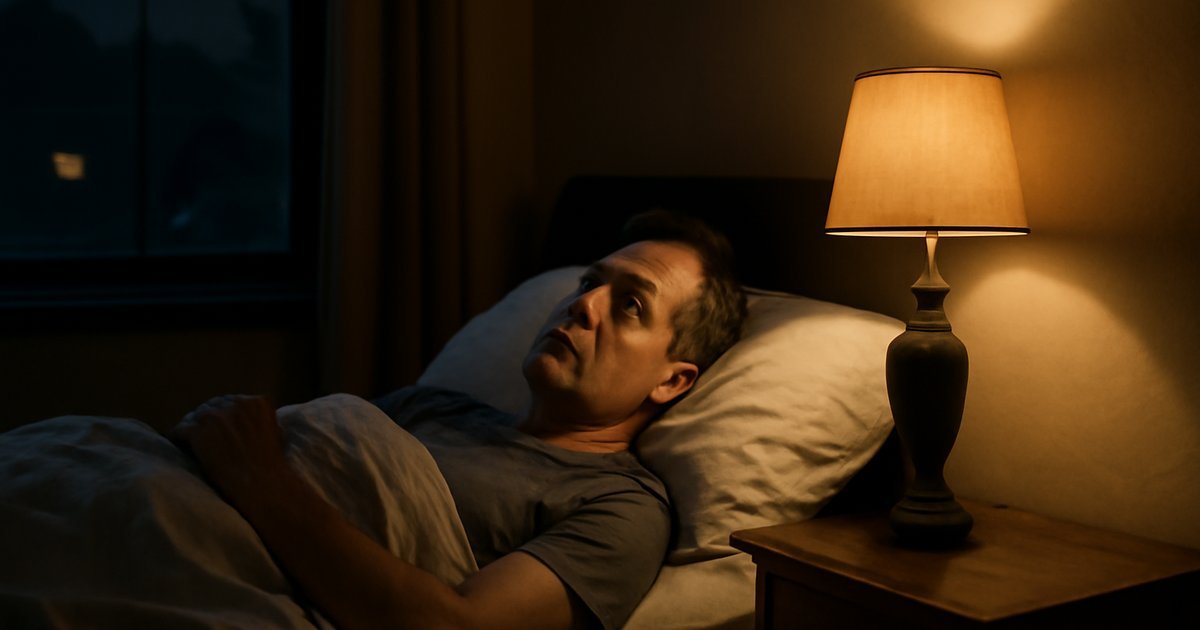
James, 58, retired two years ago and quickly discovered something no one warned him about: nights got very long, very quiet, and very hard to get through. He wasn’t depressed, exactly. He just felt disconnected — from coworkers, from routines, from people who knew his name. And every night, as soon as his head hit the pillow, his mind raced with worry, regret, and a restless kind of sadness that made sleep feel impossible.
James isn’t alone in this experience. According to the U.S. Surgeon General’s 2023 advisory on loneliness, approximately half of American adults report measurable levels of loneliness — and research consistently links that loneliness to disrupted, fragmented, and non-restorative sleep.
If you’ve ever noticed that your worst nights of sleep coincide with your most isolated days, there’s a real biological reason for that. In this guide, you’ll learn exactly how loneliness disrupts sleep, what happens in your body when you feel socially disconnected, and — most importantly — what practical, evidence-based steps you can take to start sleeping better even as you rebuild connection.
What Is the Link Between Loneliness and Sleep?
Loneliness isn’t simply about being alone. Psychologists and social neuroscientists define it as the painful gap between the social connection you have and the social connection you want. You can feel lonely in a crowded room or deeply rested and connected while living solo — the perception of social belonging is what matters most.
And that perception has a direct, measurable effect on how you sleep.
A landmark study published in the journal Sleep by researchers at the University of Chicago found that lonelier individuals experienced significantly more nighttime micro-awakenings — brief arousals from sleep that fragment rest even when total sleep time appears normal. These micro-awakenings leave you feeling exhausted in the morning even if you technically spent eight hours in bed.
The NIH has recognized social isolation as a key determinant of sleep health, noting that loneliness activates the brain’s threat-detection systems — the same systems that respond to physical danger. When your brain perceives you as socially unsafe, it keeps a portion of your nervous system on alert throughout the night, preventing the deep, restorative sleep your body needs.
This affects adults of all ages, but research from the American Psychological Association indicates the effect is particularly strong in adults between the ages of 45 and 65 — a life stage often marked by major transitions like retirement, divorce, the death of loved ones, or children leaving home.
How Loneliness Disrupts Sleep: The Science Behind It
Understanding the mechanism helps you take it seriously — and take action. Here’s what actually happens in your body when loneliness meets bedtime:
- Elevated cortisol levels: Loneliness triggers a chronic low-grade stress response. The stress hormone cortisol, which should naturally drop in the evening to allow sleep, remains elevated in people experiencing social isolation. The Mayo Clinic notes that high nighttime cortisol is one of the most common disruptions to healthy sleep architecture.
- Hypervigilance during sleep: Research from the University of Chicago Sleep Laboratory found that lonely individuals spend more time in lighter stages of sleep and less time in slow-wave (deep) sleep — because their brains remain partially alert for perceived threats throughout the night.
- Increased nighttime rumination: Without the social buffering that meaningful relationships provide, the mind turns inward — replaying worries, regrets, and unanswered questions. This rumination activates the prefrontal cortex when it should be winding down.
- Disrupted circadian rhythm: Social cues — shared meals, conversations, morning walks with a neighbor — help regulate your body clock. Without them, your circadian rhythm can drift, making it harder to feel sleepy at the right time and alert when you wake up.
- Inflammatory markers: Harvard Health Publishing has reported that chronic loneliness is associated with elevated inflammatory cytokines, which have been independently linked to poor sleep quality and insomnia symptoms.
According to a study in the journal Psychological Science, even a single night of poor sleep following a day of social rejection is enough to reduce the next day’s motivation to seek social contact — creating a vicious cycle of isolation and sleeplessness that can be very hard to break on your own.
Warning Signs: Is Loneliness Hurting Your Sleep?
It’s worth pausing to ask yourself whether this cycle might be affecting you. Common signs that loneliness is interfering with your sleep include:
- Lying awake replaying conversations or worrying about relationships
- Waking between 2 and 4 a.m. with a feeling of dread or sadness
- Feeling unrefreshed in the morning despite spending adequate time in bed
- Noticing your sleep is better on nights when you’ve had meaningful social contact
- Using screens, alcohol, or late-night eating as a way to manage nighttime loneliness
- Dreading the night itself, associating it with emotional pain rather than rest
If several of these resonate with you, it’s worth recognizing that both your sleep and your sense of connection need attention — and that addressing one will help the other.
Evidence-Based Strategies to Break the Cycle
The good news is that both loneliness and its effects on sleep respond well to targeted, consistent action. Here are practical approaches backed by clinical research:
1. Prioritize Quality Social Contact During the Day
A study published in Social Psychiatry and Psychiatric Epidemiology found that even brief, meaningful social interactions during the day — a real conversation, not a scroll through social media — reduce nighttime cortisol and improve sleep continuity. Aim for at least one genuine face-to-face or voice-to-voice interaction daily, even if it’s short.
Consider structured social commitments: a weekly walking group, a volunteer shift, a fitness class at a local gym. Structured activities reduce the psychological burden of initiating contact and make consistency easier.
2. Use Cognitive Behavioral Therapy Techniques for Nighttime Rumination
Cognitive Behavioral Therapy for Insomnia (CBT-I) is recognized by the American College of Physicians as the first-line treatment for chronic insomnia — and it directly addresses the thought patterns that loneliness fuels at night.
One core CBT-I technique is scheduled worry time: set aside 15 minutes in the early evening to write down your worries and a brief plan for each. When those thoughts surface at 2 a.m., your brain has a record that they’ve already been addressed. Many people find this interrupts the rumination loop significantly.
Another technique is stimulus control — keeping your bed exclusively for sleep and intimacy, not for scrolling, worrying, or watching television. This rebuilds the psychological association between bed and rest rather than bed and anxiety. You can learn more about sleep-disrupting patterns in our article on Sleep and Burnout: How Exhaustion Destroys Your Rest.
3. Build a Consistent Sleep Schedule — and Stick to It
Without the social cues that anchor circadian rhythms — morning conversations, shared mealtimes, evening routines with others — your body clock can become irregular. The Cleveland Clinic recommends maintaining the same wake time seven days a week as the single most powerful anchor for your circadian rhythm.
Even if you sleep poorly, resist sleeping in. Consistent wake times regulate your sleep pressure and make it easier to fall asleep the following night.
4. Address the Biology: Exercise, Light, and Evening Calm
Regular physical activity — especially moderate aerobic exercise like brisk walking — reduces inflammatory markers associated with loneliness and improves sleep quality, according to research published in Mental Health and Physical Activity. The American Heart Association recommends at least 150 minutes of moderate exercise per week, and research suggests even 20-30 minutes daily is enough to see measurable sleep benefits.
Morning light exposure — ideally outdoors within an hour of waking — helps reset your circadian rhythm and counteracts the clock drift that isolation promotes.
In the evening, practice a wind-down routine that signals safety to your nervous system: gentle stretching, a warm shower, herbal tea, or calming music. These rituals reduce cortisol and prepare your body for deep sleep. For a full guide, read our article on Anxiety and Sleep: Why Worry Keeps You Awake at Night.
5. Consider Therapy or a Support Group
Research from Johns Hopkins Medicine confirms that loneliness-related sleep disruption often requires addressing the root cause — the loneliness itself — not just the sleep symptoms. Short-term therapy, particularly CBT or Interpersonal Therapy (IPT), has been shown to reduce both loneliness and insomnia simultaneously.
Support groups — whether in person or through platforms like NAMI, AARP Connect, or church communities — provide the sense of belonging that recalibrates the brain’s threat response and allows for deeper, safer sleep.
6. Be Cautious with Alcohol and Sleep Aids
Many people experiencing loneliness and poor sleep reach for a glass of wine or an over-the-counter sleep aid to get through the night. The NIH warns that while alcohol may help you fall asleep initially, it significantly reduces REM sleep and increases nighttime awakenings — making loneliness-related sleep fragmentation worse, not better. Similarly, many OTC sleep aids cause next-day grogginess that limits your motivation to seek social contact.
Discuss any sleep aid use with your doctor rather than managing it on your own. There are safer, evidence-based short-term options your physician can recommend if needed. You might also explore how hormone balance interacts with your sleep by reading Sleep and Hormone Health: How Poor Sleep Disrupts Balance.
When to See a Doctor
While lifestyle strategies are powerful, there are times when professional support is essential. Reach out to a healthcare provider if:
- You’ve experienced sleep problems for more than three weeks despite trying consistent strategies
- Your loneliness has crossed into persistent sadness, hopelessness, or loss of interest in activities you used to enjoy — signs that may indicate clinical depression
- You’re relying on alcohol, sleeping pills, or other substances to fall asleep
- You notice symptoms of sleep apnea: loud snoring, gasping, or waking with headaches
- Your daytime functioning — driving, working, making decisions — is significantly impaired
When speaking with your doctor, be direct: tell them that you believe loneliness may be contributing to your sleep problems. Ask about a referral to a therapist specializing in CBT-I, a sleep study if apnea is suspected, and a mental health screening for depression or anxiety.
There is no shame in naming loneliness as a health concern. The U.S. Surgeon General’s office now classifies it as a public health crisis — and your doctor is equipped to help.
Frequently Asked Questions
Can loneliness physically change my sleep patterns?
Yes. Research shows that loneliness increases nighttime micro-awakenings, reduces deep slow-wave sleep, and elevates cortisol at night — all of which are measurable, physical changes to sleep architecture. Your brain literally stays more alert when it perceives social threat, making true restorative sleep harder to achieve.
Is it possible to sleep well while living alone?
Absolutely. Living alone and feeling lonely are not the same thing. Many people who live alone have rich social lives and sleep deeply and well. The research consistently shows it’s the subjective experience of disconnection — not the physical presence of others — that disrupts sleep.
How quickly can improving social connection improve my sleep?
Some research suggests sleep quality can begin improving within days of increasing meaningful social contact. However, rebuilding a full sense of social belonging may take weeks or months, especially after major life transitions. Be patient with yourself and consistent with your efforts.
Should I try melatonin for loneliness-related sleep problems?
Melatonin may help with circadian rhythm disruption — particularly if your sleep timing has shifted — but it does not address the underlying hypervigilance that loneliness creates. The Mayo Clinic recommends using melatonin cautiously and at low doses (0.5–1mg), and consulting your doctor before starting any supplement.
What if I feel lonely even though I’m surrounded by people?
This is extremely common and is known as social loneliness vs. emotional loneliness. If you feel unseen or misunderstood even in social settings, the quality of your connections matters more than the quantity. Therapy, particularly CBT or Interpersonal Therapy, can be very effective in addressing this deeper kind of disconnection.
Key Takeaways
Loneliness and poor sleep are caught in a reinforcing loop — each one making the other worse. But that loop can be broken. By understanding the biological mechanisms at work, taking deliberate steps to increase meaningful social connection, and addressing nighttime thought patterns directly, you can improve both your sense of belonging and the quality of your rest.
You don’t have to choose between tackling loneliness or fixing your sleep — addressing one naturally supports the other. Start with one small step today: reach out to someone, commit to a consistent wake time, or try a brief wind-down routine tonight. Small, consistent actions add up to real change.
And if you’re struggling beyond what lifestyle changes can address, please don’t hesitate to talk to a healthcare provider. Your sleep, your mental health, and your sense of connection all matter — and help is available.
Medical Disclaimer: This article is for informational and educational purposes only and does not constitute medical advice, diagnosis, or treatment. Always consult a qualified healthcare professional before making any health-related decisions or changing your treatment plan.
Reviewed by the Healthy Care Today Editorial Team — a group of health writers committed to evidence-based wellness content for everyday Americans.
Autor

negociosnanet001@gmail.com
Posts relacionados

Sleep and ADHD: Why You Can’t Sleep and How to Fix It
- 0
- 2.131 words
If you lie awake for hours with a racing mind, then drag yourself through the day exhausted — ADHD and sleep may...
Leia tudo
Sleep and Depression: How Poor Sleep Fuels Low Mood
- 0
- 2.007 words
Understanding the two-way relationship between sleep and depression — and the evidence-based steps that can help you break the cycle. When James,...

Sleep and Stress: How Chronic Stress Steals Your Rest
- 0
- 2.314 words
When stress follows you to bed, real sleep becomes nearly impossible — but understanding why can help you finally break the cycle....
Leia tudo
Sleep and Burnout: How Exhaustion Destroys Your Rest
- 0
- 2.193 words
If you feel too tired to sleep, too wired to relax, and too overwhelmed to function — burnout may be quietly wrecking...

Sleep and Hormone Health: How Poor Sleep Disrupts Balance
- 0
- 2.262 words
Poor sleep doesn’t just leave you tired — it quietly throws your hormones into chaos, affecting everything from your weight and mood...

Anxiety and Sleep: Why Worry Keeps You Awake at Night
- 0
- 2.361 words
If racing thoughts and a pounding heart have ever kept you staring at the ceiling past midnight, you already know the exhausting...