- 0
- 2.361 words
If racing thoughts and a pounding heart have ever kept you staring at the ceiling past midnight, you already know the exhausting connection between anxiety and sleep — and you are far from alone.
When the Mind Won’t Quiet Down at Night
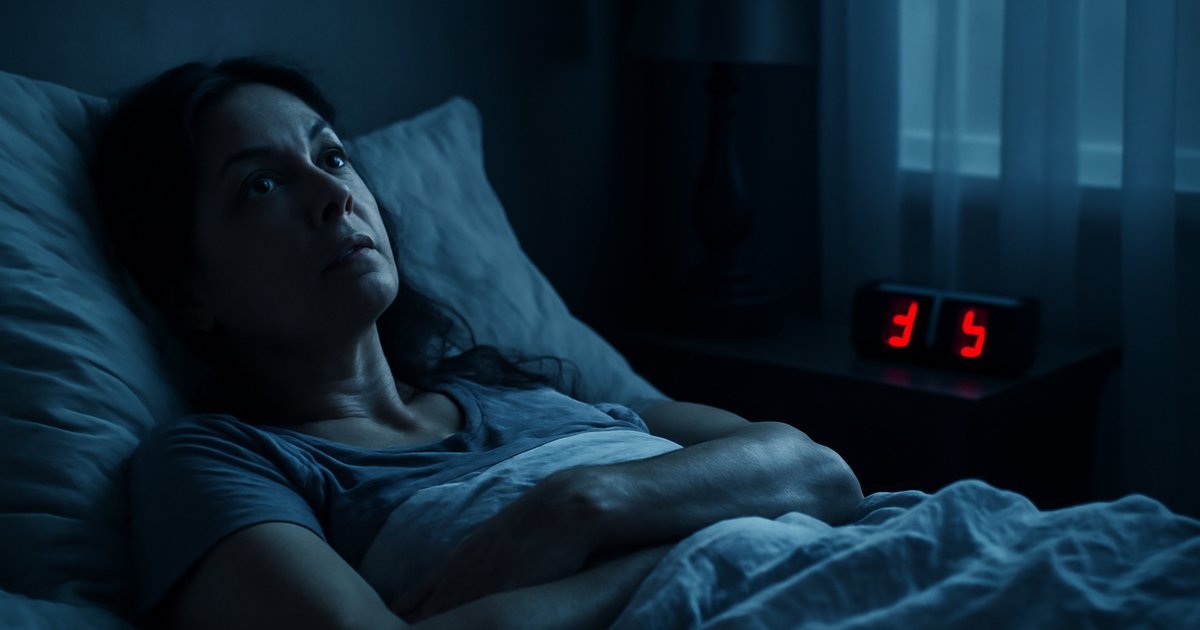
Susan, 47, had always considered herself a decent sleeper. Then a stressful period at work began bleeding into her evenings. By 10 p.m., her mind was running through tomorrow’s to-do list, replaying awkward conversations, and imagining worst-case scenarios. Night after night, she lay in bed for two hours before finally drifting off — only to jolt awake at 4 a.m., heart racing, unable to return to sleep.
Sound familiar? According to the Anxiety and Depression Association of America, anxiety disorders affect more than 40 million adults in the United States each year, making them the most common mental health condition in the country. And one of the most disruptive symptoms is not what happens during the day — it is what happens at night.
In this article, you will learn exactly how anxiety disrupts sleep, why the two conditions tend to feed each other in a vicious cycle, and — most importantly — what evidence-based strategies can help you break that cycle and finally get the rest your body and mind need.
Understanding the Anxiety-Sleep Connection
Anxiety is your body’s natural alarm system. When your brain perceives a threat — whether real or imagined — it triggers the release of stress hormones like cortisol and adrenaline. These chemicals prepare your body to fight or flee: your heart beats faster, your muscles tense, and your mind sharpens to full alert.
The problem is that your nervous system does not always know the difference between a charging predator and a looming work deadline. At bedtime, when external distractions disappear, anxious thoughts often rush in to fill the silence — and your body responds as if danger is imminent.
According to the National Institutes of Health (NIH), difficulty falling or staying asleep is one of the most frequently reported symptoms among people with generalized anxiety disorder (GAD). Research published through the NIH estimates that between 50 and 90 percent of individuals with a psychiatric disorder experience some form of sleep disturbance.
Anxiety does not just delay sleep onset. It can also:
- Fragment sleep with repeated nighttime awakenings
- Trigger vivid, distressing dreams
- Reduce the proportion of deep, restorative slow-wave sleep
- Create hyperarousal — a state where the brain stays partially alert even during sleep
The result is sleep that feels light, unrefreshing, and never quite enough — even after seven or eight hours in bed.
How Poor Sleep Makes Anxiety Worse
Here is where the cycle becomes particularly cruel. Sleep deprivation does not just follow anxiety — it actively amplifies it. Research from the University of California, Berkeley, suggests that even one night of poor sleep can increase activity in the amygdala, the brain’s emotional threat-detection center, by up to 60 percent. A sleep-deprived brain, in other words, perceives threats more intensely and recovers from stress more slowly.
That means poor sleep raises your anxiety levels, which then make it harder to sleep the following night — and so on. Many adults in midlife find themselves caught in exactly this loop without realizing that sleep is not just a symptom of their anxiety, but also one of its most powerful drivers.
Common signs that anxiety is disrupting your sleep include:
- Lying awake for more than 30 minutes before falling asleep most nights
- Waking between 2 and 4 a.m. with your mind already racing
- Feeling physically tense — clenched jaw, tight shoulders, restless legs — at bedtime
- Dreading bedtime because you anticipate another sleepless night
- Waking up feeling unrefreshed despite adequate time in bed
- Relying on alcohol, sleep aids, or screens to "turn off" your brain at night
If several of these resonate with you, your anxiety and sleep issues are likely reinforcing each other — and addressing one without the other may produce only partial relief.
Causes and Risk Factors
Not everyone who feels stressed at night develops a chronic anxiety-sleep problem. Several factors influence how vulnerable you are:
Non-modifiable risk factors:
- Genetics: The NIH notes that anxiety disorders run in families, suggesting a heritable component to stress reactivity.
- Age: Adults between 35 and 65 often face compounding stressors — career pressure, caregiving responsibilities, health concerns — that increase baseline anxiety levels.
- Biological sex: Women are roughly twice as likely as men to be diagnosed with an anxiety disorder, according to the CDC, partly due to hormonal fluctuations during perimenopause and menopause.
Modifiable risk factors:
- Caffeine intake: Consuming caffeine after 2 p.m. significantly extends the time it takes to fall asleep, even in people without anxiety.
- Screen use before bed: Blue light suppresses melatonin production; distressing content on social media or news feeds activates the stress response right before sleep.
- Irregular sleep schedule: Inconsistent bedtimes disrupt circadian rhythm, lowering the brain’s threshold for anxiety at night.
- Sedentary lifestyle: Harvard Health Publishing reports that regular physical activity reduces cortisol levels and improves sleep quality in anxious individuals.
- Alcohol use: While alcohol may initially feel sedating, it fragments sleep architecture and increases nighttime cortisol, worsening anxiety the next day.
- Untreated health conditions: Chronic pain, thyroid disorders, and sleep apnea can all mimic or worsen anxiety symptoms at night.
Evidence-Based Ways to Break the Anxiety-Sleep Cycle
The good news is that both anxiety and sleep problems respond well to targeted, evidence-based interventions. You do not have to choose between treating one or the other — the strategies below address both simultaneously.
1. Cognitive Behavioral Therapy for Insomnia (CBT-I)
CBT-I is widely considered the gold-standard first-line treatment for chronic insomnia, including insomnia driven by anxiety. The American College of Physicians and the American Academy of Sleep Medicine both recommend CBT-I over sleeping pills as a starting point. CBT-I works by identifying and restructuring the anxious thoughts and behaviors that perpetuate poor sleep — such as clock-watching, lying in bed awake for hours, or catastrophizing about tomorrow’s fatigue.
Studies consistently show CBT-I reduces both insomnia severity and anxiety symptoms. Many therapists now offer CBT-I via telehealth, and digital programs have been shown to produce meaningful improvements compared to waitlist controls.
2. Diaphragmatic Breathing and Progressive Muscle Relaxation
Slow, deep breathing activates the parasympathetic nervous system — your body’s "rest and digest" mode — counteracting the fight-or-flight state that anxiety creates at bedtime. Research from Harvard Medical School indicates that diaphragmatic breathing can measurably reduce cortisol within minutes.
Try the 4-7-8 technique: inhale for 4 seconds, hold for 7, exhale slowly for 8. Pairing this with progressive muscle relaxation — systematically tensing and releasing muscle groups from your feet upward — can further reduce physical tension before sleep. Many people who are skeptical of "relaxation techniques" report significant results within one to two weeks of consistent practice.
3. Scheduled Worry Time
This counterintuitive strategy, supported by research published through the NIH, involves setting aside 20 minutes earlier in the evening — not at bedtime — to actively write down your worries and brainstorm possible solutions. When anxious thoughts arise at bedtime, you remind yourself: "I already addressed that. My worry time is done for today."
This technique helps train your brain to contain anxiety to a bounded window rather than allowing it to expand into the entire night.
4. Consistent Sleep Scheduling and Stimulus Control
Going to bed and waking up at the same time every day — including weekends — strengthens your circadian rhythm and reduces the nighttime cortisol surges that anxiety produces. Stimulus control, a core component of CBT-I, means using your bed only for sleep and sex, not for scrolling, working, or watching television. Over time, this reassociates the bed with sleepiness rather than alertness.
5. Regular Aerobic Exercise
A meta-analysis cited by Johns Hopkins Medicine found that moderate aerobic exercise reduces anxiety symptoms and improves sleep quality in adults with anxiety disorders. Aim for at least 150 minutes of moderate-intensity movement per week — walking, cycling, swimming, or dancing all count. Timing matters: exercising within two to three hours of bedtime can be stimulating for some people, so morning or afternoon workouts may be more beneficial if you are sensitive to this effect.
For practical guidance on building a sustainable movement routine, see our article on Healthy Morning Routines That Transform Your Day After 40.
6. Limiting Stimulants and Alcohol
Cutting off caffeine by 1 or 2 p.m. and reducing alcohol to no more than one drink — or ideally none — on evenings when sleep is a priority can produce noticeable improvements within days. According to the Cleveland Clinic, alcohol reduces REM sleep and increases sleep fragmentation, leaving you more emotionally reactive the following day, which feeds directly back into anxiety.
7. Medication When Appropriate
For some people, lifestyle and behavioral interventions alone are not sufficient. Many physicians recommend selective serotonin reuptake inhibitors (SSRIs) or serotonin-norepinephrine reuptake inhibitors (SNRIs) as first-line pharmacological treatments for generalized anxiety disorder, and these medications can also improve sleep over time. Short-term use of sleep aids may be considered in certain situations. The key word is "appropriate" — medication decisions should always be made in collaboration with your healthcare provider, who can weigh your full medical history.
When to See a Doctor
Managing mild stress-related sleep disruption on your own is reasonable. But certain signs indicate that you should speak with a healthcare professional sooner rather than later:
- Sleep difficulties lasting more than three weeks despite consistent effort to improve them
- Anxiety that feels out of proportion to your circumstances or difficult to control
- Panic attacks — sudden episodes of intense fear with physical symptoms like chest tightness, shortness of breath, or dizziness
- Relying on alcohol, cannabis, or unprescribed medications to sleep
- Daytime impairment affecting your work, relationships, or driving safety
- Thoughts of self-harm or hopelessness
- Snoring loudly or gasping during sleep (which may signal sleep apnea, a separate condition that also worsens anxiety and deserves its own evaluation)
When you see your doctor, it helps to bring a brief sleep diary — noting your bedtime, estimated sleep onset, nighttime awakenings, wake time, and daytime mood — for at least one week. This gives your provider a clearer picture than memory alone. You might also ask about a referral to a therapist trained in CBT-I, a sleep study if apnea is suspected, or whether anxiety screening tools like the GAD-7 questionnaire would be appropriate.
It is also worth noting an important nuance: not every person with sleep problems has a clinical anxiety disorder, and not every anxious person has insomnia. Individual variation is significant. A thorough evaluation helps ensure you are treating the right problem in the right way — rather than assuming a one-size-fits-all solution.
If your anxiety is connected to a traumatic experience, our article on PTSD and Sleep: How Trauma Disrupts Rest and Recovery offers additional guidance specific to trauma-related sleep disruption.
Frequently Asked Questions
Can anxiety cause insomnia even if I don’t feel anxious during the day?
Yes — and this is more common than many people realize. Some individuals experience what clinicians call "nocturnal anxiety," where the quiet of bedtime removes the distractions that mask anxious thinking during the day. You may feel relatively calm during waking hours but find that worry floods in the moment your head hits the pillow. This is still anxiety, and it responds to the same evidence-based treatments.
Is it safe to take melatonin for anxiety-related sleep problems?
Melatonin can help regulate sleep timing — particularly for circadian rhythm disruptions such as shift work or jet lag — but research suggests it is less effective for anxiety-driven insomnia, which involves hyperarousal rather than a timing mismatch. Melatonin is generally considered safe for short-term use at low doses (0.5 to 3 mg), but it is not a substitute for addressing the underlying anxiety. Always check with your doctor before starting any supplement, especially if you take other medications.
Why do I wake up at 3 or 4 a.m. feeling anxious?
Early morning awakenings are a hallmark of both anxiety and depression. Cortisol — your body’s primary stress hormone — follows a natural rhythm, beginning to rise in the early morning hours to prepare you for waking. In people with elevated baseline anxiety, this cortisol surge can trigger early arousal. Addressing sleep hygiene, reducing alcohol, and working with a therapist on cognitive restructuring can all help shift this pattern over time.
Can exercise make anxiety-related insomnia worse?
For most people, regular moderate exercise improves both anxiety and sleep. However, high-intensity workouts performed within two to three hours of bedtime can raise core body temperature and adrenaline levels, delaying sleep onset in some individuals. If you notice this effect, try shifting your workouts to earlier in the day rather than eliminating exercise altogether, since the long-term benefits for anxiety and sleep are well established.
How long does it take for CBT-I to work for anxiety-related insomnia?
Most people begin to notice meaningful improvements within four to eight weeks of consistent CBT-I practice, though individual results vary. Unlike sleep medications, which may work faster initially, CBT-I produces durable changes that tend to persist long after treatment ends — making it the preferred long-term solution according to the American Academy of Sleep Medicine.
Taking Back Your Nights
Anxiety and sleep problems are deeply intertwined, but that does not mean you are stuck with either one. Understanding the cycle — and knowing that it runs in both directions — gives you real power to intervene. Whether you start with a breathing practice, a consistent sleep schedule, a therapy referral, or a conversation with your doctor, every step you take toward better sleep is also a step toward calmer days.
You deserve nights that restore you rather than exhaust you. The strategies outlined here are not quick fixes, but they are grounded in solid evidence and have helped millions of adults reclaim restful sleep — even after years of struggling. Start small, stay consistent, and do not hesitate to reach out for professional support when you need it.
For more on how rest shapes your overall well-being, explore our guide on Mindfulness for Sleep: How It Works and What to Try.
This article is for informational and educational purposes only and does not constitute medical advice, diagnosis, or treatment. Always consult a qualified healthcare professional before making any health-related decisions or changing your treatment plan.
Reviewed by the Healthy Care Today Editorial Team — a group of health writers committed to evidence-based wellness content for everyday Americans.
Autor

negociosnanet001@gmail.com
Posts relacionados

Sleep and Grief: How Loss Disrupts Rest and How to Heal
- 0
- 2.579 words
Losing someone you love changes everything — including how you sleep. Here’s what grief does to your body at night, and what...
PTSD and Sleep: How Trauma Disrupts Rest and Recovery
- 0
- 2.231 words
Trauma doesn’t stay in the past — for millions of Americans, it follows them to bed every night, stealing the rest their...
Mindfulness for Sleep: How It Works and What to Try
- 0
- 2.171 words
A practical, evidence-based guide to using mindfulness to quiet your mind, reduce nighttime anxiety, and finally get the rest your body needs....
Sleep After 40: Why It Changes and How to Sleep Better
- 0
- 2.316 words
Sleep used to come easily — now it takes longer to fall asleep, you wake at 3 a.m. for no clear reason,...
Sleep and Emotional Regulation: How Rest Builds Resilience
- 0
- 2.045 words
Your ability to manage stress, stay calm under pressure, and bounce back from setbacks may have more to do with your sleep...
Sleep and Chronic Pain: Breaking the Vicious Cycle
- 0
- 2.375 words
Understanding why pain keeps you awake — and how poor sleep makes pain worse — is the first step toward feeling better....