- 0
- 2.131 words
If you lie awake for hours with a racing mind, then drag yourself through the day exhausted — ADHD and sleep may be more connected than you realize.
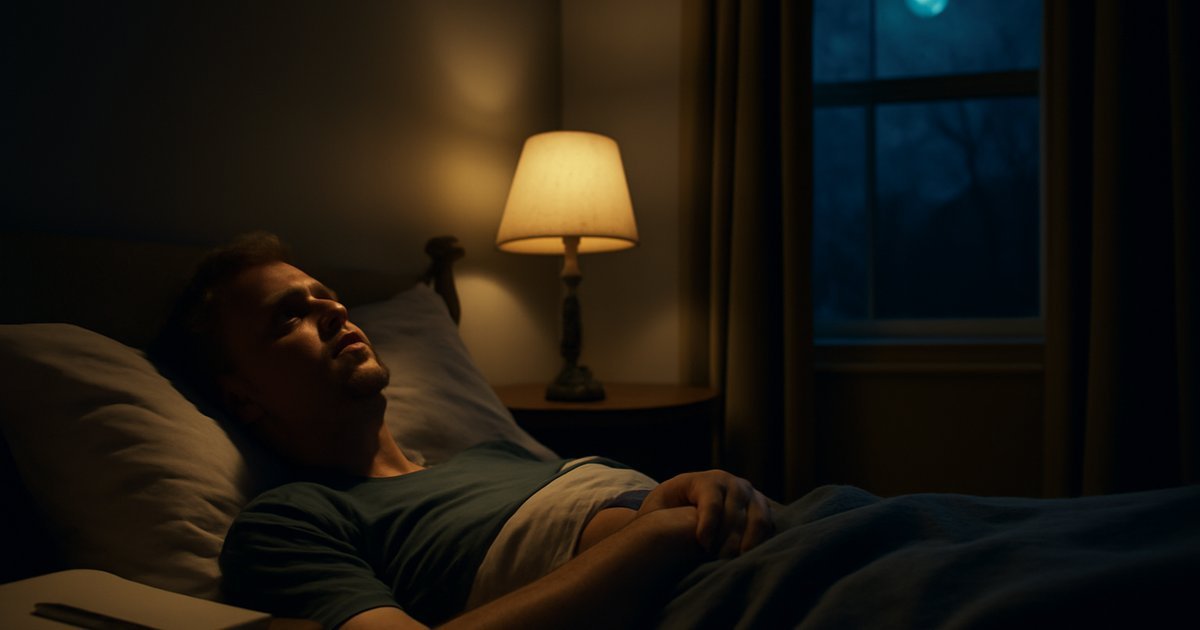
Consider James, 47, a project manager who had managed his ADHD with medication for years. He got things done at work, but every night was a battle. His mind would spin through tomorrow’s to-do list, forgotten conversations, and random ideas long after midnight. By 2 a.m., he’d finally crash — only to wake up foggy, irritable, and dreading the alarm. He assumed it was just the way he was wired.
He wasn’t wrong — but there was a lot more he could do about it.
According to the National Institutes of Health, up to 75% of people with ADHD report chronic sleep problems. Yet sleep is rarely the first thing addressed in treatment. If you live with ADHD — or suspect you might — understanding how it disrupts your rest is the first step toward real relief.
In this article, you’ll learn exactly how ADHD interferes with sleep, what the science says about why, and the evidence-based strategies that can actually help you get the rest your brain desperately needs.
What Is the ADHD-Sleep Connection?
Attention-deficit/hyperactivity disorder (ADHD) is a neurodevelopmental condition that affects focus, impulse control, and activity regulation. It’s not just a childhood diagnosis — the CDC estimates that approximately 10 million adults in the United States live with ADHD, and many weren’t diagnosed until midlife or later.
What most people don’t realize is that ADHD doesn’t clock out at bedtime. The same neurological differences that make it hard to focus during the day also disrupt the brain’s ability to wind down, fall asleep, and stay asleep at night.
Researchers have found that the ADHD brain often has dysregulated dopamine and norepinephrine systems — the same neurotransmitters involved in alertness, reward-seeking, and mood regulation. This means the brain can feel simultaneously exhausted and activated when it’s time to sleep.
The relationship runs both ways, too. Poor sleep worsens ADHD symptoms — making concentration, emotional regulation, and impulse control even harder. It becomes a self-reinforcing cycle that’s tough to break without understanding what’s happening beneath the surface.
Signs That ADHD Is Disrupting Your Sleep
Sleep problems in adults with ADHD don’t always look the way you’d expect. According to Johns Hopkins Medicine, the most common sleep-related complaints include:
- Difficulty falling asleep — Racing thoughts, mental restlessness, or simply feeling “not tired” even at midnight
- Delayed Sleep Phase — A shifted internal clock that makes you feel most alert and creative late at night and exhausted in the morning
- Frequent nighttime waking — Light, fragmented sleep that leaves you feeling unrested even after a full night in bed
- Hyperfocus at bedtime — Getting absorbed in a book, screen, or project and losing track of time entirely
- Restless legs syndrome (RLS) — Research suggests adults with ADHD are significantly more likely to experience RLS, which causes uncomfortable leg sensations that disrupt sleep
- Difficulty waking up — Extreme grogginess, multiple alarms, or feeling disoriented in the morning (sometimes called “sleep inertia”)
- Daytime sleepiness — Struggling to stay awake during meetings, driving, or after lunch despite sleeping a reasonable number of hours
A 2017 study published in the journal Sleep Medicine found that adults with ADHD were significantly more likely to experience insomnia symptoms, delayed sleep phase disorder, and poor sleep quality compared to adults without ADHD — even after controlling for anxiety and depression.
Why ADHD Makes Sleep So Hard: The Root Causes
Understanding why ADHD disrupts sleep helps you target the right solutions. There are several overlapping mechanisms at work.
Circadian rhythm dysregulation. Many adults with ADHD have what researchers describe as a delayed circadian rhythm. Their internal body clock runs later than average, making it biologically difficult to fall asleep before 1 or 2 a.m. — and equally hard to wake up at a conventional hour. According to research from the NIH, this is partly driven by delayed melatonin production in ADHD brains.
Hyperarousal of the nervous system. The ADHD nervous system tends to remain in a state of low-level activation. Even when the body is tired, the brain keeps scanning for stimulation, novelty, or unresolved problems — the neurological equivalent of leaving too many browser tabs open.
Stimulant medication timing. For many adults, ADHD medication is essential and life-changing. But stimulant medications like amphetamines and methylphenidate can interfere with sleep if taken too late in the day. The half-life of these medications means they can still be active in your system well into the evening.
Co-occurring conditions. Anxiety and depression co-occur with ADHD in roughly 50% of adults, according to the American Psychiatric Association. Both conditions independently impair sleep — and when layered on top of ADHD, they significantly compound the problem. If you want to explore how anxiety affects rest specifically, our article on sleep and stress goes deeper into that cycle.
Screen and stimulation habits. Adults with ADHD are often drawn to high-stimulation activities — scrolling, gaming, streaming — particularly in the evening hours when the brain craves engagement. Blue light and mental arousal from screens delay melatonin release, pushing sleep even later.
Evidence-Based Strategies to Improve Sleep With ADHD
The good news: sleep problems in ADHD are highly treatable. Research supports a combination of behavioral, environmental, and sometimes medical approaches. Here’s what the evidence recommends.
1. Anchor Your Wake Time (Not Just Your Bedtime)
One of the most effective strategies for resetting a delayed sleep phase is maintaining a consistent wake time — even on weekends. Harvard Health Publishing notes that a stable wake time is one of the strongest anchors for your circadian rhythm. This is often more important than when you go to bed.
2. Use Light Strategically
Morning bright light exposure — ideally 10 to 20 minutes of natural sunlight within an hour of waking — signals your brain to shift the sleep-wake cycle earlier. In the evening, dim lighting and blue-light blocking glasses or screen filters can help your brain begin producing melatonin on schedule.
3. Revisit Your Medication Timing
If you take stimulant medication, talk to your prescribing physician about timing. Many clinicians recommend taking the last dose no later than early afternoon. Some doctors may also consider switching to a non-stimulant medication like atomoxetine, which has a different side effect profile regarding sleep. Never adjust your medication schedule without guidance from your doctor.
4. Create a “Wind-Down Ritual” That Works for the ADHD Brain
Standard sleep hygiene advice — “just relax and don’t think” — often fails people with ADHD because it ignores how their brains actually work. Instead, research supports giving the ADHD brain a structured transition period of 30 to 60 minutes before bed. This might include a low-stimulation activity like light reading, a warm shower, gentle stretching, or journaling to offload racing thoughts onto paper.
5. Consider Melatonin — With Caution
Studies indicate that low-dose melatonin (0.5 to 1 mg taken 1 to 2 hours before the desired bedtime) can help shift the sleep phase in adults with ADHD. The Cleveland Clinic notes that melatonin is most effective as a timing tool rather than a sedative. Always discuss supplement use with your doctor, especially if you take other medications.
6. Address Co-Occurring Anxiety or Depression
If anxiety or depression are contributing to your sleep problems, treating those conditions alongside ADHD often produces meaningful improvements in rest. Cognitive behavioral therapy for insomnia (CBT-I) is considered the gold-standard non-medication treatment for sleep difficulties and has been adapted specifically for people with ADHD. You may also find it helpful to read our article on how poor sleep fuels low mood for deeper insight into this overlap.
7. Rule Out Sleep Apnea
Adults with ADHD have higher rates of obstructive sleep apnea than the general population, according to research published in the journal CHEST. Sleep apnea causes repeated breathing interruptions during the night that fragment sleep and worsen ADHD symptoms. If you snore, wake up with headaches, or feel unrefreshed despite sleeping enough hours, ask your doctor about a sleep study.
When to See a Doctor
Some sleep challenges can be improved with lifestyle adjustments alone, but others require professional evaluation. You should speak with your doctor or a sleep specialist if:
- You consistently take more than 45 minutes to fall asleep, regardless of what you try
- You wake frequently during the night and cannot return to sleep
- You feel chronically unrefreshed, exhausted, or mentally foggy during the day
- Your partner reports that you snore loudly, gasp, or stop breathing during sleep
- You experience uncomfortable leg sensations that disrupt your sleep
- Your ADHD symptoms seem to be getting worse despite treatment
- Sleep problems are affecting your relationships, job performance, or safety
When you see your doctor, be specific. Tell them how long it takes you to fall asleep, how many times you wake up, what time you naturally fall asleep and wake up when left to your own schedule, and how rested you feel. Ask about a referral to a sleep medicine specialist if your primary care physician isn’t familiar with ADHD-related sleep disorders.
Relevant questions to ask include: “Could I have delayed sleep phase disorder?” “Should I consider a sleep study for apnea?” and “Could my current ADHD medication be contributing to my insomnia?”
It’s also worth noting that ADHD is often underdiagnosed in adults — particularly in women and people who weren’t hyperactive as children. If you’ve struggled your whole life with sleep, focus, and emotional regulation but have never been evaluated for ADHD, that conversation is worth having with your doctor.
Frequently Asked Questions
Can ADHD cause insomnia?
Yes, research strongly suggests that ADHD is directly linked to insomnia and other sleep disorders. The neurological differences associated with ADHD — including circadian rhythm dysregulation and nervous system hyperarousal — make it biologically difficult for many people with ADHD to fall and stay asleep. Treating the underlying ADHD often improves sleep, but targeted sleep interventions are usually also needed.
Does ADHD medication make sleep worse?
It can — especially if taken too late in the day. Stimulant medications like amphetamines and methylphenidate are designed to increase alertness, and their effects can persist into the evening. However, not everyone experiences this side effect, and some people find that properly managed ADHD medication actually improves their sleep by calming the overactive mind. Talk to your prescriber about timing.
What’s the best sleep schedule for someone with ADHD?
Most sleep specialists recommend anchoring a consistent wake time every day, even if you couldn’t fall asleep until late. Over time, this helps shift the circadian rhythm earlier. Morning light exposure and evening light reduction reinforce this shift. Many adults with ADHD also find that a slightly later schedule — say, 11 p.m. to 7 a.m. — is more realistic than trying to match a conventional 10 p.m. bedtime.
Is CBT-I effective for adults with ADHD?
Yes. Cognitive behavioral therapy for insomnia (CBT-I) is widely recognized by sleep medicine organizations as the first-line treatment for chronic insomnia. Studies indicate it is effective for adults with ADHD, though it often requires some adaptation to account for the challenges of ADHD — such as difficulty with habit formation and time blindness. Working with a therapist trained in both CBT-I and ADHD yields the best results.
Can poor sleep make ADHD symptoms worse?
Absolutely. Sleep deprivation impairs the prefrontal cortex — the part of the brain responsible for executive function, impulse control, and emotional regulation. These are exactly the areas already challenged by ADHD. Research from the NIH shows that even one night of poor sleep can dramatically worsen attention, memory, and mood. This is why addressing sleep is considered a core part of comprehensive ADHD management.
The Bottom Line
If you have ADHD and struggle with sleep, you’re not failing at something simple — you’re navigating a genuinely complex neurological challenge. The ADHD brain is wired differently, and that wiring doesn’t switch off at bedtime.
The encouraging truth is that this cycle can be broken. With the right combination of behavioral strategies, environmental adjustments, medication management, and professional support, most adults with ADHD can significantly improve their sleep — and in doing so, improve every other area of their lives.
Start by having an honest conversation with your doctor about your sleep. Bring specifics. Ask questions. And remember that better sleep is not a luxury for people with ADHD — it’s one of the most powerful tools you have for managing the condition itself.
For more on how mental health and sleep intersect, explore our articles on sleep and depression and sleep and chronic stress.
Medical Disclaimer: This article is for informational and educational purposes only and does not constitute medical advice, diagnosis, or treatment. Always consult a qualified healthcare professional before making any health-related decisions or changing your treatment plan.
Reviewed by the Healthy Care Today Editorial Team — a group of health writers committed to evidence-based wellness content for everyday Americans.
Autor

negociosnanet001@gmail.com
Posts relacionados

Sleep and Depression: How Poor Sleep Fuels Low Mood
- 0
- 2.007 words
Understanding the two-way relationship between sleep and depression — and the evidence-based steps that can help you break the cycle. When James,...

Sleep and Stress: How Chronic Stress Steals Your Rest
- 0
- 2.314 words
When stress follows you to bed, real sleep becomes nearly impossible — but understanding why can help you finally break the cycle....
Leia tudo
Sleep and Loneliness: How Isolation Disrupts Your Rest
- 0
- 2.193 words
When social disconnection keeps you staring at the ceiling, your body — and your sleep — pay a real price. The Night...

Sleep and Burnout: How Exhaustion Destroys Your Rest
- 0
- 2.193 words
If you feel too tired to sleep, too wired to relax, and too overwhelmed to function — burnout may be quietly wrecking...

Sleep and Hormone Health: How Poor Sleep Disrupts Balance
- 0
- 2.262 words
Poor sleep doesn’t just leave you tired — it quietly throws your hormones into chaos, affecting everything from your weight and mood...

Anxiety and Sleep: Why Worry Keeps You Awake at Night
- 0
- 2.361 words
If racing thoughts and a pounding heart have ever kept you staring at the ceiling past midnight, you already know the exhausting...