
- 0
- 2.579 words
Losing someone you love changes everything — including how you sleep. Here’s what grief does to your body at night, and what evidence-based steps can help you find rest again.
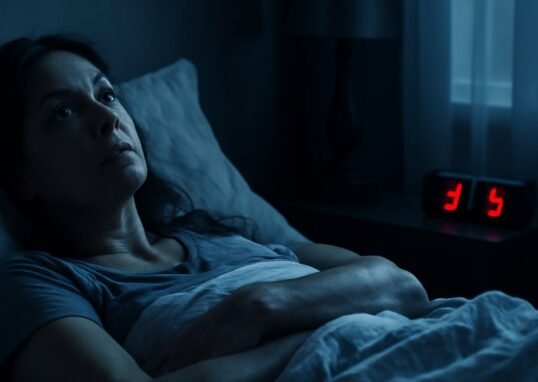
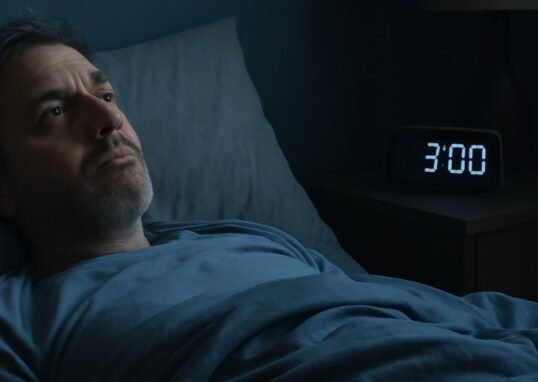
When James, 58, lost his wife of 30 years to cancer, he expected the sadness. He expected the empty chair at dinner and the silence in the house. What he didn’t expect was lying awake until 3 a.m. every night, his mind replaying conversations, his body unable to settle. “I was exhausted all the time,” he later told his doctor, “but the moment I closed my eyes, everything came rushing back.”
James’s experience is far from unusual. Grief is one of the most powerful disruptors of sleep that humans face — and yet it’s one of the least talked about. According to research published through the National Institutes of Health, bereaved adults report significantly higher rates of insomnia, frequent nighttime waking, and early morning awakening compared to non-bereaved peers.
In this guide, you’ll learn exactly what grief does to your sleep, why it happens, and — most importantly — what you can do to support genuine rest during one of life’s hardest chapters. Whether you’ve recently lost a loved one or you’re supporting someone who has, this article offers practical, compassionate, evidence-based answers.
What Is Grief-Related Sleep Disruption?
Grief-related sleep disruption is exactly what it sounds like: the significant interference with normal sleep patterns that occurs following a major loss. This isn’t just feeling sad at bedtime. It’s a neurological and physiological response that affects your brain chemistry, your stress hormones, and your body’s ability to shift into the restorative states that healthy sleep requires.
Loss can take many forms — the death of a spouse, parent, sibling, or close friend; the end of a significant relationship; or even a major life transition like retirement or serious illness diagnosis. All of these can trigger what mental health professionals call a grief response, and all of them can disrupt sleep.
According to the American Psychological Association, grief affects roughly 2.5 million Americans annually following the death of a spouse alone — and that number doesn’t account for other forms of loss. Research suggests that up to 80% of bereaved individuals experience some form of sleep disturbance in the months following a significant loss.
For adults between 35 and 65, grief-related sleep problems carry particular weight. This is the life stage when many people lose parents, deal with serious illness in their own peer group, and face their own mortality for the first time in a visceral way. The stakes — for mental health, immune function, cardiovascular health, and quality of life — are high.
How Grief Disrupts Sleep: The Science Behind It
Understanding what’s happening in your body during grief can help you feel less like something is “wrong” with you — and more like your nervous system is doing exactly what it was designed to do under extreme stress.
Here’s what grief does to your sleep biology:
- Cortisol stays elevated. Grief activates the body’s stress response, flooding your system with cortisol — the primary stress hormone. Cortisol is designed to keep you alert and vigilant. Chronically high cortisol makes it harder to fall asleep and stay asleep. Research published through Johns Hopkins Medicine indicates that bereaved individuals often show measurably higher nighttime cortisol levels compared to controls.
- The brain stays in threat-detection mode. The amygdala — your brain’s emotional alarm system — becomes hyperactive during grief. This keeps your nervous system in a low-grade fight-or-flight state, making deep, restorative sleep harder to reach.
- Intrusive thoughts and rumination surge. Many grieving people describe their mind “not shutting off” at night. This is because the prefrontal cortex, which normally moderates emotional responses, struggles to override the amygdala’s intensity during acute grief.
- REM sleep gets disrupted. Studies suggest bereaved individuals spend less time in REM sleep — the stage linked to emotional processing and memory consolidation. Ironically, REM sleep is precisely what the brain needs to process loss, creating a painful cycle.
- Dreams and nightmares increase. Many grieving people report vivid dreams or nightmares featuring the person they lost. While this can feel distressing, some grief researchers note it may be part of the brain’s attempt to process and integrate the loss.
- Circadian rhythms shift. Grief disrupts daily routines — mealtimes, activity levels, social interactions — all of which anchor your internal body clock. Without these anchors, the sleep-wake cycle can drift significantly.
A study referenced by Harvard Health Publishing found that bereaved spouses showed disrupted sleep architecture — meaning the internal structure of their sleep cycles was measurably altered — for up to 12 months after loss, particularly in those who were not receiving social support.
Risk Factors: Who Is Most Vulnerable to Grief-Disrupted Sleep
While grief disrupts sleep for most people who experience significant loss, certain factors increase your vulnerability to more severe or prolonged sleep problems.
Non-modifiable risk factors include:
- Age — older adults tend to have naturally lighter, more fragmented sleep, making them more susceptible to grief-related disruption
- Pre-existing mental health conditions, particularly anxiety or depression
- History of insomnia before the loss
- Type of loss — sudden, traumatic, or unexpected loss tends to produce more severe sleep disruption than anticipated loss
- Loss of a primary attachment figure, such as a spouse or long-term partner
Modifiable risk factors — areas where you have real influence — include:
- Social isolation after loss (limited support network significantly worsens sleep outcomes)
- Alcohol or sedative use as a coping mechanism — these may seem to help short-term but are known to suppress REM sleep and worsen insomnia over time, according to the National Institute on Alcohol Abuse and Alcoholism
- Complete disruption of daily routine and structure
- Lack of access to grief counseling or mental health support
- Excessive screen use or news consumption at bedtime
It’s also worth knowing that what clinicians call “complicated grief” — now formally recognized as Prolonged Grief Disorder in the DSM-5 — is associated with significantly worse sleep outcomes and affects an estimated 7-10% of bereaved individuals, according to research supported by the National Institutes of Health. If grief feels unrelenting and is severely interfering with your daily function months after the loss, professional support is not just helpful — it’s essential.
Evidence-Based Ways to Support Sleep During Grief
There is no shortcut through grief, and no sleep strategy will eliminate the pain of loss. But there are meaningful, evidence-supported steps you can take to support your body’s ability to rest — even in the hardest of times.
1. Protect Your Sleep Schedule (Even Imperfectly)
Your circadian rhythm — your internal body clock — depends on consistent timing signals. Even during grief, try to wake up at roughly the same time each day. You don’t have to go to bed at the same time every night, but maintaining a consistent wake time helps anchor your sleep-wake cycle. The Cleveland Clinic notes that circadian regularity is one of the most powerful tools for stabilizing disrupted sleep.
2. Create a Gentle Transition to Bedtime
Your nervous system needs a wind-down signal that it’s safe to lower its guard. A simple 20-30 minute pre-bed routine — a warm shower, light reading, gentle stretching, or quiet music — can help shift your brain from hypervigilance to rest-readiness. For more ideas on building this kind of routine, the practices outlined in Mindfulness for Sleep: How It Works and What to Try offer practical options that many grieving adults have found genuinely helpful.
3. Use Cognitive Behavioral Techniques for Nighttime Rumination
When intrusive thoughts hit at night, research strongly supports structured techniques rather than fighting the thoughts directly. Cognitive Behavioral Therapy for Insomnia (CBT-I) — endorsed by the American College of Physicians as a first-line treatment for chronic insomnia — includes tools like sleep restriction therapy, stimulus control, and cognitive restructuring that work even when insomnia is grief-related. A therapist trained in CBT-I can guide you through these techniques. Some people also find that keeping a dedicated “worry journal” before bed — writing thoughts down with a promise to address them tomorrow — reduces nighttime mind-racing.
4. Limit Alcohol, Even When It Feels Like It Helps
Many grieving people reach for a glass of wine or a nightcap to quiet the noise in their head. It’s understandable. But research consistently shows that alcohol disrupts REM sleep and increases nighttime awakening in the second half of the night. Over time, it also worsens anxiety and depression — both of which are intertwined with grief. The Mayo Clinic advises avoiding alcohol within three hours of bedtime, even in moderate amounts.
5. Seek Social Connection Deliberately
Social support is one of the most powerful buffers against grief-related sleep disruption. Studies suggest that bereaved individuals with strong social networks have measurably better sleep outcomes than those who grieve in isolation. This doesn’t mean forcing yourself to socialize when you don’t have the energy — even a phone call, a support group meeting, or regular check-ins with a trusted friend can make a meaningful difference. If you’re navigating a loss while managing other health concerns, the insights in Social Health After 40: Habits That Boost Well-Being may offer useful perspective on why connection matters so much during difficult seasons.
6. Consider Brief, Targeted Professional Support
Grief therapy, whether individual or group-based, has demonstrated measurable benefits for sleep quality in bereaved adults. Research cited by the National Institute of Mental Health shows that grief-focused psychotherapy can reduce insomnia severity, lower cortisol levels, and improve overall functioning. You don’t need to be in crisis to benefit — even 6-8 sessions with a licensed grief counselor can provide tools that significantly improve sleep.
7. Use Light Strategically
Natural light in the morning — ideally within 30-60 minutes of waking — is one of the strongest signals for resetting your circadian rhythm. Getting outside, even briefly, can help stabilize the sleep-wake cycle that grief tends to dismantle. Conversely, limiting bright artificial light in the 90 minutes before bed helps your brain begin producing melatonin on schedule.
When to See a Doctor About Grief and Sleep
It’s normal for sleep to be disrupted for weeks — or even a few months — following a significant loss. But there are clear signs that your situation warrants professional attention sooner rather than later.
See your doctor or a mental health professional if:
- Sleep disruption is severe and has lasted more than 4-6 weeks with no improvement
- You’re relying on alcohol or sedatives to sleep most nights
- You’re experiencing thoughts of self-harm or feel you cannot go on without the person you lost
- You’re unable to function at work or manage basic daily responsibilities
- Your grief feels as intense at 6 months as it did in the first weeks — this may indicate Prolonged Grief Disorder, which is treatable
- You’re experiencing physical symptoms like chest pain, heart palpitations, or unexplained exhaustion that may be related to sleep deprivation compounding other health issues
What to tell your doctor: Be specific. Tell them when the sleep problems started, how many hours you’re sleeping, how often you wake up, and whether your sleep troubles are linked to loss. Ask specifically about CBT-I referrals, grief counseling, and whether a short-term sleep aid might be appropriate for your situation.
What to ask about: You may want to ask your doctor about a referral to a therapist trained in grief work or CBT-I, whether a sleep study is warranted (to rule out sleep apnea, which can be worsened by weight changes or physical stress), and what the risks and benefits of short-term sleep medication are in your specific case. If grief has also impacted your overall emotional health in ways that affect your daily functioning, the connection explained in PTSD and Sleep: How Trauma Disrupts Rest and Recovery may help you better understand what to discuss with your provider.
Frequently Asked Questions
How long does grief-related insomnia typically last?
For most people, the worst sleep disruption occurs in the first 1-3 months following a loss and gradually improves as the grief process progresses and daily routines are re-established. However, research suggests meaningful sleep disruption can persist for up to 12 months in some individuals, particularly those who were very close to the person they lost or who lack strong social support. If your insomnia shows no improvement after 4-6 weeks, it’s worth talking to a healthcare provider.
Is it okay to take sleep medication when grieving?
Short-term use of sleep aids — whether prescription or over-the-counter — may be appropriate in some situations, particularly if severe sleep deprivation is significantly impairing your ability to function. However, many physicians recommend that medication be used cautiously, for the shortest time necessary, and alongside behavioral strategies rather than as a replacement for them. Always discuss options with your doctor, as some sleep medications interact with other conditions or medications and carry their own risks.
Why do I keep dreaming about the person I lost?
Dreaming about a deceased loved one — sometimes called “visitation dreams” — is extremely common during grief. Grief researchers suggest these dreams may reflect the brain’s attempt to process the loss and integrate the absence of someone who was deeply embedded in your daily mental life. While these dreams can feel unsettling, many bereaved people also describe them as comforting over time. If nightmares are frequent, vivid, and causing significant distress, discuss this with a mental health professional.
Can grief cause physical exhaustion even when I’m sleeping?
Yes. Grief is physically taxing. Even when you manage to sleep, the elevated stress hormones, emotional processing demands, and immune system changes associated with grief can leave you feeling profoundly fatigued. Research indicates that bereaved individuals show measurable immune dysregulation, which contributes to the sense of physical depletion many describe. This is a real physiological response — not weakness or “falling apart.”
Is it normal to feel worse at night when grieving?
Absolutely. Many grieving people report that the nighttime hours are the hardest. During the day, activity and social interaction provide distraction and structure. At night, when those buffers disappear and the house goes quiet, the full weight of loss tends to surface. This is a well-documented pattern in grief research and one reason why building a consistent, gentle pre-sleep routine can be so valuable — it gives your nervous system a structured transition rather than an abrupt encounter with silence.
Finding Your Way Back to Rest
Grief is not a problem to be solved — it’s a profound human experience that takes time, support, and patience to move through. But your sleep matters enormously during this process. Without adequate rest, your emotional resilience erodes, your physical health suffers, and the grief itself becomes harder to bear.
The steps outlined here — from protecting your sleep schedule to seeking professional support — aren’t about rushing through grief or “getting back to normal.” They’re about giving your body the best possible conditions to do what it’s designed to do: heal. Small, consistent actions add up. You don’t have to do everything at once.
Please remember that asking for help — from a doctor, a therapist, a grief group, or a trusted friend — is not a sign of weakness. It’s one of the most effective things you can do for your health during one of life’s hardest chapters.
This article is for informational and educational purposes only and does not constitute medical advice, diagnosis, or treatment. Always consult a qualified healthcare professional before making any health-related decisions or changing your treatment plan.
Reviewed by the Healthy Care Today Editorial Team — a group of health writers committed to evidence-based wellness content for everyday Americans.
Autor

negociosnanet001@gmail.com
Posts relacionados
Anxiety and Sleep: Why Worry Keeps You Awake at Night
- 0
- 2.361 words
If racing thoughts and a pounding heart have ever kept you staring at the ceiling past midnight, you already know the exhausting...
PTSD and Sleep: How Trauma Disrupts Rest and Recovery
- 0
- 2.231 words
Trauma doesn’t stay in the past — for millions of Americans, it follows them to bed every night, stealing the rest their...

Mindfulness for Sleep: How It Works and What to Try
- 0
- 2.171 words
A practical, evidence-based guide to using mindfulness to quiet your mind, reduce nighttime anxiety, and finally get the rest your body needs....

Sleep After 40: Why It Changes and How to Sleep Better
- 0
- 2.316 words
Sleep used to come easily — now it takes longer to fall asleep, you wake at 3 a.m. for no clear reason,...

Sleep and Emotional Regulation: How Rest Builds Resilience
- 0
- 2.045 words
Your ability to manage stress, stay calm under pressure, and bounce back from setbacks may have more to do with your sleep...

Sleep and Chronic Pain: Breaking the Vicious Cycle
- 0
- 2.375 words
Understanding why pain keeps you awake — and how poor sleep makes pain worse — is the first step toward feeling better....