- 0
- 2.344 words
Struggling to manage your weight despite eating well and exercising? The answer might be hiding in your bedroom — and it has nothing to do with your diet.
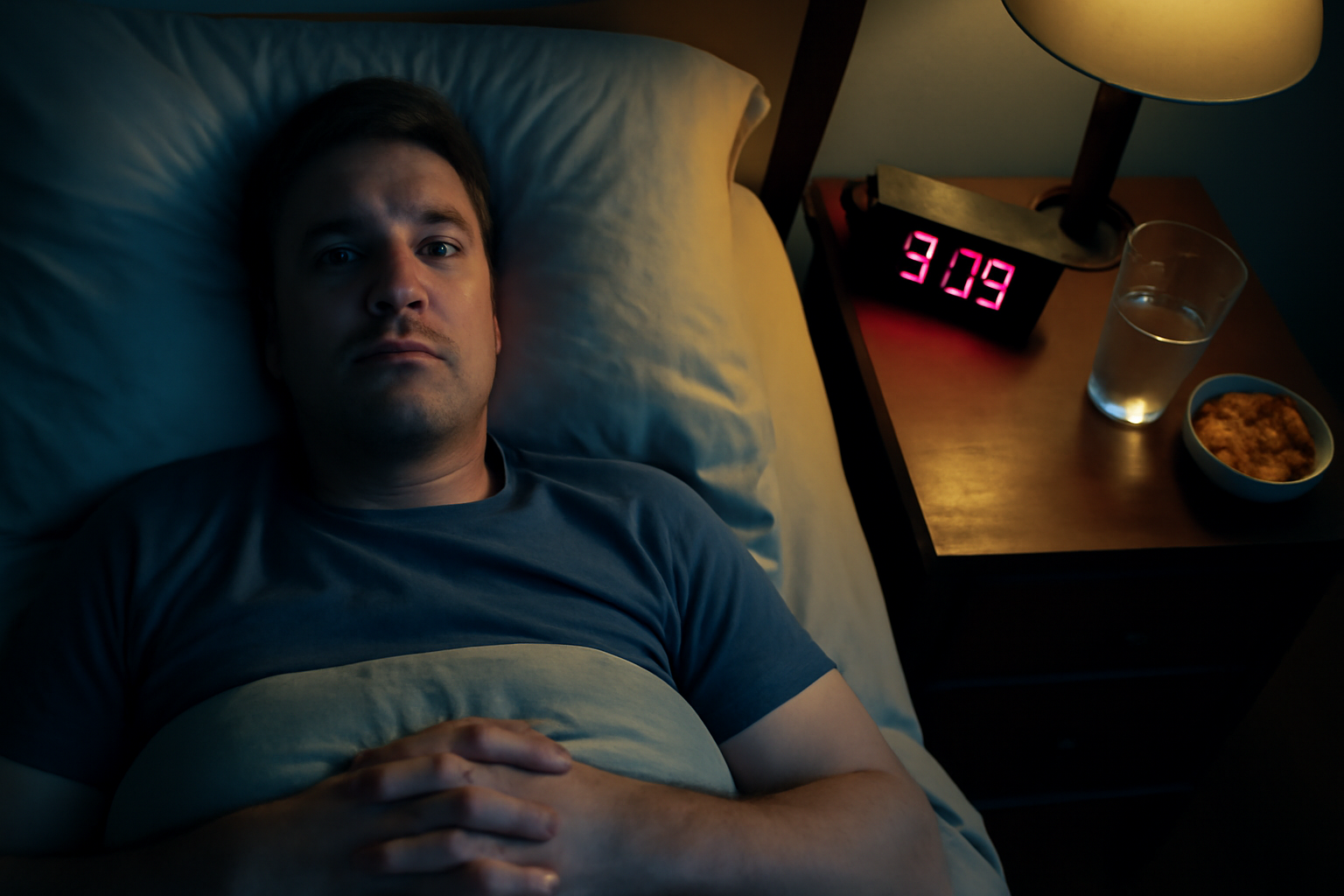
James, 48, had been trying to lose the same 20 pounds for three years. He tracked his calories, hit the gym four times a week, and avoided fast food. But nothing seemed to work. It wasn’t until his doctor asked about his sleep habits that the real picture emerged: James was averaging just five and a half hours of sleep a night, going to bed late, and waking up groggy and hungry every single morning.
His doctor explained something James had never considered — that chronic sleep deprivation was quietly working against every healthy choice he made during the day.
If you’ve been doing everything “right” but still struggling with your weight, poor sleep and weight gain may be more connected than you think. In this article, you’ll learn exactly how sleep affects your metabolism, hunger hormones, food choices, and long-term health — and what you can do about it starting tonight.
What Is the Sleep-Weight Connection?
The relationship between sleep and weight gain isn’t just a casual observation — it’s backed by decades of research in metabolic science and endocrinology. When you don’t get enough quality sleep, your body undergoes a cascade of hormonal and physiological changes that make it harder to maintain a healthy weight.
According to the National Institutes of Health, adults who consistently sleep fewer than seven hours per night are significantly more likely to have higher body mass indexes (BMIs) and develop obesity over time compared to those who sleep seven to nine hours.
Sleep isn’t just rest. It’s an active biological process during which your body regulates hormones, repairs tissues, processes memories, and resets your appetite system. When that process is cut short or disrupted, you don’t just feel tired — your entire metabolic environment shifts in ways that promote fat storage, increased hunger, and reduced calorie burning.
This matters especially for adults between 35 and 65, a life stage when metabolism naturally begins to slow and hormonal changes — from perimenopause to declining testosterone — already make weight management more challenging. Adding chronic poor sleep into that equation can make an uphill battle feel nearly impossible.
How Sleep Deprivation Disrupts Hunger Hormones
Two hormones sit at the center of the sleep-appetite relationship: ghrelin and leptin. Understanding what they do — and what happens when sleep throws them off balance — helps explain why you feel ravenous after a bad night’s rest.
- Ghrelin is your hunger hormone. It signals your brain that it’s time to eat. When you’re sleep-deprived, ghrelin levels rise, making you feel hungrier than usual — even if you’ve eaten enough calories.
- Leptin is your satiety hormone. It tells your brain you’re full and should stop eating. Sleep deprivation suppresses leptin, meaning your brain stops receiving that “I’m satisfied” signal at the right time.
A landmark study published by researchers at the University of Chicago found that just two nights of restricted sleep (four hours per night) led to a 24% increase in hunger and a nearly 23% increase in appetite for high-calorie, carbohydrate-rich foods. Participants weren’t just a little hungrier — they craved chips, cookies, and candy far more than fruits or vegetables.
This hormonal disruption is involuntary. You can’t willpower your way out of a ghrelin surge. That’s why telling someone who’s chronically sleep-deprived to “just eat less” often doesn’t work — their biology is actively working against them.
Research also suggests that sleep loss increases levels of endocannabinoids — the same compounds activated by cannabis — which heighten food pleasure and drive snacking behavior, particularly in the late evening hours when you’re more likely to be awake and reaching for high-calorie foods.
The Metabolic Impact: What Happens to Your Body Overnight
Beyond hunger hormones, poor sleep directly disrupts how your body processes energy, stores fat, and responds to insulin.
Insulin sensitivity takes a hit. Even one week of sleeping fewer than six hours per night can reduce insulin sensitivity by up to 30%, according to research highlighted by Harvard Health Publishing. This means your cells become less responsive to insulin, so your pancreas has to produce more to move glucose out of your bloodstream. Over time, this pattern increases your risk for type 2 diabetes — and in the shorter term, it promotes fat storage, particularly around the abdomen.
Your resting metabolism slows. Sleep is when your body invests energy in repair and restoration. When sleep is fragmented or too short, this process is incomplete — and studies suggest that sleep-deprived individuals burn fewer calories at rest than well-rested people performing the same activities.
Cortisol rises and stays elevated. Poor sleep triggers the release of cortisol, your body’s primary stress hormone. Chronically elevated cortisol promotes fat accumulation in the abdominal region, breaks down muscle tissue, and drives sugar cravings. The Cleveland Clinic notes that high cortisol is one of the key mechanisms linking both chronic stress and sleep deprivation to visceral fat gain — the dangerous kind of fat that wraps around internal organs.
For adults already navigating midlife hormonal shifts, this triple threat — disrupted insulin sensitivity, slower metabolism, and elevated cortisol — can create a feedback loop that makes sustained weight management genuinely difficult without addressing sleep first.
Sleep Loss and Poor Food Choices: It’s Not Just Willpower
One of the most striking discoveries in sleep research is how profoundly a bad night’s rest impairs the part of your brain responsible for decision-making and impulse control.
The prefrontal cortex — which governs rational thinking and self-regulation — becomes less active with sleep deprivation. At the same time, the brain’s reward centers become hyperactivated. The result: you become more impulsive, more easily tempted by food cues, and less able to stick to healthy intentions.
A study from UC Berkeley using brain imaging found that sleep-deprived individuals showed significantly increased activity in the brain’s reward regions when shown images of unhealthy foods — and a weakened response to those same cues when well-rested. Put simply, junk food looks and feels more appealing when you’re tired, and your brain has less capacity to talk you out of it.
This also plays out in portion sizes and meal timing. Sleep-deprived adults tend to eat larger portions, skip breakfast, eat later at night, and consume more overall calories — not because they’re weak-willed, but because their neurobiology is steering them in that direction.
If you’ve ever found yourself raiding the pantry at 11 p.m. after a sleepless night, this is why. You can also explore how mindful eating strategies can help you build more awareness around these moments and create healthier patterns even when sleep isn’t perfect.
Evidence-Based Strategies to Improve Sleep and Support Healthy Weight
The good news: improving your sleep quality doesn’t require medication or dramatic lifestyle overhauls. Research supports several practical, accessible strategies that can meaningfully improve both sleep and metabolic health.
1. Prioritize sleep duration as a health goal. The American Academy of Sleep Medicine recommends seven to nine hours per night for adults. Treat sleep with the same seriousness as diet and exercise — block out time for it, protect it from screens and late commitments, and resist the cultural myth that less sleep equals more productivity.
2. Maintain a consistent sleep schedule. Going to bed and waking up at the same time every day — including weekends — anchors your circadian rhythm (your body’s internal 24-hour clock). A stable circadian rhythm improves sleep quality, supports cortisol regulation, and helps normalize hunger hormones. According to Johns Hopkins Medicine, irregular sleep schedules are independently associated with increased metabolic risk.
3. Reduce light exposure before bed. Blue light from phones, tablets, and TVs suppresses melatonin production — the hormone that signals your body it’s time to sleep. Aim to dim screens at least 60 to 90 minutes before bed. Use night mode or blue-light-blocking glasses if total screen avoidance isn’t realistic.
4. Watch late-night eating habits. Eating large meals or high-sugar snacks close to bedtime elevates blood sugar, raises body temperature, and disrupts the hormonal environment needed for deep sleep. Try to finish your last substantial meal at least two to three hours before you plan to sleep.
5. Move your body — but time it right. Regular physical activity improves sleep quality, reduces cortisol, and supports metabolic health. However, vigorous exercise within two hours of bedtime can be stimulating for some people and delay sleep onset. Morning or early-afternoon exercise tends to offer the most sleep benefit. If you’re looking to build an exercise habit, our guide on strength training after 40 is a great starting point.
6. Manage stress actively. Because cortisol is a shared mechanism between stress and sleep disruption, reducing daytime stress has direct overnight benefits. Practices like mindfulness meditation, deep breathing, journaling, or gentle yoga in the evening have been shown in multiple studies to improve both sleep onset and sleep quality.
7. Evaluate your sleep environment. A cool, dark, and quiet room optimizes conditions for restorative sleep. The Mayo Clinic recommends keeping bedroom temperatures between 60 and 67°F (15 to 19°C) for most adults. Blackout curtains, white noise machines, and removing electronics from the bedroom can also make a measurable difference.
When to See a Doctor
Sometimes poor sleep isn’t just a matter of habits — it’s a sign of an underlying condition that requires professional evaluation. Don’t dismiss chronic sleep problems as “just stress” or something you have to live with.
See your doctor if you experience:
- Difficulty falling or staying asleep more than three nights per week for longer than three months
- Loud snoring, gasping, or being told you stop breathing during sleep — these are hallmark signs of sleep apnea, a condition strongly linked to weight gain, heart disease, and diabetes
- Excessive daytime sleepiness even after a full night of sleep
- Unexplained weight gain despite consistent healthy habits
- Waking up unrefreshed most mornings
- Mood disturbances, anxiety, or depression that worsen alongside poor sleep
When you speak with your doctor, be prepared to share how many hours you sleep, how long it takes to fall asleep, whether you wake during the night, and any symptoms your partner may have observed. Your doctor may refer you for a sleep study (polysomnography) to rule out sleep apnea or other sleep disorders.
Treatments like Cognitive Behavioral Therapy for Insomnia (CBT-I) have strong clinical evidence behind them and are now considered a first-line treatment by the American College of Physicians. You can also learn more about the broader connection between sleep disorders and mental health on our site.
If you’re dealing with hormonal changes related to menopause, thyroid dysfunction, or other conditions, these may also be contributing to both sleep disruption and weight changes — and deserve specific attention from your healthcare provider.
Frequently Asked Questions
Q: Can catching up on sleep on weekends offset the effects of poor sleep during the week?
Research suggests that “sleep debt” isn’t easily repaid with weekend sleep-ins. While a couple of extra hours may help you feel better temporarily, studies from the University of Colorado found that weekend recovery sleep does not fully reverse the metabolic damage caused by weekday sleep restriction, including insulin resistance and increased calorie intake.
Q: How much weight can poor sleep actually cause me to gain?
The amount varies by individual, but research indicates that sleep-deprived adults consume an average of 270 to 385 extra calories per day compared to well-rested adults. Over the course of weeks and months, this caloric surplus can translate to meaningful weight gain — even without any changes in intentional eating habits.
Q: Does improving sleep actually lead to weight loss?
Improving sleep quality and duration has been shown to improve insulin sensitivity, normalize hunger hormones, reduce cortisol, and decrease caloric intake — all of which support a healthier weight. A study from the University of Chicago found that extending sleep in habitually short sleepers reduced calorie intake by an average of 270 calories per day. Sleep alone isn’t a weight-loss strategy, but it’s a critical foundation for one.
Q: Are sleep aids or supplements safe for managing sleep-related weight issues?
Over-the-counter sleep aids and supplements like melatonin may offer short-term relief in specific situations, but they don’t address the root causes of poor sleep. Many physicians caution against relying on sleep medications long-term due to risks of dependency and side effects. Behavioral strategies and professional evaluation are generally the safest and most effective first steps.
Q: Is there a connection between sleep apnea and weight gain?
Yes — and it goes both ways. Excess weight, particularly around the neck and upper airway, increases the risk of sleep apnea. And sleep apnea itself — by fragmenting sleep and spiking cortisol — promotes further weight gain. Treating sleep apnea with CPAP therapy has been associated with improvements in energy, activity levels, and metabolic function, according to the American Academy of Sleep Medicine.
The Bottom Line
If you’ve been fighting your weight while ignoring your sleep, you may be missing one of the most powerful levers in your metabolic health. Poor sleep and weight gain are not loosely correlated — they are mechanistically linked through hunger hormones, cortisol, insulin sensitivity, and brain function in ways that science has documented clearly.
The encouraging truth is that sleep is a modifiable factor. Small, consistent improvements in sleep duration and quality can shift your hormones, reduce cravings, improve your decision-making, and support a healthier weight — without a new diet or a gym membership.
Start with one change tonight: a consistent bedtime, a screen-free wind-down, or a cooler bedroom. And if you suspect a deeper sleep issue, don’t wait — talk to your doctor. Your weight, your metabolism, and your overall health may depend on it more than you realize.
This article is for informational and educational purposes only and does not constitute medical advice, diagnosis, or treatment. Always consult a qualified healthcare professional before making any health-related decisions or changing your treatment plan.
Reviewed by the Healthy Care Today Editorial Team — a group of health writers committed to evidence-based wellness content for everyday Americans.
Autor

negociosnanet001@gmail.com
Posts relacionados

Anxiety and Sleep: Why Worry Keeps You Awake at Night
- 0
- 2.361 words
If racing thoughts and a pounding heart have ever kept you staring at the ceiling past midnight, you already know the exhausting...

Sleep and Grief: How Loss Disrupts Rest and How to Heal
- 0
- 2.579 words
Losing someone you love changes everything — including how you sleep. Here’s what grief does to your body at night, and what...

PTSD and Sleep: How Trauma Disrupts Rest and Recovery
- 0
- 2.231 words
Trauma doesn’t stay in the past — for millions of Americans, it follows them to bed every night, stealing the rest their...

Mindfulness for Sleep: How It Works and What to Try
- 0
- 2.171 words
A practical, evidence-based guide to using mindfulness to quiet your mind, reduce nighttime anxiety, and finally get the rest your body needs....

Sleep After 40: Why It Changes and How to Sleep Better
- 0
- 2.316 words
Sleep used to come easily — now it takes longer to fall asleep, you wake at 3 a.m. for no clear reason,...

Sleep and Emotional Regulation: How Rest Builds Resilience
- 0
- 2.045 words
Your ability to manage stress, stay calm under pressure, and bounce back from setbacks may have more to do with your sleep...