- 0
- 2.243 words
Understanding COPD can help you breathe easier, stay active longer, and take real control of your lung health.
When Robert, 61, started getting winded just walking to the mailbox, he chalked it up to getting older. After all, he had smoked for nearly 20 years — but he had quit a decade ago, so he figured he was in the clear. It wasn’t until a routine checkup revealed significantly reduced lung function that he learned the truth: he had chronic obstructive pulmonary disease, or COPD.
Robert’s story is far from unique. According to the Centers for Disease Control and Prevention (CDC), more than 16 million Americans have been diagnosed with COPD — and millions more likely have it without knowing. It remains one of the leading causes of death in the United States, yet it is frequently underdiagnosed and undertreated.
If you or someone you love is dealing with persistent coughing, shortness of breath, or frequent respiratory infections, this guide is for you. You’ll learn what COPD actually is, how to recognize its symptoms, what puts you at risk, and — most importantly — what evidence-based steps you can take to manage it and protect your quality of life.
What Is COPD? Understanding the Basics
COPD, or chronic obstructive pulmonary disease, is an umbrella term for a group of progressive lung diseases that block airflow and make breathing increasingly difficult over time. The two most common conditions under the COPD umbrella are emphysema and chronic bronchitis — and many people have both simultaneously.
In emphysema, the tiny air sacs in your lungs (called alveoli) are gradually destroyed, reducing the surface area available for oxygen exchange. In chronic bronchitis, the airways become chronically inflamed and produce excess mucus, making it harder to breathe and easier for infections to take hold.
What makes COPD particularly challenging is its progressive nature. The NIH’s National Heart, Lung, and Blood Institute notes that while COPD cannot be fully reversed, its progression can be significantly slowed with the right treatment and lifestyle changes. The damage accumulates over years — often decades — which is why most people aren’t diagnosed until their 40s or 50s, long after the disease has had time to develop.
COPD affects men and women roughly equally, though research suggests that women may be more susceptible to lung damage from tobacco smoke and environmental pollutants. It disproportionately affects people in rural areas and those with lower socioeconomic status, where exposure to occupational hazards and limited healthcare access are more common.
Signs and Symptoms of COPD to Watch For
One of the most frustrating aspects of COPD is that its early symptoms are easy to dismiss. Many people assume that a persistent morning cough or occasional breathlessness is just a normal part of aging. By the time symptoms become severe enough to prompt a doctor visit, significant lung damage may already have occurred.
Here are the most common symptoms associated with COPD:
- Shortness of breath, especially during physical activity — often described as not being able to get enough air
- Chronic cough that produces mucus (clear, white, yellow, or greenish)
- Wheezing — a whistling or squeaky sound when breathing
- Chest tightness or a feeling of pressure
- Frequent respiratory infections such as colds, bronchitis, or pneumonia
- Fatigue and low energy, even with minimal exertion
- Cyanosis — a bluish tint to lips or fingernails in more advanced cases
- Unintended weight loss and muscle weakness in later stages
A key clinical finding to be aware of: a study published in the journal CHEST found that more than half of COPD patients reported that breathlessness limited their daily activities, yet many had not discussed this symptom with their doctor. If you find yourself avoiding activities you used to enjoy because you get winded, that’s a signal worth discussing with a healthcare provider.
COPD also comes with episodes called exacerbations — sudden flare-ups where symptoms worsen significantly, often triggered by respiratory infections or air pollution. These flare-ups can be dangerous and are a leading reason for COPD-related hospitalizations.
Causes and Risk Factors for COPD
While tobacco smoking remains the leading cause of COPD in the United States — accounting for as many as 85% of cases according to the American Lung Association — it’s not the only culprit. Understanding your personal risk profile can help you take targeted preventive action.
Modifiable risk factors (things you can change):
- Smoking: Both current and former smokers are at elevated risk. The longer and more heavily you smoked, the greater your risk.
- Secondhand smoke exposure: Long-term exposure significantly increases risk, especially in childhood.
- Occupational dust and chemicals: Working with coal dust, grain dust, isocyanates, or chemical fumes over many years raises COPD risk considerably.
- Indoor air pollution: In some parts of the world, cooking with biomass fuels is a major driver. In the US, poor ventilation and mold exposure are relevant concerns.
- Outdoor air pollution: Long-term exposure to polluted air contributes to lung decline over time.
Non-modifiable risk factors (things outside your control):
- Age: COPD typically develops in people over 40, and risk increases with age.
- Genetics: A rare genetic condition called alpha-1 antitrypsin deficiency significantly increases COPD risk, even in non-smokers.
- Lung development: People who had low birth weight, childhood respiratory infections, or asthma may have reduced lung capacity that raises their susceptibility.
- Sex: Research suggests women’s lungs may be more vulnerable to the effects of tobacco smoke compared to men’s.
It’s also worth noting that having asthma and smoking significantly multiplies your COPD risk — a combination that Johns Hopkins Medicine has identified as one of the strongest predictors of rapid lung function decline.
Evidence-Based Treatment Options for COPD
There’s no cure for COPD, but a wide range of treatments can meaningfully reduce symptoms, prevent exacerbations, and improve daily function. The Global Initiative for Chronic Obstructive Lung Disease (GOLD), the leading international clinical guideline body for COPD, recommends a stepped, individualized approach to treatment.
1. Quit Smoking — The Single Most Important Step
If you currently smoke, quitting is the most effective intervention to slow COPD progression. According to the NIH, stopping smoking at any stage of COPD can preserve lung function and significantly reduce the rate of decline. Your doctor can recommend nicotine replacement therapy, prescription medications like varenicline, or behavioral counseling programs — many of which are covered by Medicare and major insurance plans.
2. Bronchodilator Medications
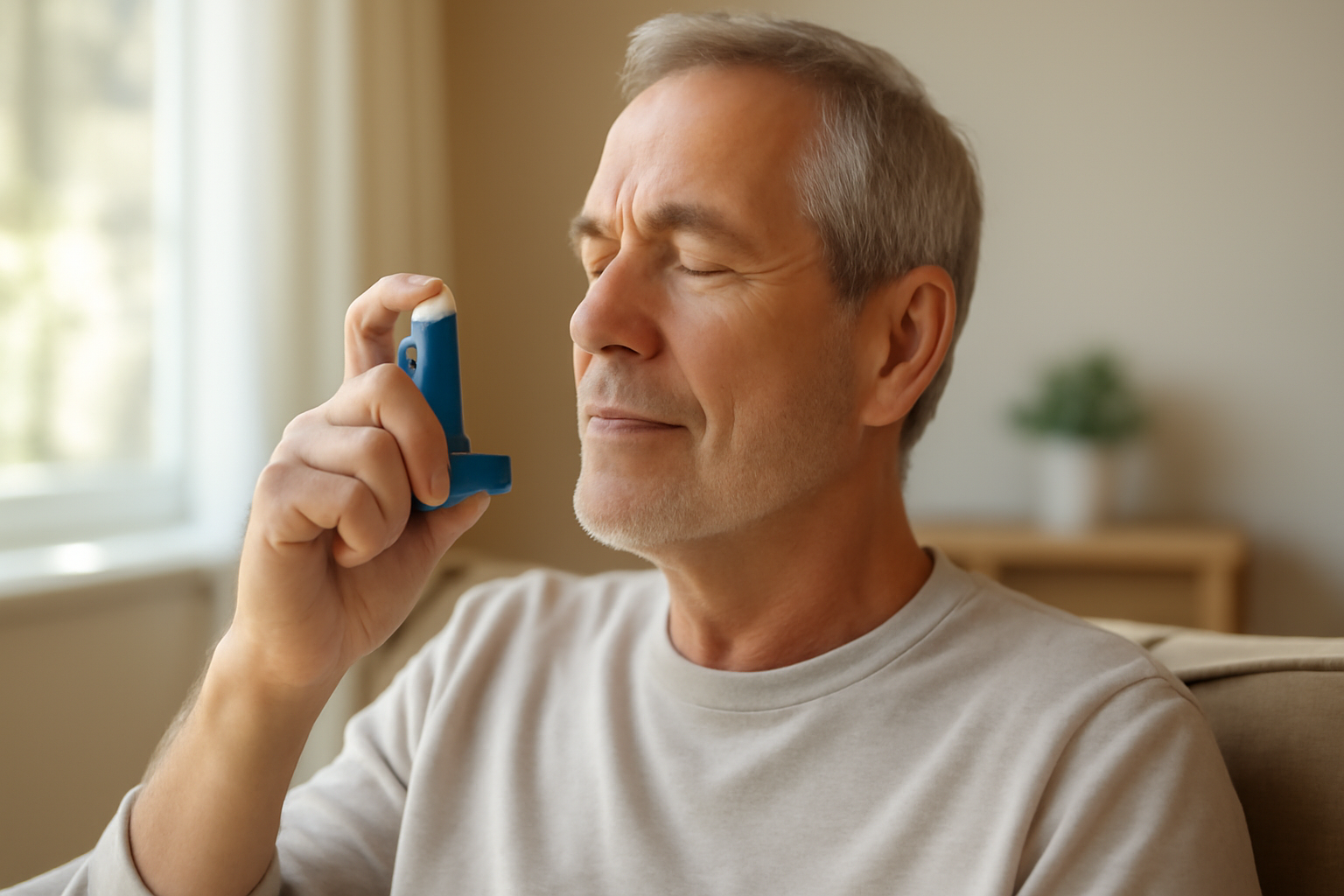
Bronchodilators are the cornerstone of COPD medical treatment. These inhaled medications relax the muscles around your airways, making it easier to breathe. They come in two main types:
- Short-acting bronchodilators (rescue inhalers): Used as needed for quick symptom relief
- Long-acting bronchodilators (maintenance inhalers): Taken daily to keep airways open consistently
Common medications include LABAs (long-acting beta-agonists) and LAMAs (long-acting muscarinic antagonists). Many physicians recommend combination inhalers that include both types for better control, according to Mayo Clinic guidelines.
3. Pulmonary Rehabilitation
Pulmonary rehabilitation (PR) is one of the most underutilized yet effective tools for COPD management. These structured programs combine supervised exercise training, breathing techniques, nutritional counseling, and education. A Cochrane Review analysis found that pulmonary rehabilitation significantly reduces breathlessness, improves exercise capacity, and enhances quality of life in people with moderate to severe COPD.
Programs are typically offered through hospitals, outpatient clinics, or even virtually. If you haven’t been referred, ask your doctor — it may be covered by your insurance.
4. Anti-Inflammatory Medications
For people with frequent exacerbations, inhaled corticosteroids (ICS) — sometimes combined with bronchodilators in a single inhaler — can help reduce airway inflammation. Oral corticosteroids are typically reserved for short-term use during acute flare-ups due to long-term side effect risks.
5. Oxygen Therapy
For people with advanced COPD and low blood oxygen levels, supplemental oxygen therapy is prescribed to maintain adequate oxygen saturation. Harvard Health Publishing notes that long-term oxygen therapy (used 15 or more hours per day) has been shown to improve survival in people with severe COPD and resting hypoxemia (low oxygen levels).
6. Lifestyle Strategies That Support Lung Health
- Stay active: Light to moderate exercise — even short walks — helps maintain muscle strength and reduces breathlessness over time. Always check with your doctor before starting a new exercise routine.
- Follow an anti-inflammatory eating pattern: A diet rich in fruits, vegetables, whole grains, and lean proteins supports overall respiratory health. Some research suggests that certain dietary patterns may help reduce systemic inflammation linked to COPD. You can explore this further in our article on the Anti-Inflammatory Diet: Simple Changes That Help Your Body.
- Stay vaccinated: The CDC strongly recommends annual flu vaccines and pneumococcal vaccines for all COPD patients, as respiratory infections are a primary trigger for dangerous exacerbations.
- Avoid triggers: Cold air, smoke, strong fumes, and air pollution can worsen symptoms. Monitor local air quality indexes and use air purifiers indoors when necessary.
- Hydration: Staying well-hydrated helps thin mucus secretions, making them easier to clear. For a practical look at hydration, see our guide on How Much Water Do You Really Need Each Day?
When to See a Doctor About COPD
Because COPD develops slowly and its early symptoms overlap with common conditions like allergies or aging, many people delay seeking care. But early diagnosis makes a meaningful difference in how the disease progresses.
See your doctor promptly if you experience:
- Shortness of breath that limits your daily activities
- A cough that has lasted more than three weeks
- Coughing up significant amounts of mucus, especially with blood
- More than two respiratory infections per year
- Wheezing that doesn’t go away on its own
Seek emergency care immediately if you notice:
- Severe shortness of breath that comes on suddenly
- Blue or gray color to your lips or fingernails
- Confusion or rapid heart rate during a breathing episode
- Symptoms that aren’t relieved by your rescue inhaler
What to tell your doctor: Be specific about when symptoms started, how they affect your daily life, your smoking history (including years and pack amount), and any occupational exposures. This context helps enormously with diagnosis.
Tests to ask about: The primary diagnostic test for COPD is a spirometry test — a simple, non-invasive breathing test that measures how much air you can exhale and how fast. The Cleveland Clinic recommends spirometry for all adults over 40 with a significant smoking history, even in the absence of symptoms. You may also be offered a chest X-ray, CT scan, or blood oxygen test.
It’s also worth noting that managing a chronic condition like COPD can take a real toll on your emotional health. Many people with COPD experience anxiety and depression, which in turn can make breathing feel worse. If you’re struggling with mood or sleep, consider discussing this with your healthcare provider — and check out our article on High Blood Pressure: What You Can Do to Manage It for more on managing interconnected chronic conditions.
Frequently Asked Questions About COPD
Can COPD be reversed or cured?
Currently, there is no cure for COPD, and the lung damage it causes cannot be fully reversed. However, with proper treatment, lifestyle changes, and smoking cessation, it is possible to significantly slow the disease’s progression and maintain a good quality of life for many years.
Can non-smokers get COPD?
Yes. While smoking is the leading cause of COPD in the US, non-smokers can develop the condition due to long-term exposure to secondhand smoke, air pollution, occupational dust and fumes, or the genetic condition alpha-1 antitrypsin deficiency. According to the NIH, roughly 25% of COPD patients have never smoked.
Is exercise safe for people with COPD?
In most cases, yes — and it’s highly recommended. Research indicates that regular, appropriately paced physical activity helps strengthen respiratory muscles, reduce breathlessness, and improve overall endurance. Pulmonary rehabilitation programs are specifically designed to help COPD patients exercise safely. Always consult your doctor before starting or changing your exercise routine.
How is COPD different from asthma?
Both conditions involve airflow obstruction and breathing difficulty, but they differ in important ways. Asthma is typically allergic or inflammatory in origin, often starts in childhood, and is largely reversible with treatment. COPD is primarily caused by long-term smoking or pollutant exposure, develops in adulthood, and involves permanent structural changes to the lungs. Some people have both conditions simultaneously — a situation called asthma-COPD overlap syndrome (ACOS).
Will I need to be on oxygen forever if I have COPD?
Not necessarily. Supplemental oxygen is prescribed only when blood oxygen levels fall below a certain threshold, typically in more advanced stages of the disease. Many people with mild to moderate COPD never require oxygen therapy. Your doctor will periodically assess your oxygen levels and adjust recommendations accordingly.
Key Takeaways: Managing COPD with Confidence
A COPD diagnosis can feel overwhelming, but it doesn’t have to define your life. Millions of Americans are living actively and well with this condition by making smart choices, staying engaged with their healthcare team, and taking advantage of the effective treatments available today.
The most important things you can do: stop smoking if you haven’t already, work with your doctor to find the right inhaler regimen, consider pulmonary rehabilitation, stay vaccinated, and pay attention to your triggers. Early action matters — the sooner COPD is diagnosed and managed, the better the long-term outcomes.
You deserve to breathe easier. And with the right support, that’s absolutely within reach.
This article is for informational and educational purposes only and does not constitute medical advice, diagnosis, or treatment. Always consult a qualified healthcare professional before making any health-related decisions or changing your treatment plan.
Reviewed by the Healthy Care Today Editorial Team — a group of health writers committed to evidence-based wellness content for everyday Americans.
Autor

negociosnanet001@gmail.com
Posts relacionados

Hypertension: What You Can Do to Lower Your Blood Pressure
- 0
- 2.096 words
Managing high blood pressure doesn’t have to feel overwhelming — here’s what the evidence says and what you can start doing today....

Type 2 Diabetes Management: What You Can Do Today
- 0
- 2.208 words
A practical, evidence-based guide to understanding and managing type 2 diabetes — so you can live well, feel better, and take real...

Living with Multiple Sclerosis: Symptoms and Management
- 0
- 2.136 words
Managing multiple sclerosis can feel overwhelming — but with the right strategies, many people live full, active lives for decades after diagnosis....

Living with Gout: Symptoms, Causes, and How to Manage It
- 0
- 2.186 words
Gout is one of the most painful forms of arthritis — but with the right approach, most people can prevent flares and...
Leia tudo
Living with Lupus: Symptoms, Causes, and How to Manage It
- 0
- 2.050 words
Lupus is one of the most misunderstood chronic conditions in America — but with the right approach, you can live well with...

Psoriatic Arthritis: Symptoms, Causes & How to Manage It
- 0
- 2.180 words
If you’re living with psoriatic arthritis, understanding your condition is the first step toward reclaiming your quality of life. When David, 47,...