- 0
- 2.240 words
Your digestive system is home to trillions of microorganisms — and the latest science shows that keeping them balanced may be one of the most powerful things you can do for your overall health.
When David, 48, started experiencing persistent bloating, low energy, and a foggy mind every afternoon, he assumed it was just middle age catching up with him. He tried cutting caffeine, sleeping more, and even switching jobs to reduce stress. Nothing helped — until his doctor suggested looking more closely at his gut health.
Within four months of making targeted dietary and lifestyle changes, David’s symptoms had largely resolved. His doctor wasn’t surprised. According to the National Institutes of Health, the gut microbiome — the vast community of bacteria, fungi, and other microorganisms living in your digestive tract — plays a critical role not just in digestion, but in immune function, mental health, metabolism, and even chronic disease risk.
In this guide, you’ll learn what gut health actually means, how to recognize when yours may be out of balance, and the evidence-based strategies that many physicians now recommend to support a healthier microbiome — starting today.
What Is Gut Health and Why Does It Matter?
Your gut microbiome is made up of an estimated 38 trillion microbial cells living primarily in your large intestine. According to research published through the NIH Human Microbiome Project, each person’s microbiome is as unique as a fingerprint — shaped by genetics, diet, medications, environment, and early-life exposures.
A healthy gut microbiome is characterized by high diversity — meaning a wide variety of different microbial species living together in balance. When that diversity drops, or when harmful bacteria begin to outnumber beneficial ones (a state researchers call dysbiosis), problems can emerge throughout the body.
The gut microbiome influences your health in several important ways:
- Digestion and nutrient absorption: Gut bacteria help break down fiber, produce short-chain fatty acids, and synthesize certain vitamins, including vitamin K and several B vitamins.
- Immune regulation: Approximately 70% of the body’s immune cells reside in the gut lining, according to research from Johns Hopkins Medicine. The microbiome helps train the immune system to distinguish between harmless substances and genuine threats.
- Brain-gut connection: The gut and brain communicate constantly through the vagus nerve and a network scientists call the "gut-brain axis." Harvard Health Publishing notes that around 90% of the body’s serotonin — a key mood-regulating neurotransmitter — is produced in the gut.
- Metabolic health: Studies suggest that microbiome composition is linked to blood sugar regulation, weight management, and inflammation levels — all major factors in chronic disease risk.
Given how central the microbiome is to so many body systems, supporting gut health is no longer considered a niche wellness trend. Many leading physicians and researchers now view it as a cornerstone of preventive care.
Signs Your Gut Health May Be Out of Balance
Gut imbalance doesn’t always announce itself with obvious digestive symptoms. According to the Cleveland Clinic, dysbiosis can manifest in subtle and sometimes surprising ways.
Here are common signs that your gut microbiome may need attention:
- Frequent bloating, gas, or abdominal discomfort — especially after meals
- Irregular bowel habits — constipation, diarrhea, or alternating between the two
- Persistent fatigue that doesn’t improve with rest
- Brain fog — difficulty concentrating, poor memory, or mental sluggishness
- Frequent colds or infections — a sign the immune system may be compromised
- Mood changes — increased anxiety, irritability, or low mood without a clear cause
- Skin issues such as eczema, acne, or unexplained rashes — some researchers link these to gut inflammation
- Food intolerances that seem to be getting worse or multiplying
- Unintended weight changes despite no major shifts in diet or activity
A 2023 analysis in the journal Cell Host & Microbe found that individuals with lower gut microbiome diversity reported significantly higher rates of fatigue, mood disturbance, and systemic inflammation markers compared to those with greater microbial diversity — even when controlling for age, BMI, and diet.
It’s worth noting that these symptoms overlap with many other conditions. If you’re experiencing several of them, speaking with a healthcare provider is the right first step rather than self-diagnosing.
What Disrupts the Gut Microbiome?
Understanding what harms the microbiome is just as important as knowing how to support it. Several common factors in modern American life can significantly reduce microbial diversity and promote dysbiosis.
Modifiable Risk Factors
- A low-fiber, ultra-processed diet: The CDC reports that fewer than 10% of American adults meet recommended daily fiber intake. Fiber is the primary fuel source for beneficial gut bacteria. Without it, microbial diversity drops quickly.
- Overuse of antibiotics: While sometimes medically necessary, antibiotics don’t distinguish between harmful and beneficial bacteria. Research from Stanford University suggests a single course of antibiotics can disrupt the microbiome for up to 12 months.
- Chronic stress: The brain-gut axis works both ways. Sustained psychological stress, as documented in studies reviewed by the American Psychological Association, alters gut motility, increases intestinal permeability, and shifts bacterial composition.
- Poor sleep: Irregular sleep patterns disrupt the circadian rhythm of gut bacteria, which have their own internal clocks. Research suggests even two nights of poor sleep can measurably alter microbiome composition. You can read more about how sleep quality affects your overall health in our article How Better Sleep Can Improve Your Mental Health.
- Sedentary behavior: Multiple studies indicate that regular physical activity is associated with higher microbial diversity, independent of diet.
- Alcohol consumption: Heavy or frequent drinking is linked to overgrowth of harmful bacteria and increased gut permeability, according to research cited by the NIH National Institute on Alcohol Abuse and Alcoholism.
Non-Modifiable Risk Factors
- Age: Gut microbial diversity naturally declines after age 60, which may contribute to increased inflammation and immune changes in older adults.
- Method of birth and early feeding: Research shows that individuals born via cesarean section or who were not breastfed may start life with lower microbial diversity, though the microbiome continues developing throughout childhood and beyond.
- Genetics: Certain genetic variants influence which microbial species thrive in a given individual’s gut.
Evidence-Based Ways to Support Your Gut Health
The good news is that your microbiome is remarkably responsive to change. Research consistently shows that targeted dietary and lifestyle shifts can meaningfully improve microbial diversity within weeks. Here are the strategies with the strongest evidence behind them.
1. Eat More Fiber — Especially Diverse Plant Foods
A landmark study from the American Gut Project, involving over 10,000 participants, found that people who ate 30 or more different plant foods per week had significantly more diverse gut microbiomes than those eating 10 or fewer. You don’t need to eat huge quantities — variety matters more than volume.
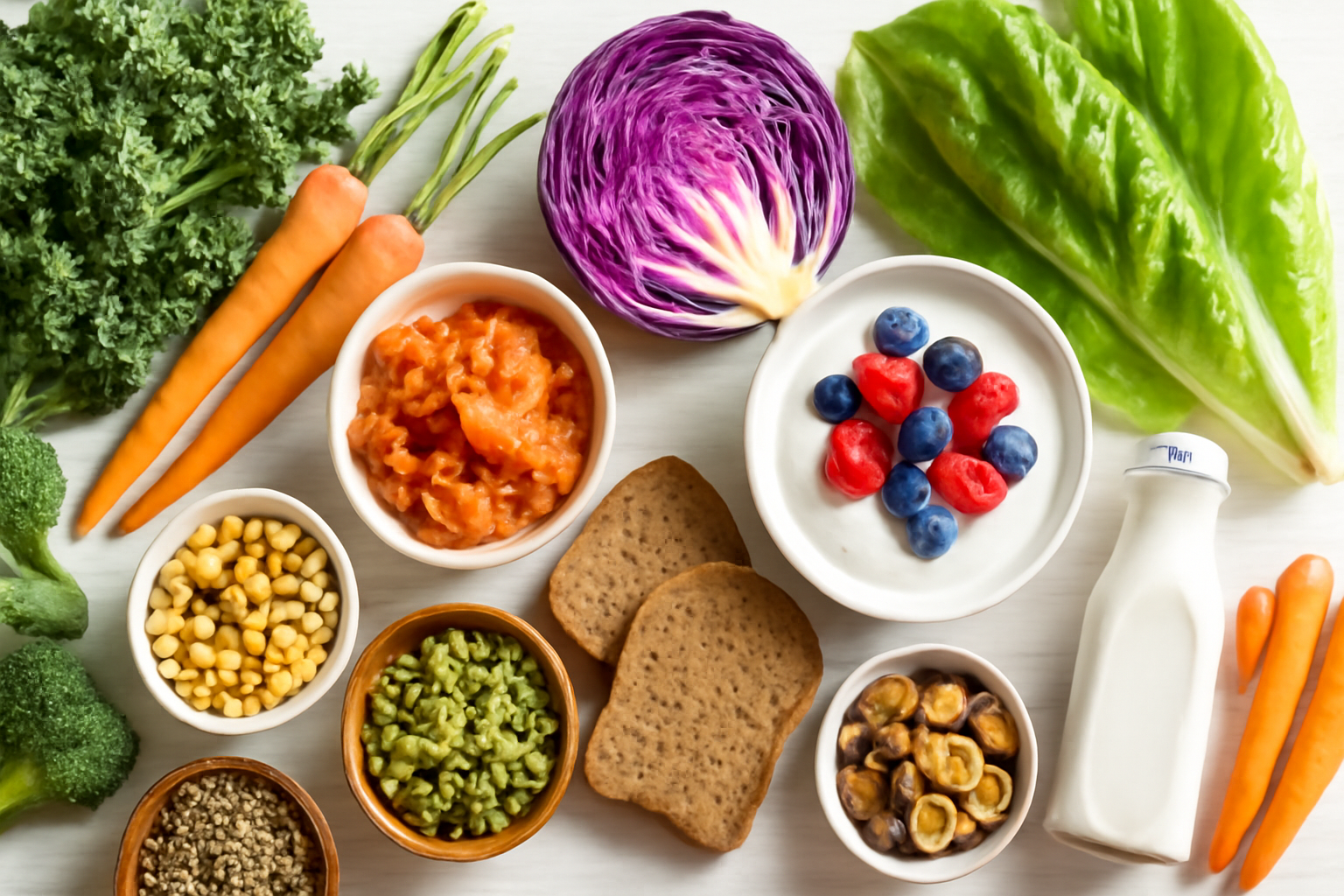
Focus on a wide range of fiber-rich foods: vegetables, fruits, legumes, whole grains, nuts, and seeds. Each type of plant fiber feeds different bacterial species, which is why diversity is key. Our guide to the Anti-Inflammatory Diet: Simple Changes That Help Your Body offers practical meal ideas that also happen to be excellent for microbiome diversity.
2. Include Fermented Foods Regularly
A 2021 randomized controlled trial from Stanford University, published in the journal Cell, found that a diet high in fermented foods — including yogurt, kefir, kimchi, sauerkraut, and kombucha — increased microbiome diversity and reduced markers of immune activation in healthy adults over a 10-week period.
Aim to include at least one serving of a fermented food daily. Look for products with live and active cultures, and choose options with minimal added sugar.
3. Consider a Quality Probiotic (When Appropriate)
Probiotics are live microorganisms that, when taken in adequate amounts, may confer a health benefit on the host — according to the World Health Organization’s definition. Mayo Clinic notes that probiotics have the most consistent evidence for supporting gut health after antibiotic use, managing irritable bowel syndrome symptoms, and reducing the duration of certain gastrointestinal infections.
Not all probiotics are created equal. Strains matter — look for well-studied strains such as Lactobacillus rhamnosus GG or Bifidobacterium longum, and consult your healthcare provider before starting any new supplement, particularly if you have an underlying health condition.
4. Manage Stress Consistently
Because of the gut-brain axis, chronic stress is a genuine threat to microbiome health. Research suggests that mind-body practices — including meditation, yoga, diaphragmatic breathing, and even regular time in nature — can reduce stress hormones like cortisol and positively influence gut bacteria composition over time.
You don’t need a dramatic lifestyle overhaul. Even 10 minutes of intentional stress reduction daily appears to have measurable physiological benefits, according to Harvard Health Publishing.
5. Prioritize Consistent, Quality Sleep
The relationship between sleep and gut health runs in both directions. Poor gut health can disrupt sleep (due to serotonin and melatonin production in the gut), and poor sleep disrupts the microbiome. Aiming for 7–9 hours of consistent sleep per night — going to bed and waking at the same time daily — supports both systems simultaneously. For evidence-based strategies to improve sleep quality, see our resource on CBT-I for Insomnia: The Drug-Free Sleep Solution.
6. Stay Well Hydrated
Water plays an important supporting role in gut health — it helps move fiber through the digestive tract and supports the mucosal lining of the intestines, where much of the microbiome resides. Research suggests that adequate daily hydration is associated with higher levels of beneficial Bacteroidetes bacteria.
7. Move Your Body Regularly
Multiple studies, including a review published in the journal Gut Microbes, have found that regular moderate-intensity exercise — such as brisk walking, cycling, or swimming for 30 minutes most days — is independently associated with greater microbial diversity. Exercise appears to increase production of short-chain fatty acids like butyrate, which support gut lining integrity.
When to See a Doctor About Gut Health
While lifestyle changes can make a meaningful difference for many people, certain symptoms require prompt medical evaluation. Don’t rely solely on dietary strategies if you’re experiencing any of the following.
Seek medical attention if you notice:
- Blood in your stool or black, tarry stools
- Unintentional weight loss of more than 5% of your body weight
- Severe or persistent abdominal pain
- Frequent vomiting or inability to keep food down
- Symptoms of anemia: extreme fatigue, pale skin, rapid heartbeat
- Jaundice (yellowing of the skin or eyes)
- Symptoms that significantly interfere with daily functioning
At your appointment, tell your doctor about all symptoms — even ones that seem unrelated to digestion, such as fatigue, skin changes, or mood shifts. Ask about whether a referral to a gastroenterologist is appropriate, and inquire about tests such as stool microbiome analysis, celiac disease screening, or colonoscopy if you are over 45 and haven’t had one recently. The American Cancer Society recommends colorectal cancer screening beginning at age 45 for average-risk adults.
Frequently Asked Questions About Gut Health
How long does it take to improve gut health?
Research suggests that dietary changes can begin shifting microbiome composition within 3 to 5 days, though more meaningful, lasting improvements typically take 4 to 8 weeks of consistent effort. Some aspects of the microbiome — particularly after antibiotic disruption — may take several months to fully recover.
Are gut health supplements worth taking?
Probiotic and prebiotic supplements can be helpful in specific contexts — particularly after antibiotic use or for managing IBS symptoms — but they are not a substitute for a fiber-rich, varied diet. Many experts, including those at the Cleveland Clinic, suggest that food-first approaches are preferable, and that supplements should be chosen based on specific, evidence-backed strains rather than marketing claims.
Can stress really affect my gut that much?
Yes — and the evidence is quite compelling. Chronic psychological stress has been shown to increase intestinal permeability (sometimes called "leaky gut"), alter gut motility, and reduce populations of beneficial bacteria. The American Psychological Association recognizes the bidirectional gut-brain relationship as a legitimate and clinically significant phenomenon.
Is a gut microbiome test worth doing?
Consumer microbiome testing kits have become widely available, but the clinical value of these tests is still limited. According to the NIH, the science of translating microbiome data into specific clinical recommendations is still evolving. If you have significant digestive symptoms, a doctor-ordered stool test through a clinical laboratory is more reliable and clinically meaningful than a consumer kit.
Does eating yogurt daily actually help?
It can — with caveats. Plain, unsweetened yogurt with live and active cultures does deliver beneficial bacteria and has been associated with modest improvements in digestive comfort and microbiome diversity in several studies. However, flavored yogurts with high sugar content may offset some of these benefits, since sugar can feed less desirable bacterial species.
Key Takeaways: Small Changes, Real Impact
Your gut microbiome is one of the most dynamic and influential systems in your body — and the latest science confirms that what you eat, how you sleep, how you manage stress, and how often you move all shape its composition in meaningful ways.
You don’t need to overhaul your entire lifestyle overnight. Start with one or two changes: add a daily serving of fermented food, gradually increase your plant food variety, or prioritize consistent sleep. Over weeks and months, these steps compound — and many people notice real improvements in energy, digestion, and even mood.
At the same time, remember that gut symptoms can sometimes signal more serious conditions. If your symptoms are severe, persistent, or include any of the red flags listed above, always consult a qualified healthcare professional before relying on lifestyle changes alone.
This article is for informational and educational purposes only and does not constitute medical advice, diagnosis, or treatment. Always consult a qualified healthcare professional before making any health-related decisions or changing your treatment plan.
Reviewed by the Healthy Care Today Editorial Team — a group of health writers committed to evidence-based wellness content for everyday Americans.
Autor

negociosnanet001@gmail.com
Posts relacionados

Healthy Morning Routines That Transform Your Day After 40
- 0
- 2.291 words
Small morning habits can have a powerful ripple effect on your energy, mood, and long-term health — here’s what the science says...

Social Health After 40: Habits That Boost Well-Being
- 0
- 2.103 words
Your social life isn’t just good for your mood — it may be one of the most powerful things you can do...

Healthy Weight Management: Daily Habits That Actually Work
- 0
- 2.046 words
Small, consistent daily habits — not extreme diets — are what research consistently shows leads to lasting, healthy weight management. When David,...

Healthy Skin After 40: Daily Habits for a Glowing Complexion
- 0
- 2.186 words
Your skin changes as you age — but with the right daily habits, you can keep it healthy, resilient, and genuinely glowing...

Natural Ways to Keep Blood Sugar Balanced Daily
- 0
- 2.359 words
Simple, evidence-based lifestyle habits that help you maintain healthy blood sugar levels — and why starting now matters more than you think....

Stay Active Without the Gym: Daily Movement for Healthy Aging
- 0
- 2.006 words
You don’t need a gym membership, expensive equipment, or an hour of free time to stay active — and science backs that...