- 0
- 1.943 word
If you’ve ever lain awake at night with a heavy mind — or slept for ten hours and still felt exhausted — you’re not alone, and there’s a real biological reason why depression and sleep problems go hand in hand.
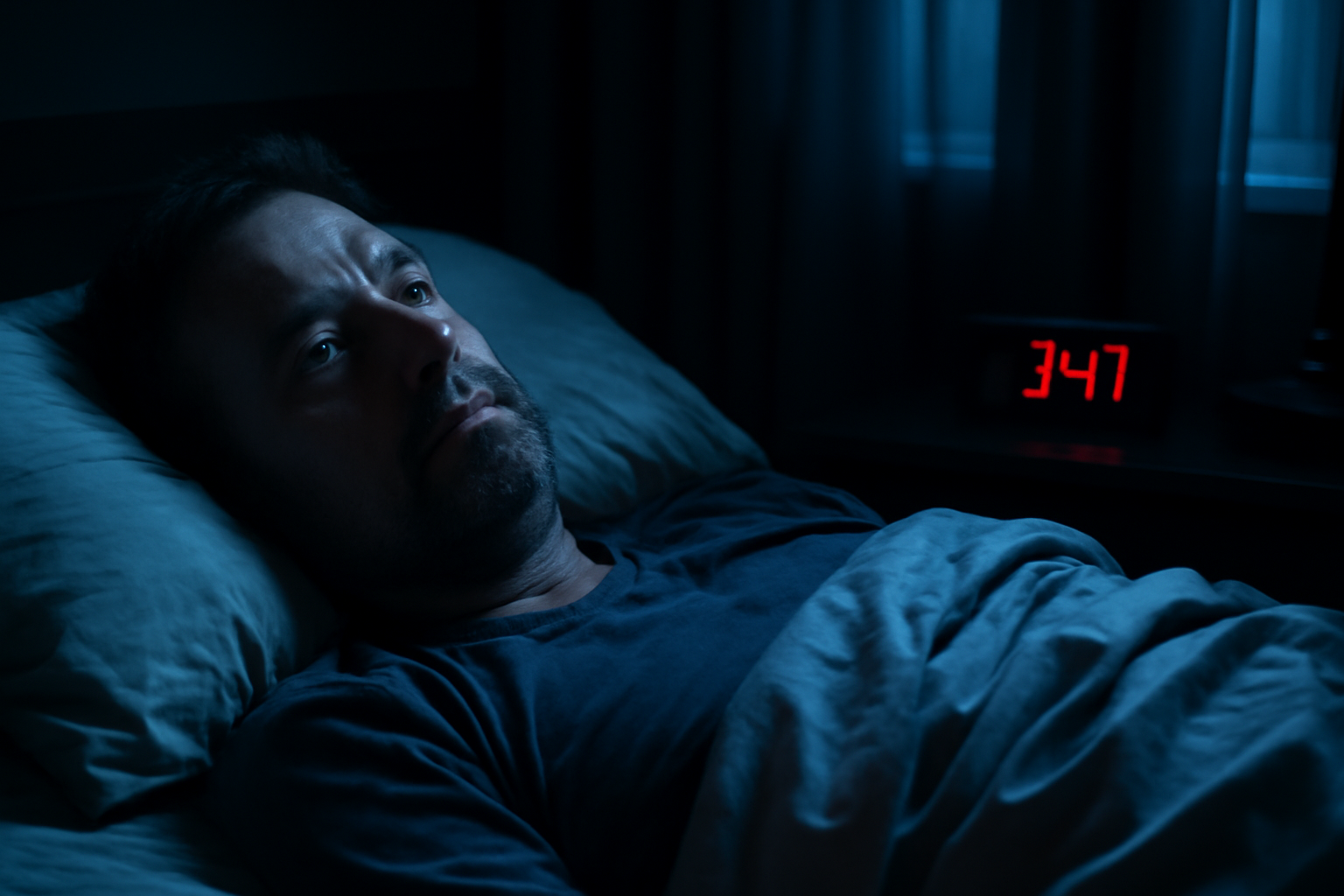
When James, 47, started waking up at 4 a.m. every morning unable to fall back asleep, he chalked it up to work stress. But after several weeks of exhaustion, emotional numbness, and a growing sense of hopelessness, his doctor identified something deeper: major depressive disorder. His sleep wasn’t just a symptom — it was both a warning sign and a driver of his depression.
According to the National Institute of Mental Health, more than 21 million American adults experience at least one major depressive episode each year. And research suggests that between 65% and 90% of people with depression report some form of sleep disturbance — whether that’s insomnia, oversleeping, or non-restorative sleep.
In this article, you’ll learn exactly how depression and sleep affect each other, what the science says about breaking the cycle, and what practical steps you can take — starting tonight.
What Is the Depression-Sleep Connection?
Depression is far more than persistent sadness. It’s a complex mood disorder that affects how your brain functions — including the systems that regulate your sleep-wake cycle.
Your body runs on a circadian rhythm, an internal 24-hour clock governed largely by the brain’s hypothalamus. This rhythm controls when you feel alert and when you feel sleepy. Depression disrupts this clock at a biological level, altering the production of melatonin, serotonin, and cortisol — three chemicals that are deeply tied to both mood and sleep regulation.
What makes this relationship especially difficult is that it runs in both directions. Depression impairs sleep, but poor sleep also worsens depression. According to the NIH, people with insomnia are ten times more likely to develop depression than those who sleep well. That’s not a coincidence — it’s a feedback loop.
The Mayo Clinic notes that this bidirectional link means treating only one side of the equation often isn’t enough. Addressing sleep as part of depression treatment — and vice versa — leads to significantly better outcomes.
How Depression Affects Your Sleep Patterns
Not all sleep problems caused by depression look the same. Understanding the specific patterns can help you recognize what’s happening in your own body.
Insomnia (most common):
- Difficulty falling asleep despite feeling exhausted
- Waking in the early morning hours (typically 3–5 a.m.) and being unable to return to sleep
- Lying awake with racing or ruminating thoughts
- Light, fragmented sleep that doesn’t feel restful
Hypersomnia (less common but significant):
- Sleeping 10 to 12 or more hours a night
- Excessive daytime sleepiness even after long sleep periods
- Using sleep as a way to escape emotional pain
- Difficulty getting out of bed in the morning
A study published in collaboration with Harvard Medical School found that disrupted REM (rapid eye movement) sleep is a particularly consistent feature of depression. REM sleep is when your brain processes emotions and consolidates memories — so when it’s disrupted, emotional regulation suffers significantly.
Many people with depression also experience reduced slow-wave sleep, the deep restorative phase responsible for physical recovery and cognitive repair. This explains why someone with depression can sleep for nine hours and still wake up feeling completely drained.
Causes and Risk Factors
Understanding why some people fall into this depression-sleep cycle can help you identify your own vulnerabilities — and take targeted action.
Non-modifiable risk factors:
- Genetics: Family history of depression or sleep disorders increases your risk. According to the NIH, genetic factors account for approximately 40–50% of the risk for major depression.
- Age: Adults between 40 and 60 face compounding factors including hormonal shifts, chronic illness, and life stressors that elevate both depression and sleep disruption risk.
- Gender: Women are roughly twice as likely as men to be diagnosed with depression, partly due to hormonal fluctuations associated with menopause and reproductive health changes.
Modifiable risk factors:
- Chronic stress: Elevated cortisol from ongoing stress suppresses melatonin and keeps the brain in a state of hyperarousal, making restful sleep nearly impossible. If you’re navigating long-term stress alongside poor sleep, our article on Chronic Stress and Sleep: How to Break the Cycle offers targeted strategies worth reading.
- Sedentary lifestyle: Physical inactivity is independently associated with both higher depression rates and poorer sleep quality, according to the CDC.
- Alcohol and substance use: While alcohol may help you fall asleep faster, it suppresses REM sleep and increases sleep fragmentation — worsening both sleep quality and mood the next day.
- Screen exposure at night: Blue light from devices suppresses melatonin production, delaying sleep onset and reducing overall sleep quality.
- Social isolation: Loneliness and lack of social connection are significant drivers of depressive episodes, particularly in adults over 50.
Evidence-Based Ways to Break the Cycle
There’s no single fix for the depression-sleep connection, but a combination of approaches has strong clinical evidence behind it. Here are the most effective strategies recommended by mental health and sleep medicine experts.
1. Cognitive Behavioral Therapy for Insomnia (CBT-I)
CBT-I is widely considered the gold-standard treatment for insomnia, including insomnia that co-occurs with depression. It works by targeting the thoughts and behaviors that perpetuate poor sleep — rather than just masking symptoms. The American College of Physicians recommends CBT-I as the first-line treatment for chronic insomnia in adults. For a detailed breakdown of how this approach works, see our guide on CBT-I for Insomnia: The Drug-Free Sleep Solution.
2. Antidepressant Medication (When Appropriate)
For moderate to severe depression, antidepressants — particularly SSRIs and SNRIs — can help restore healthy sleep architecture by rebalancing serotonin and norepinephrine. Some antidepressants, such as mirtazapine and trazodone, are also prescribed for their sedating effects. Important nuance: some SSRIs can initially worsen insomnia in the first few weeks of treatment, so close communication with your prescribing physician is essential.
3. Consistent Sleep Scheduling
Going to bed and waking at the same time every day — even on weekends — helps anchor your circadian rhythm. Research from Johns Hopkins Medicine suggests that irregular sleep timing can dysregulate the same neurological pathways affected by depression. Aim for 7–9 hours within a consistent window that matches your natural chronotype.
4. Physical Activity
Regular aerobic exercise has been shown in multiple meta-analyses to reduce depressive symptoms and improve sleep quality. A landmark study supported by the NIH found that 30 minutes of moderate aerobic exercise three to five times per week produced antidepressant effects comparable to some medications in adults with mild to moderate depression. Even a daily 20-minute walk can make a meaningful difference.
5. Light Therapy
Morning exposure to bright light — either through a 10,000-lux lightbox or outdoor sunlight — helps reset your circadian rhythm and boosts serotonin production. The American Psychiatric Association recognizes light therapy as an evidence-based option for seasonal and non-seasonal depression, especially when sleep timing is disrupted.
6. Sleep Hygiene Adjustments
While sleep hygiene alone rarely resolves clinical depression, it removes obstacles that make sleep harder. Key practices include keeping your bedroom cool and dark, avoiding caffeine after 2 p.m., limiting alcohol, and establishing a calming pre-sleep routine. These habits become especially powerful when combined with therapy or medication.
It’s worth noting that no single approach works for everyone. According to the Cleveland Clinic, individualized treatment plans — developed with a healthcare provider — consistently outperform self-directed strategies alone, particularly for moderate to severe cases.
When to See a Doctor
Many people wait too long to seek help for depression, often because symptoms feel shameful or because they hope things will improve on their own. But early intervention leads to significantly better outcomes. Here are clear indicators that it’s time to make an appointment.
Seek medical attention if you experience:
- Persistent low mood, hopelessness, or emptiness lasting more than two weeks
- Sleep problems (insomnia or oversleeping) that don’t improve with basic sleep hygiene changes
- Difficulty functioning at work, in relationships, or with daily tasks
- Loss of interest in activities you previously enjoyed
- Unexplained fatigue that persists even after adequate sleep
- Changes in appetite or significant weight fluctuation
Seek emergency care or call 988 (the Suicide and Crisis Lifeline) immediately if you experience:
- Thoughts of self-harm or suicide
- Feeling like a burden to others
- Giving away possessions or saying goodbye to people
What to tell your doctor: Be specific about your sleep patterns — when you fall asleep, when you wake up, how you feel in the morning, and how long this has been happening. Bring a brief sleep log if possible. Ask about sleep screening tools like the PHQ-9 (for depression) and the ISI (Insomnia Severity Index), which many primary care physicians use to guide diagnosis and treatment.
If you’re also managing other health conditions that may be affecting your energy or mood, our article on How Better Sleep Can Improve Your Mental Health may provide useful context to share with your provider.
Frequently Asked Questions
Can fixing my sleep help my depression go away?
Improving sleep can significantly reduce the severity of depressive symptoms, and research suggests it can even prevent recurrence. However, sleep improvements alone are unlikely to resolve clinical depression without addressing underlying mood disorders. Think of better sleep as an essential component of recovery — not a standalone cure.
Is it normal to sleep more when you’re depressed?
Yes. While insomnia gets more attention, hypersomnia — sleeping excessively — is also a recognized symptom of depression, particularly in younger adults and those with atypical depression. If you’re sleeping more than nine or ten hours regularly and still feel exhausted or emotionally flat, it’s worth discussing with a healthcare provider.
Do sleep medications help with depression?
Some medications prescribed for depression also help with sleep (such as trazodone or mirtazapine). Standard sleep aids like benzodiazepines or z-drugs are generally not recommended for long-term use alongside depression treatment, as they can impair REM sleep and carry dependency risks. Always consult your physician before starting or stopping any sleep medication.
How long does it take to see improvement in sleep when treating depression?
This varies widely. Some people notice sleep improvements within one to two weeks of starting antidepressant therapy or CBT-I. For others, it may take six to eight weeks. According to the Mayo Clinic, consistency with both treatment and sleep habits is the strongest predictor of sustained improvement.
Can diet affect both depression and sleep?
Research suggests yes. A diet rich in anti-inflammatory foods — including omega-3 fatty acids, leafy greens, and whole grains — has been associated with lower depression risk and better sleep quality. Ultra-processed foods and high sugar intake, on the other hand, are linked to increased inflammation, which may worsen both conditions.
Conclusion
Depression and sleep problems don’t exist in isolation — they feed each other in a cycle that can feel impossible to break from the inside. But the science is clear: with the right combination of professional support, behavioral strategies, and lifestyle changes, most people can significantly improve both their mood and their sleep.
You don’t have to accept exhaustion, emotional flatness, or sleepless nights as your new normal. Whether your entry point is therapy, medication, exercise, or simply establishing a consistent bedtime, every step forward matters. The key is not waiting until things feel unbearable — earlier action leads to better, faster results.
Take what you’ve learned here and bring it to a conversation with your doctor. You deserve to feel rested, emotionally balanced, and fully present in your life.
This article is for informational and educational purposes only and does not constitute medical advice, diagnosis, or treatment. Always consult a qualified healthcare professional before making any health-related decisions or changing your treatment plan.
Reviewed by the Healthy Care Today Editorial Team — a group of health writers committed to evidence-based wellness content for everyday Americans.
Autor

negociosnanet001@gmail.com
Posts relacionados

Anxiety and Sleep: Why Worry Keeps You Awake at Night
- 0
- 2.361 words
If racing thoughts and a pounding heart have ever kept you staring at the ceiling past midnight, you already know the exhausting...

Sleep and Grief: How Loss Disrupts Rest and How to Heal
- 0
- 2.579 words
Losing someone you love changes everything — including how you sleep. Here’s what grief does to your body at night, and what...
PTSD and Sleep: How Trauma Disrupts Rest and Recovery
- 0
- 2.231 words
Trauma doesn’t stay in the past — for millions of Americans, it follows them to bed every night, stealing the rest their...

Mindfulness for Sleep: How It Works and What to Try
- 0
- 2.171 words
A practical, evidence-based guide to using mindfulness to quiet your mind, reduce nighttime anxiety, and finally get the rest your body needs....

Sleep After 40: Why It Changes and How to Sleep Better
- 0
- 2.316 words
Sleep used to come easily — now it takes longer to fall asleep, you wake at 3 a.m. for no clear reason,...
Sleep and Emotional Regulation: How Rest Builds Resilience
- 0
- 2.045 words
Your ability to manage stress, stay calm under pressure, and bounce back from setbacks may have more to do with your sleep...